
Most people tend to think that a bad nights sleep will only leave you feeling sluggish …but in reality the effects of chronic sleep loss go far beyond just low energy levels – your mood gets shot, focus goes right out the window and your overall health starts to take a beating too. Many folks however just dont realize the massive impact that jaw alignment has on the quality of sleep they get. A jaw thats out of whack can end up leading to all sorts of chronic pain headaches, teeth grinding and even things like Temporomandibular Joint or TMJ disorders and in some cases even sleep apnea.
A lot of the time a qualified sleep apnea specialist Boca Raton who patients have learned to trust will take a close look at your jaw structure when they’re doing their evaluation. Once you start to understand the connection between jaw alignment and sleep quality you give yourself a chance to improve your sleep and get on the road to finding some more modern treatments that can really make a difference.
Table of Contents
How does Jaw Misalignment Disrupt Sleep?
Jaw alignment refers to how your upper and lower teeth meet when your mouth closes. But when the jaw is misaligned, there’s an extra stress on the temporomandibular joint, muscles, and surrounding tissues.
Unfortunately, this strain often leads to discomfort during the day and disrupted sleep at night.
Now here’s a fact to note: misaligned jaws are a common factor in TMJ disorders that cause jaw pain, stiffness, and popping or clicking sounds. You know what? They also contribute to a condition where breathing repeatedly stops during sleep. This is what is known as sleep apnea.
People with jaw misalignment often grind or clench their teeth at night. Most do not realize this habit has a name. It is called bruxism. Over time, it can trigger morning headaches, jaw soreness, and visibly worn teeth.
So how can you tell if your sleep problems are tied to jaw misalignment?
Let’s take a closer look.
Signs Your Sleep Issues May Be Jaw-Related
Figuring out whether jaw misalignment is disrupting your sleep is not always straightforward. And that’s because the symptoms can overlap with other conditions. Still, there are clear warning signs you should pay attention to.
Of course, you can watch for:
- Snoring or interrupted breathing during sleep
- Grinding or clenching your teeth at night
- Morning headaches or pain around the TMJ
- Stiffness or a popping sound when you open or close your mouth
- Ongoing daytime fatigue even after a full night’s sleep
You know what? If you notice several of these symptoms, your jaw alignment may be disrupting the quality of your rest. And that is not something to ignore. In other words, addressing the root cause is essential if you want to sleep better and protect your long-term health.
So the next logical question is simple. What can you actually do about it?
Modern Treatments That Improve Jaw Alignment
First, you must recognize that jaw misalignment is treatable. With the more precise and effective techniques we now have today, many patients see real improvement in both comfort and sleep quality.
However, the fact remains that there is no one-size-fits-all solution. More often than not, the right treatment depends on how severe the misalignment is and what symptoms you are experiencing.
Having said all that, here are the modern treatment options that can help a patient improve jaw alignment and restore better function:
1. Orthognathic Surgery
Orthognathic surgery repositions the upper and lower jaws into proper alignment. This treatment, also known as corrective jaw surgery, is typically recommended for severe cases where misalignment affects breathing, bite function, or facial balance.
Can orthognathic surgery significantly reduce TMJ pain, improve airflow during sleep, and restore proper jaw function? The answer is yes, provided that it is performed for the right reasons. Often, many patients who receive this treatment notice improvements in facial symmetry and overall comfort.
Similarly, some patients seeking dental implants Boca Raton often discover that correcting jaw alignment first can create a stronger foundation for implant placement. That said, the reality remains that proper alignment supports long-term stability, better bite mechanics, and improved oral health outcomes.
2. Dental Appliances
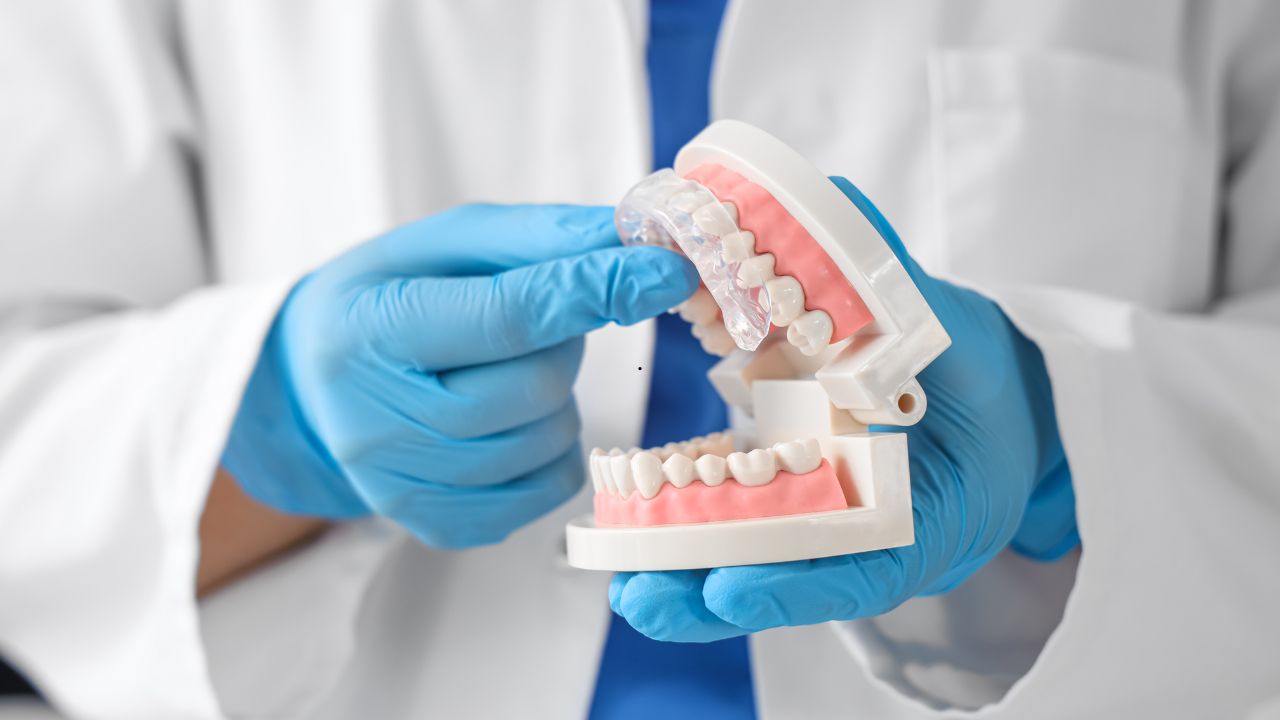
Custom dental appliances can gently reposition your jaw while you sleep. While most people don’t know, these devices are designed to keep your airway open, which ultimately can reduce snoring and limit nighttime teeth grinding.
Often, this is the first line of treatment for patients with mild to moderate jaw misalignment. Its advantages include the realities that it is noninvasive, comfortable for most people, and easy to incorporate into a nightly routine.
3. Therapy and Jaw Exercises
Physical therapy for the jaw strengthens muscles, improves mobility, and reduces discomfort. Undoubtedly, there are specific exercises that can retrain your jaw to function properly and ease tension that can disrupt sleep. However, many patients combine therapy with appliances or surgery for the best results.
4. Lifestyle and Sleep Habits
Many folks underestimate the power of small changes when, in reality, simple adjustments can support medical treatment. And yes, in some cases, they can ease symptoms on their own.
As per jaw alignment, one little change you can start with is your sleep position. This is so critical. For instance, lying on your back with proper neck support keeps your spine aligned and reduces strain on your jaw.
Another smart adjustment is cutting back on late-day caffeine, which can interfere with deep sleep and increase clenching. Beyond this, it’s important to stick to a consistent sleep schedule. This way, your body can settle into a healthy rhythm.
The bottom line is that these habits reduce the stress your jaw goes through and improve overall sleep quality.
That leads to an important question.
When Should You See a Specialist?
Early evaluation makes a real difference for any medical condition. And this is also true for jaw misalignment. This explains why addressing jaw issues early can prevent minor discomfort from turning into chronic pain or serious sleep disruption.
To that end, you should schedule a consultation with an oral and maxillofacial specialist if you’re experiencing one or more of these situations:
- Persistent jaw pain or stiffness
- Frequent morning headaches or migraines
- Loud snoring or signs of sleep apnea
- Difficulty chewing or opening your mouth fully
- TMJ symptoms that do not improve with basic care
When you involve a specialist, he or she can help you examine your jaw alignment, order imaging if necessary, and identify the root cause of your symptoms.
In short, once the root cause is confirmed, your specialist can recommend the most effective solution — especially if you are also exploring options like implant treatment for missing teeth. Of course, this could involve surgery, a custom dental appliance, physical therapy, or a combination of approaches.
So the point is that the sooner you get answers from an expert, the sooner you can start sleeping better and feeling better.
Interestingly, procedures such as Wisdom teeth removal or Tooth extraction in Boca Raton can also reveal jaw misalignment issues that benefit from corrective measures.
Final Thoughts
As you’ve learned, jaw alignment affects more than your bite. And that’s because it can directly impact your sleep quality and overall health. Most misaligned jaws can cause TMJ disorders, teeth grinding, sleep apnea, and chronic discomfort.
But the thing is, you can significantly improve sleep and reduce long-term complications by recognizing symptoms early and exploring modern treatments. As we’ve considered these treatments, they include orthognathic surgery, dental appliances, and therapy.
Above all, note that taking action early ensures better outcomes and a higher quality of life. For instance, if you experience jaw pain, sleep disturbances, or other related symptoms, you should consult a qualified oral and maxillofacial specialist to explore your options. This is critical because proper care can help you rest easier, wake up refreshed, and support lifelong oral health.