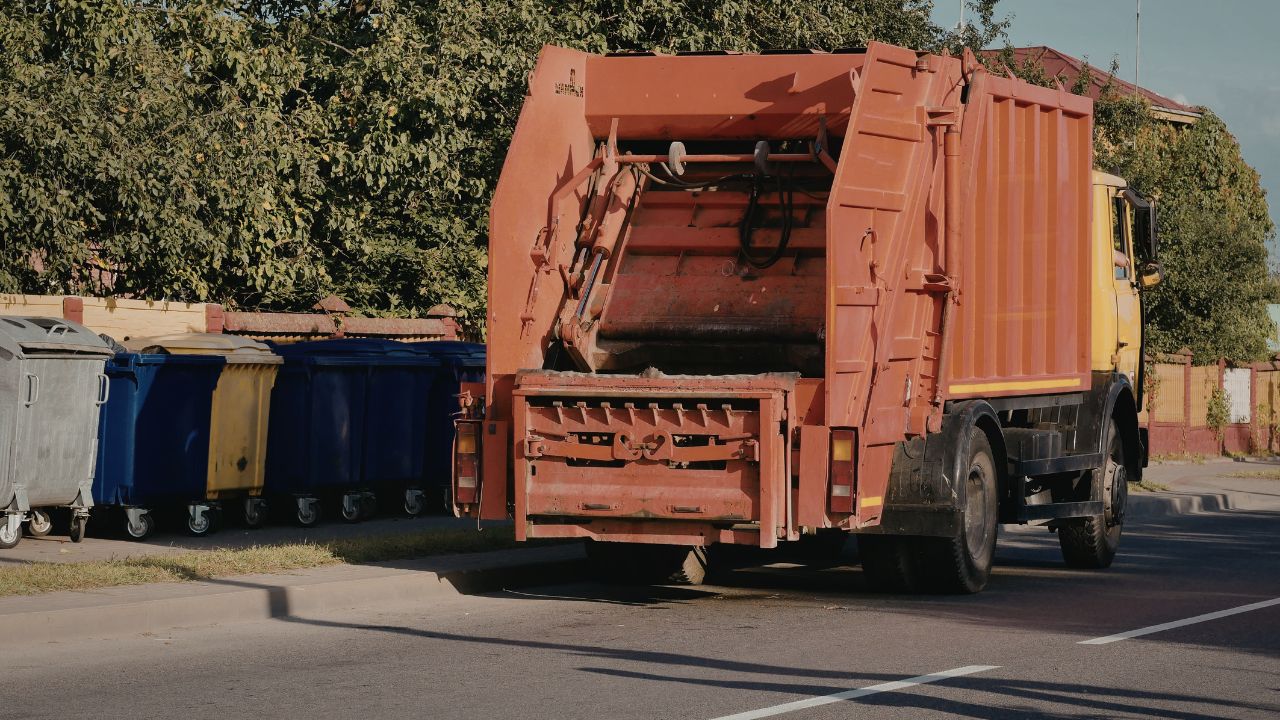

If you manage an active facility, you already know the truth about waste: it is not “just cleanup.” When scrap, packaging, demo debris, or maintenance waste stacks up, it competes with your operation for space, labor, and time. That is why industrial dumpster rental planning matters most before the container is full.
A swap-out is simple in theory. A hauler picks up a full roll-off container and drops an empty one. In reality, swap-outs can become the hidden reason a line slows down, a maintenance shutdown runs long, or forklifts start weaving around overflow piles. The good news is that most swap-out problems are predictable, and preventable, with a little planning.
Table of Contents
Why swap-outs cause bottlenecks
Most bottlenecks happen for one of four reasons:
- The container fills faster than expected: Volume estimates get thrown off by pallets, bulky packaging, purge events, or an unplanned cleanout.
- The container is blocked: Staging material, parked equipment, or temporary fencing prevents safe pickup or drop-off.
- Timing conflicts: Swap-outs are scheduled during shift change, truck traffic peaks, or when a dock lane is already congested.
- Weight surprises
Dense waste (wood, wet debris, metal-heavy loads) hits limits sooner, triggering earlier pickups and schedule chaos.
The goal: keep waste “in flow” like everything else
Think of your waste stream like a production input. Using data optimization can help you predict fill rates and avoid last-minute disruptions. Your target is not “avoid a full dumpster.” Your target is no downtime caused by waste handling.
A good swap-out plan answers three questions clearly:
- When will the container likely reach capacity?
- Where will the truck safely access it?
- What materials will go into it, and how fast?
A practical swap-out planning checklist
1) Set a trigger point, not a deadline
Instead of “pick up Friday,” use a trigger such as:
- “Call when we are at 70% full,” or
- “Swap when the load reaches X height below the rim.”
This gives you buffer time to schedule service before it becomes urgent. It also reduces the risk of overflow piles that create safety issues and extra handling.
2) Build a “clear zone” around the container
Swap-outs fail when drivers cannot safely approach, tilt, and load. Create a simple rule for your team:
- Keep the approach lane clear.
- Keep overhead clearance in mind (powerlines, door tracks, canopies).
- Avoid storing pallets, skids, or equipment in the swing area.
If you are in a tight yard, mark the clear zone with paint or cones so it is not “optional.”
3) Plan around traffic patterns
A 10-minute swap-out can become a 45-minute headache if it hits at the wrong time. Coordinate with:
- inbound material deliveries,
- outbound shipping windows,
- shift changes,
- maintenance windows.
Many facilities do best by scheduling swap-outs mid-morning or mid-afternoon, when yard congestion is lower. Your best window depends on your site rhythm.
4) Use the right container strategy for the waste type
Not all waste behaves the same way, so choosing the right container matters. Reviewing dumpster rental factors can help you match the container to your waste type and avoid inefficiencies. Consider these common patterns:
- Bulky packaging (cardboard, foam, plastics): fills by volume quickly. Swap-outs may be frequent unless you consolidate and break down.
- Dense scrap or demo debris: fills by weight quickly. You may need smaller loads, more frequent service, or better segregation.
- Wet material: rain and washdown water can add weight. If your waste sits exposed, your pickup frequency can spike unexpectedly.
Also remember: regulated waste requires specific handling. If there is any doubt, clarify acceptable materials with your provider in advance.
5) Document what “full” looks like
A surprising number of internal issues come from inconsistent loading habits. One shift loads neatly. Another tosses bulky items without breaking down. The result is inconsistent fill rate and unpredictable swap timing.
Create a one-page internal guide:
- break down boxes,
- load evenly,
- place heavier items first,
- keep the top edge clear.
This reduces air gaps and makes capacity more predictable.
6) Assign ownership and a backup
Swap-outs fail when “someone thought someone else called.” Assign:
- a primary contact (name, phone),
- a backup contact,
- a simple request method (call, email, portal).
If you use multiple containers or multiple waste streams, label containers clearly so requests are unambiguous.
Swap-out planning for shutdowns and purge events
Shutdowns, retrofits, and purge cleanouts create waste spikes that normal weekly service cannot absorb. For these events, plan:
- extra empty container(s) staged on-site if space allows,
- a defined swap cadence (for example, end of day swap),
- a staging area for bulky items that need breakdown before loading.
Treat the swap-out schedule like a subcontractor scope. If it is not planned, it will be improvised, and improvisation is where downtime is born.
A simple metric: “minutes lost to waste”
If you want to prove the value of better planning, track:
- forklift travel time to distant overflow piles,
- labor hours spent re-handling waste,
- minutes of downtime caused by blocked access or full containers.
Even a small reduction in re-handling can pay for more consistent service, because the most expensive waste cost is usually labor and disruption, not hauling.
Final takeaway
An industrial dumpster rental is only as effective as the swap-out plan behind it. When you set clear triggers, protect access, align service with site traffic, and standardize loading habits, you reduce downtime and keep your facility moving the way it should.

