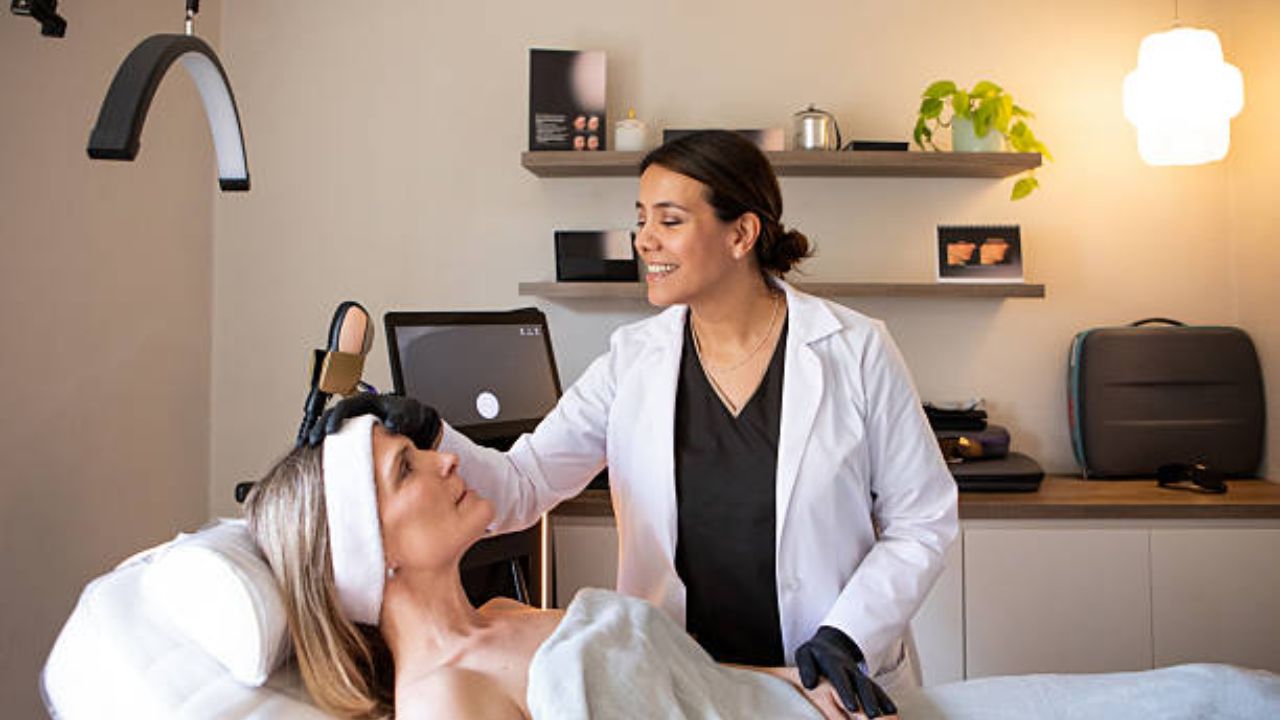
Hyperpigmentation is a common skin condition that causes dark spots and uneven skin tone, often due to sun exposure, acne scars, or hormonal changes. While these spots may not pose a health risk, they can make you feel self-conscious about your appearance. If you’re looking for quick solutions to address hyperpigmentation, there are several effective treatments available that can help you regain a clear, glowing complexion. Here’s what you need to know.
Table of Contents
Understanding Hyperpigmentation
Before diving into treatments, it’s important to understand what hyperpigmentation is and what causes it. Hyperpigmentation occurs when excess melanin, the pigment responsible for skin color, accumulates in certain areas of the skin. This can result in dark spots or patches that are more noticeable than the surrounding skin.
Common causes of hyperpigmentation include:
- Sun Exposure: Prolonged exposure to the sun stimulates melanin production, leading to sunspots or age spots.
- Post-Inflammatory Hyperpigmentation: This occurs after an injury or inflammation, such as acne or eczema, causes the skin to produce excess melanin during the healing process. This is especially common in people prone to dark skin discoloration, making early treatment essential.
- Hormonal Changes: Conditions like pregnancy or birth control can trigger melasma, a form of hyperpigmentation often seen in women.
Fast Treatments for Hyperpigmentation
While it’s important to approach hyperpigmentation with patience, there are ways to accelerate the process of clearing up dark spots and achieving an even skin tone.
1. Professional Skin Treatments
For those seeking fast and effective results, professional treatments offer the quickest way to reduce hyperpigmentation.
- Chemical Peels: A chemical peel involves applying a solution to the skin that exfoliates the outer layers, helping to fade dark spots and even out skin tone. Depending on the strength of the peel, it can help with both surface-level and deeper pigmentation issues. It’s important to consult with a professional to determine the right type of chemical peel for your skin type and concerns.
- Laser Treatments: Lasers like fractional CO2 and Q-switched lasers target and break down the pigmentation in the skin. These treatments can significantly reduce the appearance of dark spots and give you more even-toned skin. A consultation with a professional is necessary to determine the appropriate laser treatment for your needs.
- Microneedling with PRP: Microneedling with PRP: This treatment involves using tiny needles to create micro-injuries in the skin, which helps stimulate collagen production. Pairing it with the right collagen serum can further boost results. When combined with Platelet-Rich Plasma (PRP), this treatment can help to rejuvenate the skin and fade hyperpigmentation more effectively.
2. Topical Treatments for Fast Results
If you’re looking for at-home remedies that can help speed up the process, a combination of skincare products can help lighten dark spots and improve skin tone.
- Vitamin C: Known for its brightening properties, Vitamin C helps reduce melanin production and fade hyperpigmentation. Look for serums that contain stabilized Vitamin C (ascorbic acid) for the best results. Regular use can give you brighter and more even skin over time.
- Retinoids: Retinoids, including retinol, promote skin cell turnover and help fade dark spots caused by acne or sun exposure. These are best used at night, as they can make your skin more sensitive to sunlight. Be patient with retinoids, as they take time to show visible results, but they can be highly effective when used consistently.
- Niacinamide: Niacinamide, or Vitamin B3, is an ingredient that inhibits melanin production, helping to lighten dark spots. It’s also an excellent choice for those with sensitive skin, as it’s generally well-tolerated by most skin types. Niacinamide can be found in a variety of serums, creams, and masks.
- Alpha Hydroxy Acids (AHAs): AHAs like glycolic acid and lactic acid exfoliate the skin and help remove dead skin cells, promoting the fading of dark spots. Using an AHA product can reveal brighter skin over time. Be sure to wear sunscreen daily, as AHAs can make your skin more vulnerable to UV damage.
3. Sun Protection
One of the most important steps in preventing and treating hyperpigmentation is protecting your skin from further sun exposure. The sun’s UV rays stimulate melanin production, worsening dark spots and making them more noticeable.
- Use Broad-Spectrum SPF: Daily application of a broad-spectrum sunscreen with at least SPF 30 is essential to prevent further pigmentation. Look for sunscreens that contain zinc oxide or titanium dioxide for the most effective physical protection.
- Avoid Sun Exposure During Peak Hours: If possible, try to stay out of the sun between 10 a.m. and 4 p.m., when UV rays are the most intense. If you must be outdoors, wear protective clothing, such as hats or long sleeves, and seek shade whenever possible.
4. At-Home Remedies
While professional treatments and over-the-counter products are usually more effective, some natural remedies can help lighten hyperpigmentation, though they take longer to show results.
- Aloe Vera: Aloe vera contains aloin, which has been shown to reduce the appearance of dark spots. Applying aloe vera gel directly to the skin after sun exposure can also soothe and heal the skin.
- Green Tea Extract: Rich in antioxidants, green tea extract has been shown to help reduce melanin production. Applying cooled green tea bags to the affected areas can provide a soothing and lightening effect.
5. Consistency Is Key
When dealing with hyperpigmentation, consistency is crucial. Whether you opt for professional treatments or over-the-counter products, stick with your skincare routine and be patient. It can take several weeks or even months to see noticeable results, so don’t get discouraged if your dark spots don’t fade overnight.
Conclusion
Hyperpigmentation is a common skin concern, but with the right approach, it’s possible to achieve a more even skin tone and reduce dark spots. Whether you choose professional treatments or topical skincare, consistency and sun protection are essential for success. If you’re looking for personalized advice or treatments tailored to your skin type, consider visiting a reputable skincare provider. A professional can recommend the best options for your specific concerns, helping you achieve faster and more effective results.
For more information on how to treat hyperpigmentation, check out the services offered at Parie Medical Spa, where you can receive expert care and customized treatment plans to target your specific skin needs.