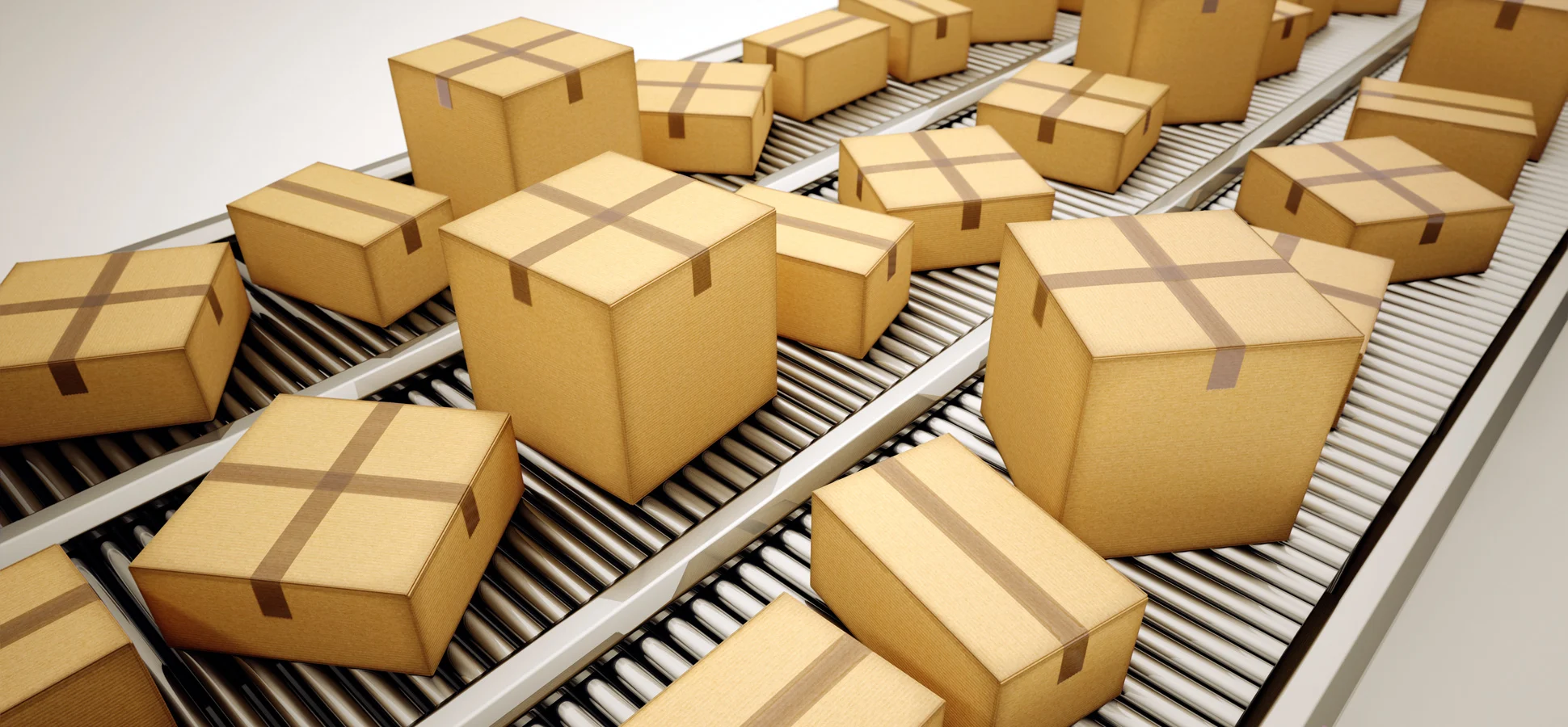

In modern manufacturing, ensuring product quality and minimizing errors are critical for maintaining brand reputation and operational efficiency. Packaging plays a vital role in this process, serving both as protection for the product and as a communication medium for consumers. Any defects in packaging can lead to product damage, regulatory non-compliance, or customer dissatisfaction. Therefore, implementing a comprehensive packaging inspection process is essential for manufacturers aiming to deliver high-quality products consistently.
For businesses seeking to maintain stringent quality standards, Packaging Inspection provides a systematic approach to verifying the integrity, accuracy, and consistency of packaging. Advanced inspection systems are designed to detect issues such as misaligned labels, improper sealing, damaged containers, or missing components, ensuring that only products meeting quality standards reach the market.
Table of Contents
Key Functions of Packaging Inspection
Packaging inspection encompasses multiple functions that collectively enhance product quality and reduce production errors. Understanding these functions is crucial for implementing an effective inspection strategy.
1. Verification of Packaging Integrity
One of the primary roles of packaging inspection is to ensure that containers, boxes, and seals are intact and properly assembled. Damaged or improperly sealed packages can compromise product safety and shelf life. Automated inspection systems use high-resolution cameras, sensors, and other technologies to detect cracks, leaks, or other defects in packaging materials, allowing manufacturers to address issues immediately.
2. Label Accuracy and Placement
Packaging often includes critical information such as product names, ingredients, batch numbers, and barcodes. Errors in labeling can lead to regulatory violations, consumer confusion, or logistical problems. Packaging inspection systems verify that labels are correctly printed, positioned, and legible. By detecting misaligned or missing labels, manufacturers can correct errors before products leave the production line.
3. Detection of Production Defects
Packaging inspection is essential for identifying a wide range of production defects that can occur during the manufacturing process. These defects may include incorrect box dimensions, improper sealing, contamination, or damaged containers. Automated systems monitor production in real-time, allowing immediate correction of errors and preventing defective products from reaching consumers.
4. Compliance with Industry Standards
Various industries, such as food, pharmaceuticals, and cosmetics, are subject to strict packaging regulations. Packaging inspection ensures that products meet regulatory requirements, including proper labeling, packaging integrity, and safety standards. This reduces the risk of legal penalties, recalls, and reputational damage.
5. Real-Time Monitoring for High-Speed Production
Modern manufacturing facilities operate at high speeds, making manual inspection impractical. Automated packaging inspection systems can monitor products in real-time, even on fast-moving production lines. This ensures that quality control is maintained without slowing down operations, allowing manufacturers to achieve high throughput while maintaining accuracy.
6. Cost Reduction
Packaging defects can be costly, resulting in wasted materials, rework, or product recalls. Implementing automated packaging inspection reduces these risks by catching errors early in the production process. This not only saves money but also improves operational efficiency, ensuring that resources are used effectively.
Benefits of Packaging Inspection
Investing in packaging inspection offers several advantages for manufacturers:
- Improved Product Quality: Ensures all packaging meets standards for integrity, labeling, and appearance.
- Reduced Production Errors: Detects defects and misprints before products reach the market.
- Regulatory Compliance: Helps meet industry standards and legal requirements.
- Operational Efficiency: Supports high-speed production without sacrificing quality.
- Cost Savings: Minimizes waste, rework, and the risk of recalls.
- Enhanced Brand Reputation: Maintains consumer trust through consistent and reliable packaging.
Conclusion
Packaging inspection is a crucial component of quality control in modern manufacturing. By ensuring packaging integrity, label accuracy, and compliance with regulatory standards, it helps manufacturers reduce production errors, maintain efficiency, and deliver high-quality products. Advanced inspection systems enable real-time monitoring of high-speed production lines, allowing businesses to detect and correct defects promptly. For companies looking to enhance operational efficiency, protect brand reputation, and ensure customer satisfaction, investing in a reliable packaging inspection solution is essential.

