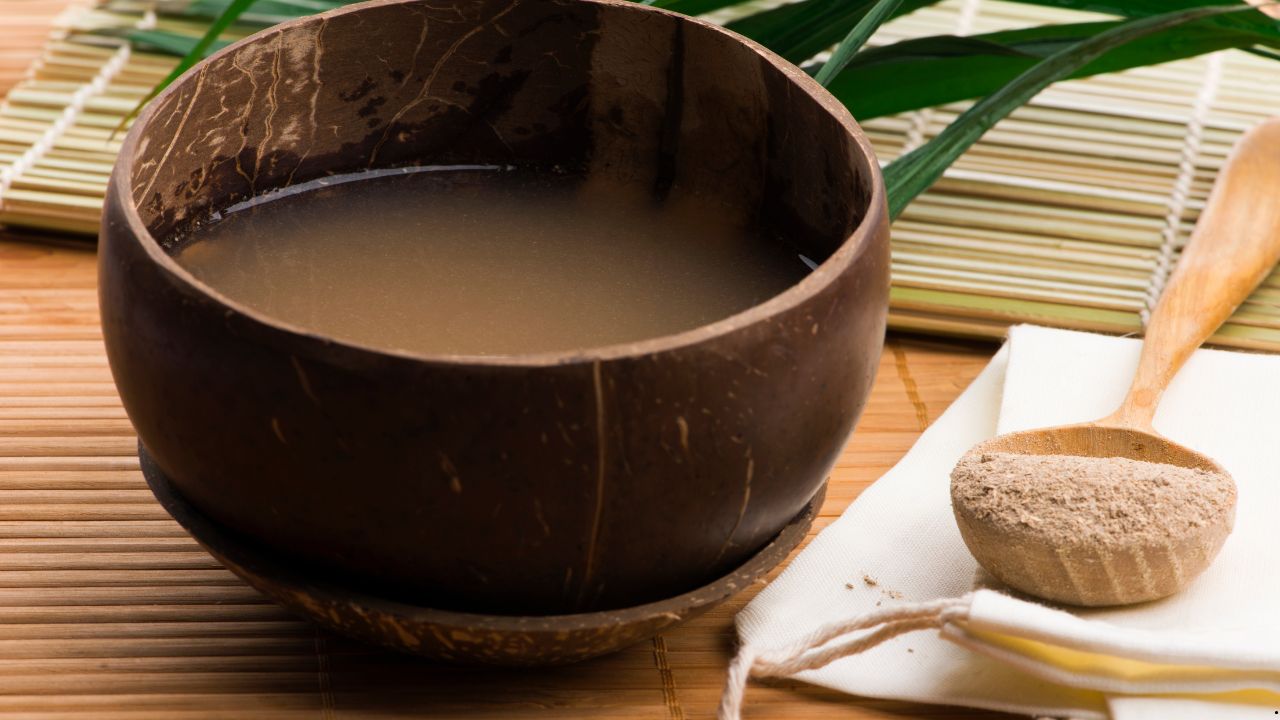
Kava has traveled a long way—from sacred Pacific island ceremonies to modern wellness bars in major U.S. cities. Known scientifically as Piper methysticum, kava is a root-based beverage traditionally used for relaxation, social bonding, and spiritual connection. Its history spans more than 3,000 years and reflects deep cultural meaning, colonial disruption, scientific scrutiny, and modern revival.
Below is a structured look at how kava evolved from an ancient ritual drink into a globally recognized botanical product.
Table of Contents
Origins in the South Pacific
Kava’s story begins in the islands of the South Pacific—particularly in regions now known as Vanuatu, Fiji, Tonga, and Samoa.
Archaeological and linguistic evidence suggests that kava cultivation dates back over 3,000 years. The plant is believed to have been domesticated in Vanuatu and spread through migration and trade across Melanesia and Polynesia.
Unlike many psychoactive plants that evolved in multiple regions, kava is a sterile cultivar—it does not reproduce naturally through seeds. Instead, it must be propagated through cuttings. This indicates intentional cultivation by early Pacific islanders, underscoring its cultural importance.
Sacred and Social Roles
In traditional Pacific societies, kava was far more than a beverage. It functioned as:
- A ceremonial sacrament
- A political mediator
- A conflict-resolution tool
- A rite-of-passage symbol
- A means of spiritual communication
In Fiji and Tonga, kava ceremonies formalized social hierarchies. Chiefs were served first, and the preparation and presentation followed strict protocols. The carved wooden bowl—known as a tanoa—became a symbol of unity and authority.
In Vanuatu, kava drinking evolved into both ceremonial and daily communal practice, with “nakamals” (kava houses) serving as social gathering places.
The drink produces calming, mildly euphoric effects without impairing mental clarity in traditional use. Islanders valued it for promoting peaceful discussion and collective bonding. To learn more about kava across the Pacific and its regional varieties, explore how traditions and flavors differ across islands.
First Western Encounters
European awareness of kava began in the 18th century during Pacific exploration. One of the earliest written accounts came from James Cook and his crew, who observed kava ceremonies in Tonga in 1777.
Sailors described the drink as muddy-looking and mildly sedating. Missionaries, however, often disapproved of kava use, viewing it as pagan or intoxicating. In some regions, Christian influence reduced ceremonial use, while in others, it simply adapted to new social norms.
Despite early documentation, kava remained largely unknown in Europe and North America for more than a century.
Scientific Study in the 19th and 20th Centuries
By the late 1800s and early 1900s, Western botanists and pharmacologists began studying kava’s chemical properties. Researchers identified active compounds known as kavalactones, which are responsible for its calming effects.
In the mid-20th century, German scientists conducted clinical trials examining kava’s potential as an anxiolytic (anti-anxiety agent). Results suggested that kava reduced nervous tension without impairing cognitive function—a significant distinction from alcohol or benzodiazepines.
By the 1990s, standardized kava extracts were being sold in Europe as natural remedies for anxiety and stress.
The Early 2000s Controversy
Kava’s rise in Western supplement markets was interrupted in the early 2000s when reports linked certain kava products to liver toxicity.
Countries including Germany, Canada, and the United Kingdom temporarily restricted or banned kava sales. The U.S. FDA issued warnings but stopped short of a full ban.
Subsequent investigations revealed several complicating factors:
- Some cases involved improper extraction methods (using stems and leaves rather than traditional root)
- Certain products used acetone or ethanol extracts rather than water extraction
- Pre-existing liver conditions and medication interactions were often present
Over time, many regulatory bodies revised their positions, distinguishing between traditional water-based kava preparations and improperly manufactured extracts.
Cultural Resilience in the Pacific
While Western markets debated safety, kava remained central to life in the Pacific.
In Vanuatu, kava is considered a national treasure and economic driver. The country exports significant quantities of kava root while maintaining traditional consumption practices domestically.
Pacific island governments actively defended kava’s reputation during international regulatory reviews, emphasizing thousands of years of safe traditional use.
The Modern Kava Renaissance
In the 2010s and 2020s, kava experienced a resurgence—especially in the United States. “Kava bars” began appearing in cities like Miami, Los Angeles, and Austin, offering alcohol-free social spaces centered around relaxation and community.
Today, kava is marketed as a natural way to reduce stress naturally and support overall wellness. It is known as:
- A natural stress-relief option
- An alcohol alternative
- A social relaxation beverage
- A wellness supplement
The modern consumer landscape includes micronized kava powders, instant preparations, tinctures, and traditional ground root.
However, purists and Pacific cultural advocates often stress the importance of:
- Noble kava varieties
- Traditional water extraction
- Respect for cultural origins
Cultural Significance Today
For many Pacific islanders, kava is not simply a supplement or drink—it remains a living tradition tied to ancestry, land, and identity.
Ceremonial protocols continue in villages across Fiji, Tonga, and Samoa. In Vanuatu, nakamals remain community centers where issues are discussed and relationships strengthened.
As global interest grows, conversations increasingly focus on cultural respect, fair trade sourcing, and protecting indigenous knowledge.
Conclusion
The history of kava reflects a journey shaped by migration, ceremony, colonization, scientific inquiry, controversy, and revival.
From its domestication in ancient Pacific societies to its place in modern wellness culture, kava has remained remarkably resilient. It continues to bridge worlds—traditional and modern, sacred and social, indigenous and global.
Understanding kava’s history provides context beyond its calming effects. It reminds us that many botanical traditions carry deep cultural roots—and that honoring those origins is as important as appreciating the plant itself.