
Key Takeaways
- Adopting a balanced diet rich in essential nutrients supports hair health.
- Regular scalp massages can improve blood circulation to hair follicles.
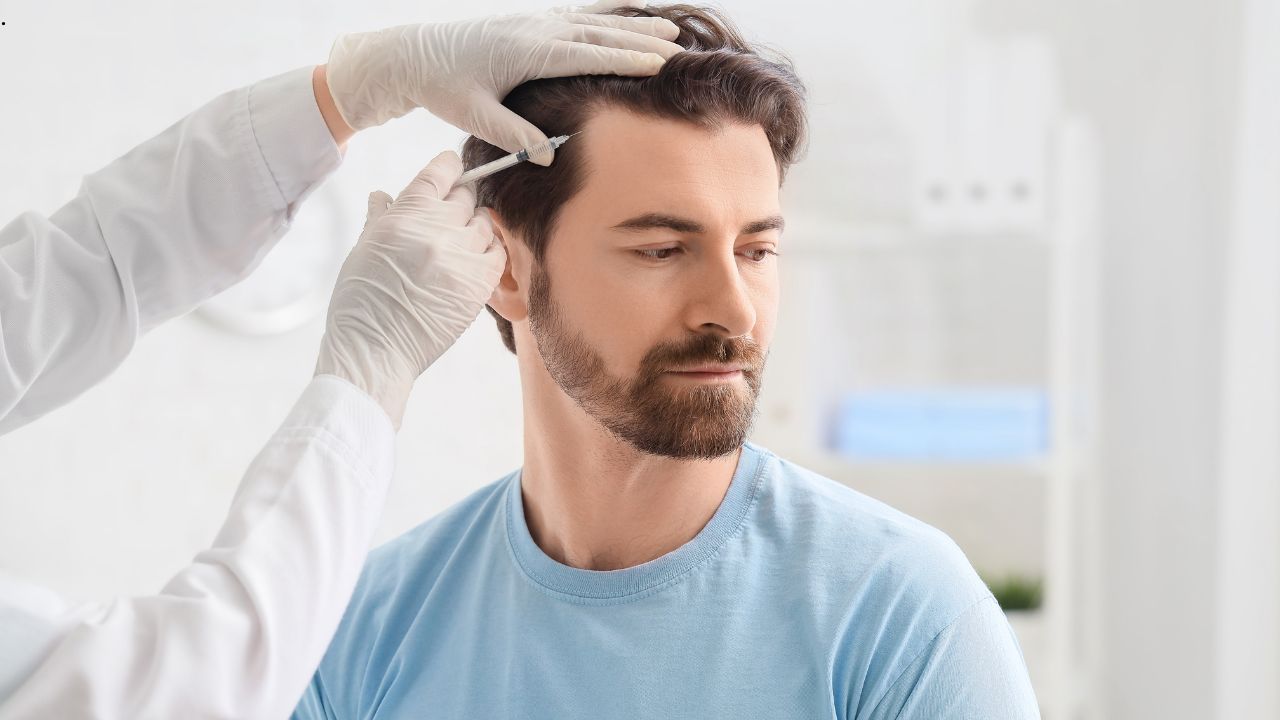
- Over-the-counter treatments such as minoxidil may aid hair regrowth.
- Natural oils such as rosemary and peppermint can nourish the scalp.
- Reducing stress and avoiding harsh hair treatments are beneficial for hair health.
For many men, maintaining a healthy, full head of hair is a top priority. While genetics is a major factor in male hair health, adopting practical strategies can significantly influence hair thickness, texture, and longevity. Simple lifestyle changes, thoughtful grooming, and the use of beneficial products may all play a role. One valuable addition is exploring a hair growth supplement for men as part of a broader approach to preserving and enhancing hair health.
It is important to understand that supporting healthy hair growth requires a combination of proper nutrition, scalp care, and attention to daily habits. Certain over-the-counter treatments and natural ingredients have also been shown to provide measurable benefits for hair retention and regrowth. By incorporating a range of supportive tactics, men can foster healthier hair and greater confidence.
Promoting hair health goes beyond applying topical solutions. Your lifestyle choices, from stress management to dietary decisions, are crucial factors that contribute to hair’s longevity and strength. Understanding these influences and addressing them through holistic strategies is key to sustainable results. Consistency, patience, and an informed approach can together create the best environment for hair growth and retention.
Making informed choices about hair care routines and the products you use can have long-lasting effects. Instead of harsh chemicals or aggressive styling, men seeking lasting results should consider adopting a routine built on gentleness and nourishment. Additional science-backed approaches, such as certain supplements and natural oils, have gained favor among dermatologists and users alike.
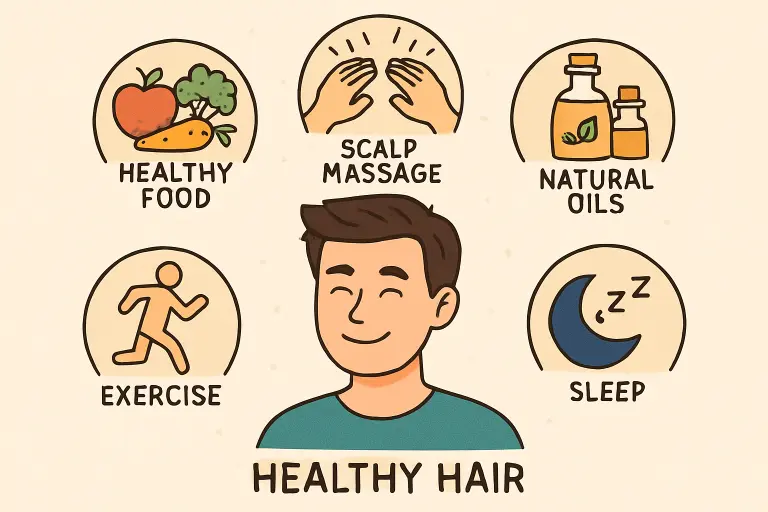
Table of Contents
Adopt a Balanced Diet
Nutrition forms the foundation of healthy hair growth. Eating a variety of foods ensures your hair follicles receive the nutrients necessary for robust function. Prioritize lean protein sources, like poultry, fish, and legumes, which are vital for hair structure. Leafy green vegetables, nuts, seeds, and fruits like oranges and strawberries provide vitamins and antioxidants, particularly vitamin C, which supports collagen production and iron absorption. Fish rich in omega-3 fatty acids, such as salmon, also support hair strength and shine. Understanding the connection between nutrition and hair is crucial, as deficiencies can directly result in thinning or increased shedding.
Incorporate Scalp Massage
Scalp massage is one of the easiest and most relaxing ways to promote hair growth. This practice helps stimulate scalp blood vessels, bringing more nutrients and oxygen to hair follicles. Enhanced circulation may encourage dormant follicles to return to an active growth phase. Massaging your scalp daily with your fingertips or with an applicator brush takes only a few minutes but can have visible effects over time. Several studies highlight that regular, sustained scalp massage can increase hair thickness in people experiencing hair thinning. Incorporate this technique into your daily shower or bedtime routine for best results.
Consider Minoxidil Treatments
Minoxidil, widely available over the counter and FDA-approved, is a proven solution for men affected by hormones that cause hair loss and genetic thinning. Applied directly to the scalp, minoxidil relaxes blood vessels, allowing more oxygen, blood, and nutrients to reach the follicles. When used consistently twice daily, it can extend the hair growth phase and slow thinning. As with any medication, it is essential to follow the application instructions and be mindful of possible side effects. Consulting with a healthcare provider can help determine whether this treatment is suitable for your specific needs and hair loss stage.
Utilize Natural Oils
Adding natural oils like rosemary, peppermint, or tea tree to your hair care routine can help improve scalp health. These oils are valued for their anti-inflammatory, antimicrobial, and circulation-boosting properties. For instance, rosemary oil has been the subject of clinical studies and has demonstrated similar effects to minoxidil when used over several months. Peppermint oil may promote hair growth by stimulating hair follicles and improving blood supply. To use, add a few drops to a carrier oil and massage it into your scalp regularly.
Manage Stress Levels
Chronic or unmanaged stress is one of the key reasons for hair loss in men and is often overlooked. Stress can push hair follicles into a resting phase, during which new hair growth stops for a period of time. Techniques such as mindfulness meditation, deep breathing, regular physical activity, and hobbies can significantly reduce stress levels. Making mental health a consistent priority can keep your hair in an active growth cycle for longer.
Avoid Harsh Hair Treatments
Frequent use of chemical dyes, bleach, perms, or high-heat tools can prevent achieving smooth and shiny hair by damaging the hair shaft and causing dryness and breakage. Try to minimize chemical processing, opt for gentle sulfate-free shampoos, and let hair air-dry whenever possible. Pat hair gently with a towel rather than rubbing, and avoid tying hair back tightly, which can stress the hair shaft and follicle.
Engage in Regular Exercise
Exercise plays a surprisingly direct role in supporting healthy hair by increasing overall blood flow, including circulation to the scalp. Activities such as brisk walking, running, cycling, and yoga can reduce stress hormones linked to hair shedding and stimulate hair follicles by increasing nutrient delivery. Regular physical activity supports not only hair but also overall wellness and quality of life.
Ensure Adequate Sleep
Sleep is a time of intense cellular repair and regeneration, including in hair follicles. Insufficient or poor-quality sleep can interrupt hormone production and recovery processes, both of which are critical for robust hair growth. Aim for at least seven to nine hours per night, following a consistent schedule and practicing good sleep hygiene, such as limiting screen time before bed and keeping your sleep environment cool and dark.
Committing to daily habits that nurture your scalp and hair can help stave off premature thinning and boost your overall appearance. Patience, regular evaluation, and small adjustments to your routine may result in visible improvements over time. Building a strategy that is grounded in nutrition, scalp stimulation, and gentle care is key to maintaining healthy hair growth in men.