Key Takeaways
- Use native and drought-resistant plants to minimize water requirements and upkeep.
- Upgrade to smart irrigation systems to optimize water use efficiently.
- Apply organic soil management with compost and mulch to enrich soil health.
- Source sustainable, recycled materials for hardscaping projects.
- Promote local biodiversity by creating habitats for pollinators and wildlife.
Designing a picturesque outdoor space does not have to compromise the environment. With thoughtful choices and sustainable practices, you can craft a landscape that is both visually stunning and easy on the earth. Homeowners seeking to balance beauty and responsibility can start by integrating small changes that make a big impact, such as installing native plants, managing soil organically, and making water-conscious decisions. For projects like walkway installation, considering sustainable materials will further enhance your landscape’s eco-friendly credentials. Eco-friendly landscaping goes beyond simply reducing chemicals or water waste; it is about fostering a thriving, resilient environment right in your own yard. By taking steps to encourage biodiversity and adopt sustainable practices, you can transform your garden into a long-lasting, low-maintenance oasis that benefits the local ecosystem. These landscaping choices not only save resources but also ensure a rich and lively habitat for years to come.
Creating a greener yard is easier when you follow proven strategies or explore the landscaping benefits that professionals use to design efficient and attractive outdoor spaces. Whether you have a sprawling lawn or a modest patch of green, adopting eco-friendly practices can yield a breathtaking garden that supports birds, pollinators, and your greater community. From climate-appropriate plantings to smart irrigation technologies, each decision moves your yard towards a more sustainable future. Another benefit of eco-conscious landscaping is the potential for long-term cost savings. Planting low-water, maintenance-friendly species, incorporating mulches, and upgrading to efficient irrigation systems can lead to lower water and energy bills while minimizing your environmental footprint. Plus, these practices typically require less labor and fewer costly inputs.
Table of Contents
Choosing Native and Drought-Tolerant Plants
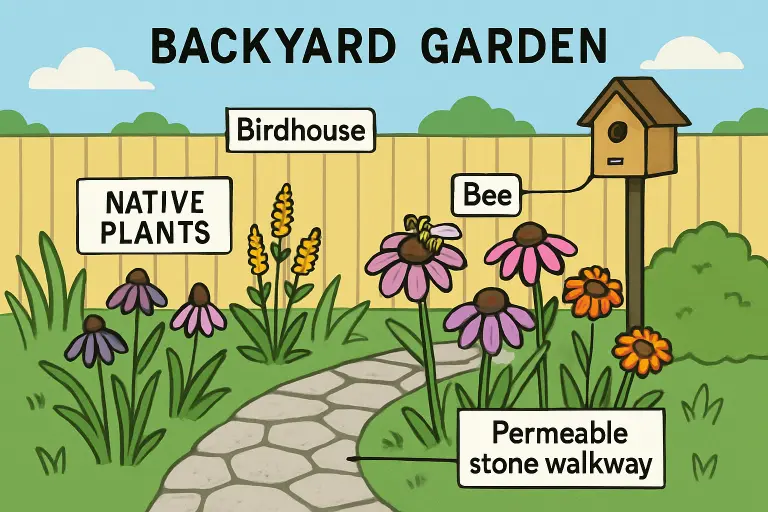
Native plants form the cornerstone of eco-friendly landscaping, since they are perfectly adapted to your region’s climate and soil. They require considerably less water, fertilizer, and maintenance than exotic species, making them ideal for a sustainable yard. Plants like coneflowers, butterfly weed, or native grasses attract a diverse array of pollinators and birds, further strengthening your garden’s ecosystem. Selecting drought-tolerant species is especially important in areas with water restrictions or variable rainfall. This approach limits resource consumption and significantly reduces maintenance workloads, letting your landscape flourish with less intervention.
Implementing Smart Irrigation Systems
Traditional irrigation systems can waste huge amounts of water, but newer technologies offer dramatic efficiency improvements. Smart irrigation controllers use real-time weather data and soil moisture information to deliver water only when your plants genuinely need it. Drip systems or soaker hoses further improve water efficiency by targeting root zones rather than spraying broad areas, reducing evaporation losses. Even simple changes, like watering in the early morning or late evening to minimize evaporation, help conserve this precious resource. According to the U.S. Environmental Protection Agency, water-efficient irrigation can save the average household thousands of gallons per year.
Practicing Organic Soil Management
Healthy soil fosters strong, resilient plant growth and supports vibrant ecosystems. Organic soil management focuses on building and maintaining soil fertility naturally, avoiding the harmful effects of synthetic chemicals. Adding compost, aged manure, or organic mulch replenishes nutrients, improves soil structure, and helps retain moisture. These organic amendments foster beneficial soil microbes and earthworms, which break down organic matter and aerate the soil. Composting kitchen scraps and yard clippings keeps organic waste out of landfills and supports a more sustainable waste management approach while enriching garden soil.
Utilizing Sustainable Hardscaping Materials
Hardscape features like patios, walkways, and retaining walls lay the groundwork for an inviting and functional outdoor space. For a planet-friendly approach, prioritize materials with a smaller environmental impact, such as permeable pavers, reclaimed brick, or salvaged wood. These options reduce runoff by allowing rainwater to filter through, supporting healthy groundwater recharge, and prevent unnecessary waste. Additionally, using recycled or locally sourced materials cuts back on the transportation and production emissions often associated with traditional landscaping materials. These choices meld sustainability with a timeless, appealing aesthetic.
Supporting Local Ecosystems
Building an eco-friendly yard means thinking beyond plants to the creatures who call your space home. Providing habitat for local pollinators through bee-friendly flowers, installing birdhouses, or even leaving a small brush pile can attract beneficial wildlife. Replace unused lawn areas with meadow plantings, wildflowers, or native shrubs to create layers of shelter and food for diverse species. Reducing or eliminating pesticide use ensures these animals thrive safely. Inviting beneficial insects like ladybugs and lacewings helps control pests naturally, promoting a balanced ecosystem in your own backyard.
Conclusion
Eco-friendly landscaping unites thoughtful design, sustainability, and natural beauty. By choosing native and drought-tolerant plants, implementing water-saving irrigation, applying organic soil management, opting for reclaimed hardscaping materials, and fostering local wildlife, you create a yard that gives back. These smart, sustainable choices will help your property remain vibrant, welcoming, and aligned with environmental stewardship for years to come.