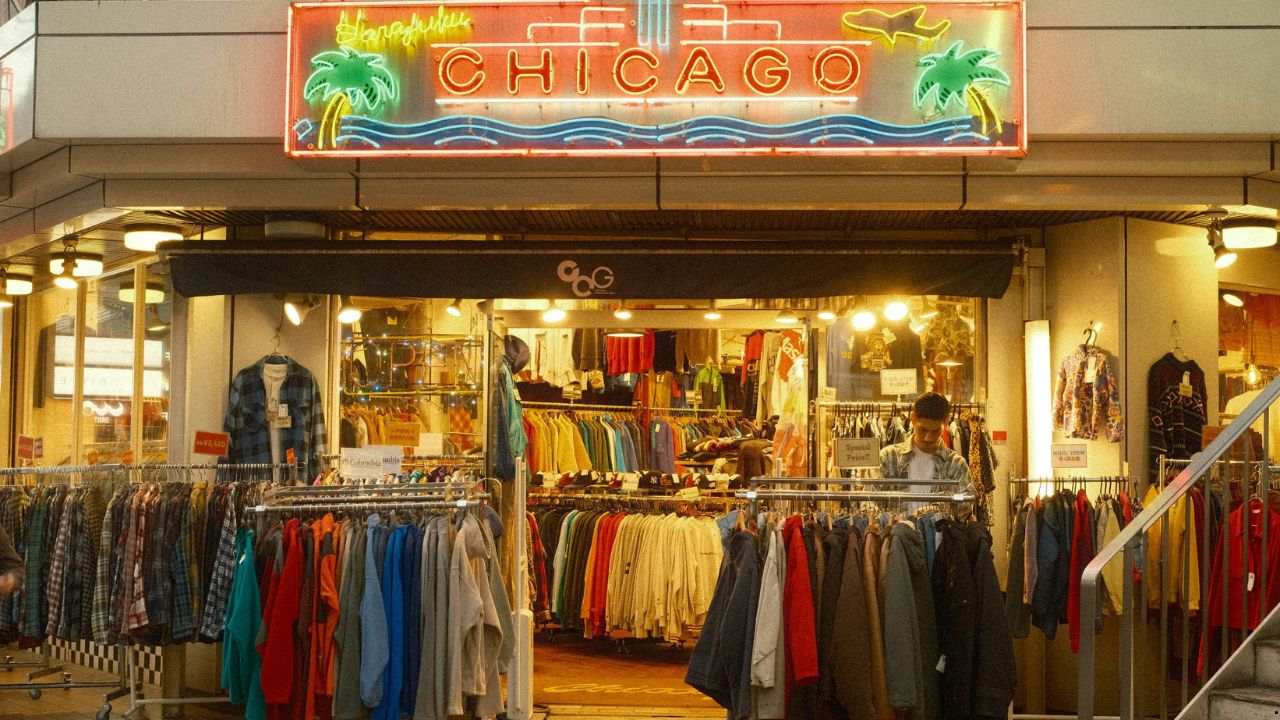

Your sign is the first thing people notice about your business. Before they walk through the door, check your website, or read a single review, they see your sign. And in most cases, they decide in a few seconds whether your business looks worth their time.
That makes choosing the right sign one of the most important branding decisions you’ll make. Get it right, and you’ve got a 24/7 salesperson working the street. Get it wrong, and you blend into the background or worse, look cheap.
Table of Contents
Why Your Business Sign Matters More Than You Think
Nearly 76% of consumers have entered a store they’d never visited before based purely on its signage. That’s not a marketing stat you can ignore. Your sign is doing real work for you every single day.
A good business sign does three things at once. It tells people who you are, signals what kind of business you run, and sets the tone for what they can expect inside. A law firm with bold, clean channel letters on a dark facade communicates something very different from a taco shop with a bright backlit cabinet sign, and both of those are exactly right for their audience.
The wrong sign doesn’t just look off — it can actively cost you customers. From visibility to installation, every detail matters when designing your storefront. If you’re planning an upgrade, learn more about getting shop fronts installed and how it impacts your overall business image.
Types of Storefront Signs (And When to Use Each One)
There’s no one size fits all answer here. The right sign depends on where your business is located, what the building looks like, how far away your customers are when they first spot you, and what impression you want to leave. Let’s break down the main options.
1. Channel Letters
Channel letters are individually cut 3D letters mounted directly on your building’s facade. They’re the most popular choice for storefronts, restaurants, retail shops, and offices, and for good reason. They look professional, they’re highly visible from a distance, and they work day and night when lit with LEDs.
There are three main styles:
Front lit channel letters: The face of each letter is translucent and glows at night. This is the classic look you see on most storefronts.
Back lit (halo lit) channel letters: Light shines behind each letter, creating a soft glow or halo effect on the wall. Looks premium. Common for hotels, medical offices, and upscale restaurants.
Open face (exposed neon) channel letters feature visible neon or LED tubes — a look inspired by classic neon signs that never go out of style. They’re popular for bars, vintage shops, and businesses going for a retro vibe.
Best for: Strip mall storefronts and shopping centers, restaurants and retail shops, medical and professional offices, and any business that needs to be visible from a road or parking lot.
If you’re on a busy street in Houston and need drivers to spot your business quickly, channel letters are almost always the right call. They’re readable from a distance and they look sharp whether your building is brick, stucco, or glass. See examples of channel letters we’ve built in Houston
2. Cabinet Signs (Lightbox Signs)
Cabinet signs are rectangular box signs with a translucent face that lights up from the inside. Think of the classic convenience store or gas station sign, that’s a cabinet sign. They display your logo, name, and sometimes a tagline all in one big illuminated panel.
Best for: Businesses with colorful or detailed logos that need full graphic display, budget friendly option that still delivers night visibility, franchise locations that need to match brand standards, gas stations, laundromats, convenience stores, and quick service restaurants.
The trade off? Cabinet signs can look a bit generic if not designed well. But with the right graphics, custom shape, and quality fabrication, they can look just as sharp as any other sign type. The key is working with a sign company that doesn’t just slap your logo on a rectangle and call it a day.
3. Monument Signs
Monument signs are freestanding, ground level signs usually built near the entrance of a property or along the street. They sit close to the ground (unlike pole signs) and often feature brick, stone, or masonry bases with illuminated panels or dimensional letters on top.
Best for: Office parks, medical complexes, and corporate campuses. Churches, schools, and community buildings. Shopping centers and multi tenant buildings. Any business that wants to make a strong first impression at the property entrance.
Monument signs are a long term investment. They communicate permanence, stability, and professionalism. If your business owns the property (or has a long term lease) and you want people to find your entrance easily, a monument sign is hard to beat.
4. Pylon Signs (Pole Signs)
Pylon signs are tall, freestanding signs mounted on one or two poles. You see them along highways and busy roads, usually for hotels, gas stations, and shopping plazas. They’re designed to be visible from far away, which makes them ideal for businesses that rely on drive by traffic.
Best for: Businesses along highways or high speed roads, multi tenant shopping centers, hotels, gas stations, and fast food restaurants, any business that needs visibility from 500+ feet away.
If drivers are moving at 50+ mph past your location, a storefront sign alone won’t cut it. A pylon sign gives you that height advantage. Just keep in mind that many Houston neighborhoods have height restrictions on signage, so you’ll need to check local codes before going this route.
5. Vehicle Wraps
This one isn’t technically a storefront sign but if your business uses trucks, vans, or service vehicles, wraps are one of the smartest moves you can make. A single vehicle wrap generates between 30,000 and 70,000 impressions per day depending on your route. That’s advertising that works while you’re just driving to the job site.
Best for: Home service businesses (HVAC, plumbing, electrical, pest control), delivery services and food trucks, real estate agents, landscapers, and contractors, any business with a fleet that’s already on the road daily.
The ROI on wraps is insane when you think about it. You pay once, and you get years of daily exposure across every neighborhood your vehicles drive through.
6. Blade Signs (Projecting Signs)
Blade signs stick out perpendicular from the building, making them visible to pedestrians walking along the sidewalk. They’re common in downtown areas, walkable neighborhoods, and mixed use developments.
Best for: Downtown and pedestrian heavy locations, cafes, boutiques, salons, and bars, upper floor businesses in multi story buildings.
7. Interior Signs (Lobby & Wayfinding)
Don’t overlook what’s inside. Lobby signs, reception wall graphics, directional signage, and branded wall displays all reinforce your professionalism once someone walks through the door. These aren’t just decorations, they’re part of the customer experience.
Best for: Corporate offices, law firms, and medical practices. Gyms, salons, and wellness centers. Any business where the lobby or waiting area is part of the brand.
How to Pick the Right Sign for Your Business (5 Questions to Ask Yourself)
Knowing the sign types is one thing. Knowing which one is right for you is another. Here are the five questions that matter most.
Question 1: Where are your customers coming from?
If most of your customers drive to your location, you need visibility from the road. That means channel letters (minimum) or a pylon sign if you’re set back from the street. If your customers are walking by, like in a downtown shopping district, a blade sign and window graphics might be more effective. Think about the literal path your customer takes to get to you, and make sure your sign is visible along that path.
Question 2: What does your building look like?
Your sign has to work with the building, not fight it. A modern glass storefront looks great with clean halo lit channel letters. A brick building might pair better with a dimensional sign or a monument sign at the entrance. If you’re in a strip mall, your options may be limited by the landlord’s sign criteria, most require channel letters of a specific size.
Question 3: Do you need night visibility?
If your business is open past dark, or if you just want your brand visible 24/7, you need illumination. Front lit channel letters, backlit signs, and LED cabinet signs all work well after sunset. Non illuminated signs essentially disappear once the sun goes down, which means you’re invisible to half your potential customers.
Question 4: What impression do you want to make?
Your sign sets the tone. A sleek halo lit sign on a dark background says “upscale.” A big, bold front lit channel letter sign says “we’re open for business.” A monument sign at the entrance says “we’re established and we’re not going anywhere.” Match your sign style to the feeling you want customers to have when they see your business for the first time.
Question 5: What’s your budget range?
Signs range from a few hundred dollars (vinyl banners) to $20,000+ (large monument signs with masonry bases). Here’s a rough hierarchy from least to most expensive: vinyl banners and window decals, A frame and sandwich boards, blade/projecting signs, cabinet/lightbox signs, channel letters, pylon signs, and monument signs at the top. Don’t just look at the upfront cost though. A quality sign lasts 7 to 10 years or more, so think about it as a long term investment that brings in customers every single day.
Quick Comparison: Which Sign Type Fits Your Business?
Channel Letters | Retail, restaurants, offices | High visibility | Excellent at night | Medium to High cost
Cabinet Signs | Franchise, budget friendly | High visibility | Excellent at night | Medium cost
Monument Signs | Offices, campuses, churches | Street level | Good with LED | High cost
Pylon Signs | Highway, high speed roads | Very high visibility | Excellent at night | High cost
Vehicle Wraps | Service businesses, fleets | Mobile citywide reach | N/A | Medium cost
Blade Signs | Downtown, pedestrian areas | Sidewalk level | Optional | Low to Medium cost
Interior Signs | Lobbies, corporate offices | Indoor only | Indoor lighting | Low to Medium cost
Common Mistakes to Avoid When Choosing a Business Sign
After building and installing thousands of signs across Houston, we’ve seen the same mistakes come up over and over. Here are the ones that cost business owners the most:
Going too small. This is the #1 mistake. Business owners underestimate how small their sign looks from the road. What looks big up close becomes invisible at 100 feet. Always test readability from the distance your customers will actually be viewing it.
Skipping illumination. If you’re open after 5 PM, or if you just want your brand working while you sleep, you need a lit sign. Non illuminated signs lose you half the day’s exposure.
Choosing based on price alone. A cheap sign that fades, warps, or breaks in Houston’s heat and humidity is more expensive in the long run than a quality sign that lasts a decade.
Too many fonts and colors. Keep it simple. One or two fonts, two or three colors max. Your sign needs to be readable in 3 seconds or less. Clutter kills visibility.
Ignoring permits. Houston has specific sign ordinances that cover size, height, illumination, and placement. If you install without permits, you risk fines and having to take the sign down. A good sign company handles all of this for you.
Materials and Durability: What Holds Up in Houston Weather
Houston’s climate is brutal on outdoor signs. Between the humidity, UV exposure, Gulf Coast storms, and 100°F summer heat, cheap materials don’t survive long. Here’s what holds up and what doesn’t:
Aluminum is the gold standard for sign bodies and channel letter returns. It’s lightweight, rust proof, and handles heat well. Most commercial grade signs are built on aluminum frames.
Acrylic faces (for channel letters and cabinet signs) work well as long as they’re UV rated. Non UV rated acrylic will yellow and crack within a couple of years in Houston sun.
LED modules have completely replaced neon for most applications. They last longer, use less energy, and are easier to maintain. Quality LEDs are rated for 50,000+ hours.
HDU foam (High Density Urethane) is commonly used for monument sign panels and decorative elements. It’s weather resistant, paintable, and won’t rot like wood.
Avoid: Untreated wood, non galvanized steel, and low grade vinyl for outdoor applications. They won’t last in this climate. If someone quotes you a sign that sounds too cheap, it probably is.
Ready to Pick the Right Sign? Let’s Talk.
At Houston Sign Crafters, we design, fabricate, and install every sign in house, right here in Houston. No outsourcing, no middlemen. Whether you need channel letters for your new storefront, a monument sign for your office complex, or a full fleet wrap for your service trucks, we handle the entire process from design to permits to installation.
Not sure which sign type is right for your business? That’s literally what we’re here for. Get in touch with our team for a free consultation. We’ll look at your location, your building, your branding, and your goals, and recommend exactly what makes sense. No pressure, no BS.

