Key Takeaways
- Understand the benefits and considerations of installing a synthetic ice rink at home.
- Learn the step-by-step process for setting up your rink.
- Discover maintenance tips to keep your rink in top condition.
Bringing the joy of ice skating to your backyard or basement is now possible thanks to advances in synthetic ice technology. Creating your own rink provides an affordable, accessible way to skate regardless of the weather or season, transforming ordinary spaces into hubs for recreation, practice, and family bonding.
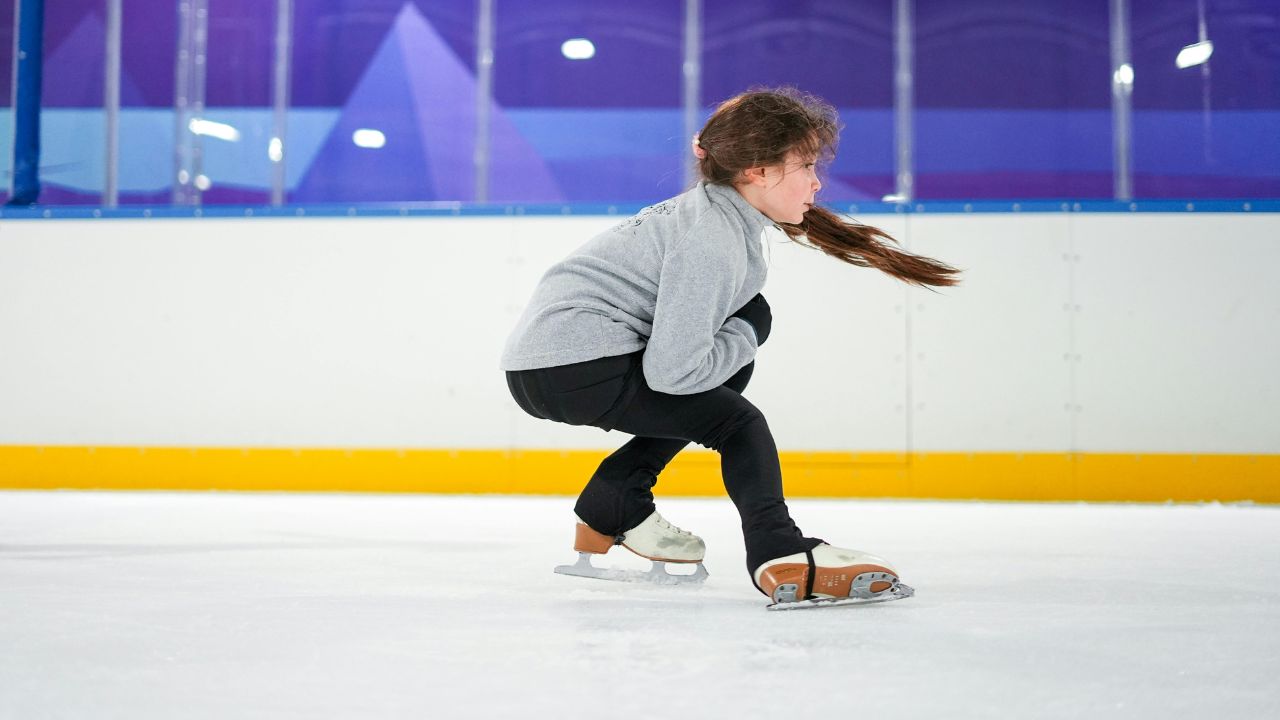
Unlike conventional ice surfaces, which require constant temperature control and high energy consumption, synthetic panels deliver long-lasting skating experiences with minimal maintenance. Whether you are a hockey player in training, a figure skater, or enjoy casual laps with friends, a home rink lets you skate on your schedule and terms.
This guide explores everything you need to know, from benefits and location selection to installation tips and safety measures. By understanding your options and following proven steps, you can create a vibrant skating environment that offers both fun and practicality. The flexibility of synthetic rinks lets you adapt the experience to your space, needs, and preferences.
The popularity of at-home rinks is growing, with experts noting increased demand for customizable recreational amenities for families and athletes. Learning how to build and care for your synthetic ice surface will ensure it stays smooth and enjoyable for years to come.
Table of Contents
Benefits of Synthetic Ice Rinks
Home synthetic ice rinks offer a wealth of advantages for both recreational skaters and dedicated athletes. The year-round usability is perhaps the most significant benefit, allowing skating in any weather and at any time without logistical hassles. These rinks are also far easier and less costly to maintain than refrigerated traditional rinks, since they require neither water nor consistent low temperatures.
As homeowners seek out eco-friendly recreational options, synthetic ice stands out for its low environmental impact. With no need for electricity or water during daily use, the carbon footprint remains minimal. Synthetic rinks also provide excellent value to families, athletes, and coaches by cutting costs on rink rentals and travel, making frequent practice and play affordable from the comfort of home.
Choosing the Right Location
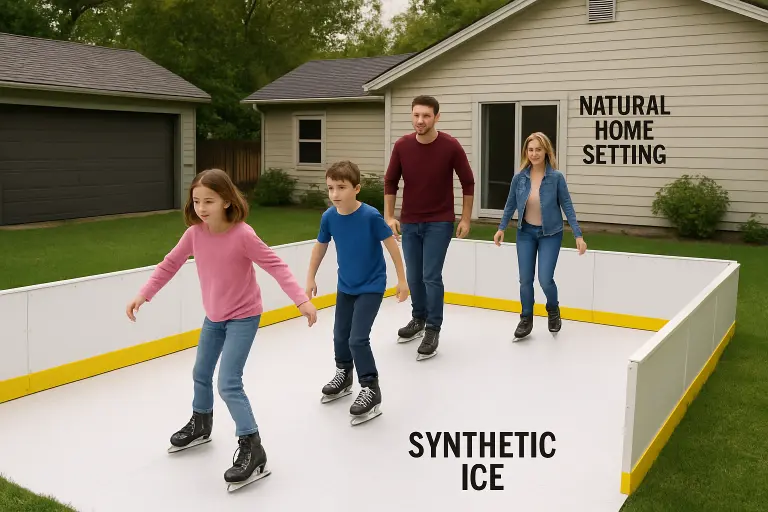
Finding the best place for your synthetic ice rink is a critical first step. The chosen site must be flat and level to ensure the surface remains smooth and safe for skating. Many homeowners opt for garages, basements, patios, or backyard spaces. Consider the available square footage carefully, keeping in mind the type of skating or activities you want to enjoy.
Deciding between an indoor and an outdoor location affects not only the installation process but also the durability of your rink. Indoor spaces, such as basements, usually offer greater protection from the elements, and understanding snow and ice protection can help you create a more durable and weather-resistant skating setup. If outdoors, choose an area that drains well and is shielded from direct sunlight or debris, and ensure proper snow removal to keep the surface clean and safe for skating year-round. For further information on how synthetic surfaces are changing sports and recreation, visit this New York Times article on the evolution of artificial ice.
Selecting Quality Synthetic Ice Panels
The performance and lifespan of your home rink depend on the quality of the synthetic ice panels. Premium panels feature self-lubricating surfaces that enhance glide and reduce friction, closely mimicking the feel of real ice. UV resistance is essential for outdoor rinks, as it prevents discoloration and material degradation caused by prolonged sun exposure.
For an easy and efficient installation, choose panels with interlocking designs. These panels fit together tightly, minimizing seams and creating a safer and more realistic skating surface. High-quality panels are also generally thicker and more resistant to deep gouges and scratches, resulting in a more enjoyable, longer-lasting experience.
Installation Process
Step 1: Prepare the Surface
Begin by ensuring the ground or floor is clean and altogether level. Sweep or vacuum any debris and confirm there are no dips or bumps that could affect skating quality.
Step 2: Lay the Panels
Start from one corner and work outward, locking panels together as per the manufacturer’s instructions. Line up interlocking edges carefully to prevent any movement or separation during use.
Step 3: Secure the Edges
Install edging or boards around the perimeter to keep panels in place, add a finished look, and create a barrier for pucks or other training tools if desired.
Step 4: Test the Surface
Skate across the surface to inspect for gaps or potential uneven areas. Make any necessary adjustments before inviting others to use the rink, ensuring optimal performance and safety.
Maintenance and Care
Upkeep is a simple process but essential for prolonging the life and enjoyment of your synthetic ice rink. Sweep regularly to remove debris that can scratch the surface or detract from glide. Damp mop with a mild cleanser periodically to prevent buildup and maintain optimal performance.
Routinely inspect the panels for cracks, warping, or excessive wear, and address issues promptly by replacing panels when necessary. When the rink is not in use, use protective skate guards and avoid walking on the panels with regular shoes to minimize surface abrasions. For more detailed cleaning instructions, you can check this resource on synthetic ice maintenance.
Safety Considerations
Keeping your synthetic rink safe is straightforward but essential. Always use proper protective gear, including helmets, elbow pads, and knee pads, especially for beginners and young skaters. Adult supervision is a must when children are using the rink, and regular surface checks will help catch any unexpected hazards early.
Be mindful that synthetic surfaces, while resembling ice, do not always have the same stopping power as real ice. Extra caution during stops and turns can prevent slips and falls, especially as new users adapt to the feel underfoot.
Enhancing Your Skating Experience
Lighting is crucial if you plan to skate in the evenings, and it can be easily added with portable LED systems in outdoor or garage settings. To diversify activities, consider adding hockey goals, nets, or figure skating training aids. This not only adds value to your setup but also encourages a variety of users to get involved.
Inviting neighbors, friends, or fellow athletes builds community and creates memorable social settings. Hosting simple skating parties or skills clinics can transform your rink from a private amenity into a neighborhood highlight.
Cost Analysis and Budgeting
Planning your budget ensures there are no surprises along the way. The primary expense is the acquisition of panels, which vary in price based on quality, thickness, and the total square footage required. Edging, boards, and optional training or lighting accessories are secondary expenses and should be factored in as desired.
Maintenance costs are typically low, mostly consisting of occasional cleaning supplies and eventual panel replacement if damaged. Long-term savings become apparent when compared to ongoing rink rental fees and travel costs, particularly for competitive athletes or large families. For many, a home rink pays for itself over time through added convenience, fun, and flexibility.
By investing the time and resources to set up your own synthetic ice rink, you bring the thrill of skating to your doorstep, ensuring endless hours of enjoyment, exercise, and skill development year-round.