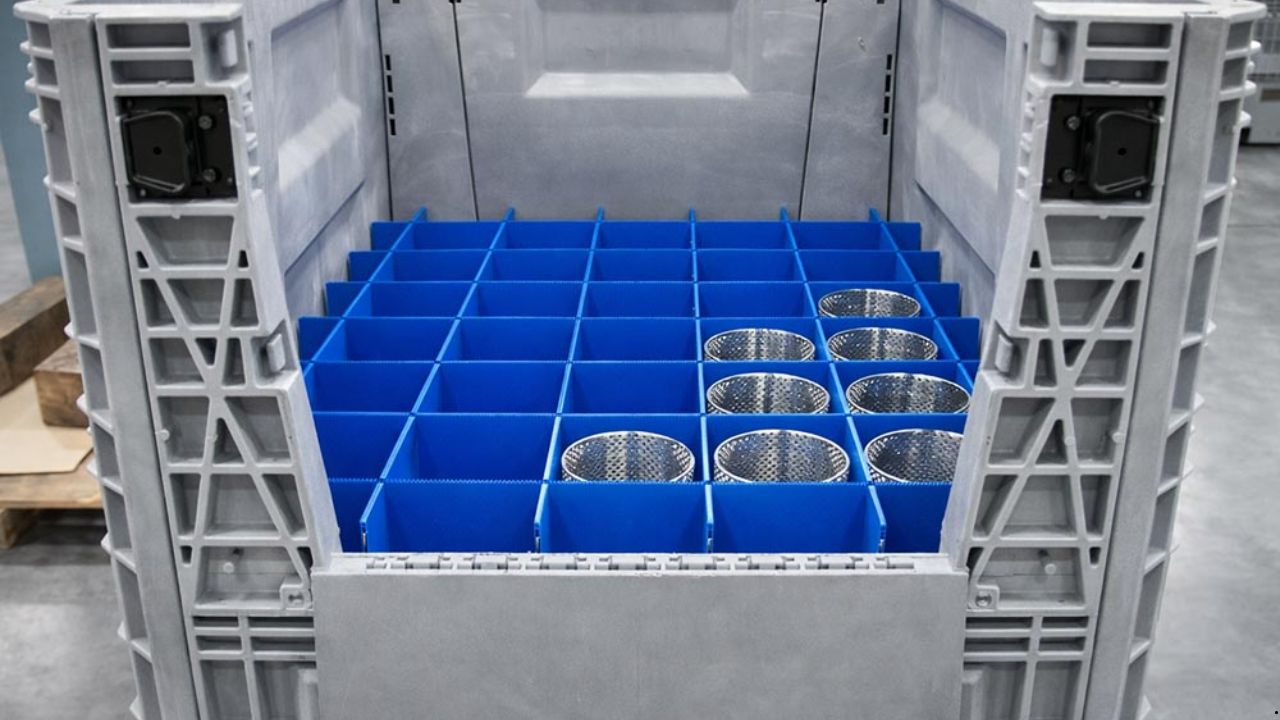

The automotive industry depends on precision, timing, and reliability. Every vehicle is built from thousands of individual components that travel through a complex supply chain before reaching the assembly line. From small electronic sensors to large body panels, every part must arrive in perfect condition and at the right time. This is where automotive packaging plays a critical role.
Packaging for automotive parts is far more advanced than simple boxes or containers. It is a carefully engineered system designed to protect components, streamline logistics, reduce waste, and improve operational efficiency across manufacturing and distribution networks. As global supply chains grow more complex and production schedules become tighter, companies are investing more in smarter and more durable packaging solutions.
Understanding how automotive packaging works—and why it matters—helps manufacturers, suppliers, and logistics partners maintain quality while reducing cost and environmental impact.
Table of Contents
The Importance of Packaging in the Automotive Supply Chain
Automotive manufacturing is one of the most sophisticated supply chains in the world. Components are produced by hundreds of suppliers and shipped to assembly plants where they must arrive precisely when needed. Any delay or damage can halt production and create costly disruptions.
Effective packaging helps prevent these problems by protecting parts during storage and transportation. Automotive components often include sensitive electronics, precision-machined metal parts, painted surfaces, glass, and plastic assemblies. Each of these materials has unique requirements for protection against vibration, impact, moisture, and contamination.
Properly engineered automotive packaging ensures that every component remains safe throughout shipping, warehousing, and handling. This protection reduces product damage, prevents production delays, and maintains the quality standards required in modern vehicle manufacturing.
Packaging also supports efficient logistics operations. Containers and packaging systems are designed to maximize space utilization in trucks, warehouses, and storage racks. When packaging is optimized, companies can transport more components in fewer shipments, reducing transportation costs and improving overall supply chain performance.
Protecting Automotive Components During Transit
Automotive parts travel long distances before they reach the assembly line. Some components are manufactured locally, while others may come from international suppliers. During this journey, parts may be exposed to vibration, shock, temperature fluctuations, and humidity.
High-quality automotive packaging addresses these risks through specialized materials and structural designs. Protective cushioning absorbs impacts during transit, while custom inserts hold parts securely in place to prevent movement. Anti-static materials may be used for electronic components, while corrosion-resistant packaging protects metal parts from moisture and oxidation.
For painted or finished surfaces, packaging must prevent scratches and abrasions. Soft interior materials and protective films help preserve cosmetic finishes so that parts arrive ready for installation.
By carefully designing packaging around the specific characteristics of each component, manufacturers can maintain quality and reduce the likelihood of damaged goods reaching production lines.
Custom Packaging for Complex Automotive Parts
One of the defining characteristics of automotive packaging is customization. Automotive parts vary widely in size, weight, shape, and fragility. A small sensor requires completely different packaging than a large engine component or windshield assembly.
Custom packaging solutions are developed to accommodate the unique requirements of OEM components and other critical automotive parts. Engineers often design packaging systems that fit parts precisely, using molded inserts, foam structures, corrugated partitions, or plastic trays that keep components separated and secure.
For example, delicate electronics used in advanced driver assistance systems require packaging that protects against static electricity and vibration. Meanwhile, heavy metal components like brake rotors or engine blocks require reinforced packaging that can withstand significant weight while remaining easy to handle.
Customized automotive packaging ensures that every component receives the right level of protection while maintaining efficiency in storage and transportation.
Supporting Just-in-Time Manufacturing
Many automotive manufacturers operate under just-in-time (JIT) production models. In this system, parts arrive at the assembly line only when they are needed for installation. This approach reduces inventory costs and warehouse space requirements, but it also demands a highly reliable supply chain.
Packaging plays a crucial role in supporting just-in-time operations. Containers must allow for quick loading, unloading, and part retrieval so that production lines can operate smoothly without delays.
Well-designed automotive packaging often includes stackable containers, ergonomic designs for manual handling, and easy-access configurations that allow workers to remove parts quickly. These features help maintain the flow of production while minimizing the risk of errors or handling damage.
Packaging that integrates seamlessly with manufacturing processes helps automotive companies maintain efficiency and meet tight production schedules.
Reusable Packaging and Sustainability
Sustainability has become an increasingly important priority in the automotive industry. Manufacturers are looking for ways to reduce waste, conserve resources, and improve environmental performance across their operations.
Reusable packaging systems are one of the most effective ways to achieve these goals. Instead of using single-use packaging materials that are discarded after delivery, many suppliers are adopting returnable packaging solutions designed for multiple shipping cycles.
Reusable automotive packaging often includes durable plastic containers, metal racks, or collapsible bulk containers that can be returned to suppliers after parts are delivered. These systems reduce waste, lower long-term packaging costs, and support more sustainable logistics practices.
Many reusable packaging systems are also designed to fold or collapse when empty, reducing the space required for return transportation. This helps companies reduce freight costs and improve transportation efficiency while minimizing environmental impact.
Improving Warehouse and Inventory Efficiency
Packaging is not only about transportation—it also plays a key role in warehouse management and inventory control. Automotive manufacturers and suppliers often store thousands of different components in warehouses and distribution centers.
Packaging designed for efficient storage can significantly improve warehouse operations. Stackable containers allow vertical storage, maximizing the use of available space. Standardized packaging sizes help streamline storage layouts and simplify inventory tracking.
Clear labeling and organized packaging structures also make it easier for warehouse workers to identify and retrieve parts quickly. When components are packaged properly, inventory management becomes more efficient and the risk of picking errors is reduced.
Effective automotive packaging helps warehouses operate more smoothly while supporting faster order fulfillment and improved supply chain visibility.
Protecting Sensitive Electronics and Advanced Components
Modern vehicles rely heavily on electronics and advanced technologies, including temperature sensors, control modules, cameras, and battery systems. Sensors, control modules, cameras, and battery systems are now essential components in many vehicles, especially electric and autonomous models.
These components require specialized packaging that protects them from environmental and electrical hazards. Anti-static materials are commonly used to prevent electrostatic discharge, which can damage sensitive electronic circuits.
Temperature and humidity control may also be important for certain components. Packaging solutions designed for electronics often include moisture barriers and protective layers that shield parts from environmental conditions.
As automotive technology continues to evolve, packaging solutions must adapt to meet the changing requirements of advanced vehicle systems.
Reducing Damage and Lowering Costs
One of the biggest financial risks in the automotive supply chain is product damage during transportation. Damaged parts can lead to expensive replacements, shipping delays, and disruptions in production schedules.
Investing in better packaging solutions can significantly reduce these risks. Properly engineered automotive packaging protects components from physical stress, environmental exposure, and handling errors.
Reducing product damage also improves relationships between suppliers and manufacturers. When shipments consistently arrive in good condition, companies can operate with greater confidence and fewer disruptions.
Over time, the cost savings from reduced damage and improved efficiency often outweigh the initial investment in high-quality packaging systems.
Technology and Innovation in Automotive Packaging
Packaging technology continues to evolve as manufacturers look for ways to improve efficiency and visibility in their supply chains. Innovations in materials, design, and tracking technologies are helping companies gain better control over packaging systems.
Some packaging solutions now include RFID tags or barcode tracking that allow companies to monitor containers throughout the supply chain. This technology helps track inventory, manage returnable packaging systems, and reduce the loss of reusable containers.
Advanced materials are also being developed to improve strength while reducing weight. Lightweight yet durable materials help lower transportation costs while still providing the protection required for automotive components.
As supply chains become more connected and data-driven, packaging will continue to play an important role in enabling smarter logistics operations.
The Future of Automotive Packaging
The future of the automotive industry will likely bring significant changes in vehicle design, manufacturing processes, and supply chain operations. Electric vehicles, autonomous driving technology, and advanced manufacturing systems are already reshaping how vehicles are produced.
These changes will influence how components are packaged and transported. Batteries, electronic systems, and lightweight materials will require new packaging solutions designed to meet their specific needs.
At the same time, companies will continue to focus on sustainability, efficiency, and cost control. This means packaging systems will need to balance durability, environmental responsibility, and logistical performance.
As the automotive industry evolves, automotive packaging will remain a critical part of ensuring that parts move safely and efficiently from suppliers to manufacturers.
Why Automotive Packaging Matters More Than Ever
In a fast-moving industry where precision and reliability are essential, packaging is far more than a logistical detail. It is a strategic component of the supply chain that protects valuable parts, supports manufacturing efficiency, and reduces operational risk.
Well-designed automotive packaging ensures that components arrive in perfect condition, production lines run smoothly, and transportation systems operate efficiently. It helps manufacturers maintain high standards of quality while controlling costs and improving sustainability.
As automotive supply chains become more global and technologically advanced, packaging will continue to play a vital role in keeping the industry moving forward. Companies that invest in smarter packaging solutions position themselves to operate more efficiently, reduce waste, and meet the demands of modern vehicle manufacturing.