
Addiction affects millions of individuals worldwide, impacting physical health, emotional well-being, relationships, and self-confidence. Recovery is not simply about stopping substance use — it is about rebuilding overall health and regaining stability in every aspect of life.
As individuals progress through recovery, many also begin focusing on restoring their physical appearance and confidence. Hair thinning or hair loss can sometimes occur due to prolonged stress, nutritional deficiencies, or hormonal imbalances associated with substance misuse. In such cases, combining structured addiction recovery care with modern hair transplantation can support both internal healing and external restoration.
Healthcare institutions such as Gold City provide comprehensive treatment options that address medical, psychological, and lifestyle components of recovery.
Table of Contents
Understanding Addiction Recovery
Effective recovery programs often include medical detoxification, psychological counseling and therapy, behavioral support strategies, nutritional rehabilitation, stress management techniques, and long-term relapse prevention planning. Some individuals also explore Christian therapy as part of their structured support system.
- Medical detoxification (when necessary)
- Psychological counseling and therapy
- Behavioral support strategies
- Nutritional rehabilitation
- Stress management techniques
- Long-term relapse prevention planning
Recovery is not a one-size-fits-all journey. Personalized care plans are essential to address underlying triggers, co-occurring conditions, and individual health needs.
You can learn more about comprehensive approaches to addiction recovery and how structured medical support plays a critical role in sustainable healing.
The Physical Effects of Addiction on Hair Health
Substance misuse can affect multiple systems within the body. Over time, individuals may experience:
- Hormonal imbalances
- Vitamin and mineral deficiencies
- Elevated stress hormone levels
- Compromised immune function
- Poor scalp circulation
These factors can contribute to hair thinning or excessive shedding. In some cases, hair loss becomes noticeable during or after prolonged periods of physical stress.
While recovery focuses primarily on stabilizing health, addressing visible concerns such as hair loss can also play a meaningful role in rebuilding confidence.
Modern Hair Transplantation as a Confidence Booster
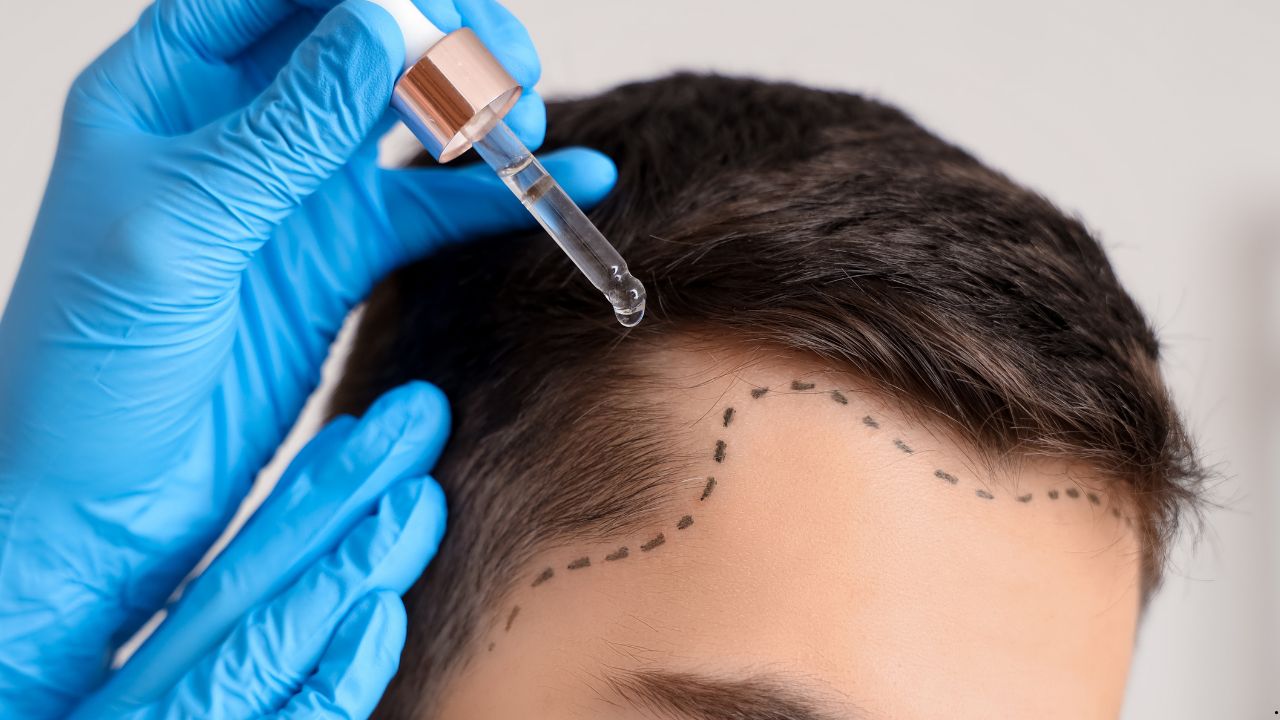
Hair transplantation is a minimally invasive surgical procedure that restores hair density by relocating healthy follicles from donor areas to thinning or bald regions.
Common techniques include:
Follicular Unit Extraction (FUE)
Individual follicles are extracted and implanted carefully into the scalp. This method leaves minimal scarring and allows for natural-looking results.
Direct Hair Implantation (DHI)
A refined method where follicles are implanted using specialized tools for precise placement and density control.
These procedures offer permanent results because transplanted follicles are typically resistant to the hormonal patterns responsible for common forms of hair loss.
Why Stability Comes First
Before considering cosmetic procedures, individuals in recovery must reach medical and emotional stability. Hair transplantation should only be pursued once:
- Substance use has ceased
- Nutritional status is restored
- Hormonal balance is stabilized
- Stress levels are managed
- Medical professionals confirm readiness
Recovery provides the foundation upon which aesthetic procedures can safely and effectively be performed.
The Psychological Impact of Restoring Appearance
Addiction recovery is deeply connected to identity rebuilding. As individuals regain control over their health and lifestyle, they often seek changes that reflect their transformation.
Improving appearance through hair restoration may:
- Strengthen self-confidence
- Support social reintegration
- Enhance professional presentation
- Reinforce commitment to long-term wellness
However, it is important to view hair transplantation as a complementary step rather than a substitute for emotional healing.
A Holistic Perspective on Healing
A comprehensive health strategy may involve continued therapy and support groups, balanced nutrition, regular exercise, stress management practices, and preventive medical monitoring. Attention to overall dental care is also part of maintaining physical wellness during recovery.
A comprehensive health strategy may involve:
- Continued therapy and support groups
- Balanced nutrition
- Regular exercise
- Stress management practices
- Preventive medical monitoring
When physical health is restored, the body becomes better equipped to support surgical recovery and long-term hair growth.
Recovery and Regrowth: A Parallel Journey
Addiction recovery and hair restoration share a symbolic connection. Both involve renewal, patience, and gradual progress. Hair growth after transplantation occurs in phases, much like the stages of recovery.
Neither process delivers instant transformation. Both require consistency, guidance, and realistic expectations.
Final Thoughts
Addiction recovery is a courageous and life-changing journey. By addressing the root causes of dependency and rebuilding overall health, individuals create a strong foundation for long-term well-being.
For those who experience hair thinning as a result of physical or emotional stress, modern hair transplantation may offer an additional step toward restoring confidence. When pursued responsibly and at the right stage of recovery, it can complement a broader commitment to personal transformation.
True healing begins internally — and when supported by professional medical care, it can extend outward, reflecting strength, renewal, and lasting change.

