Key Takeaways
- Regular maintenance prevents wear and enhances appearance.
- Different flooring materials require specific care techniques.
- Implementing a structured cleaning schedule is crucial.
Maintaining the quality and appearance of hard floors in commercial environments is fundamental for both visual appeal and overall safety. Ensuring that floors are properly maintained helps to create a welcoming atmosphere while reducing long-term repair costs. For example, services like floor stripping and waxing are essential for upholding the integrity of certain types of flooring and keeping spaces looking their best.
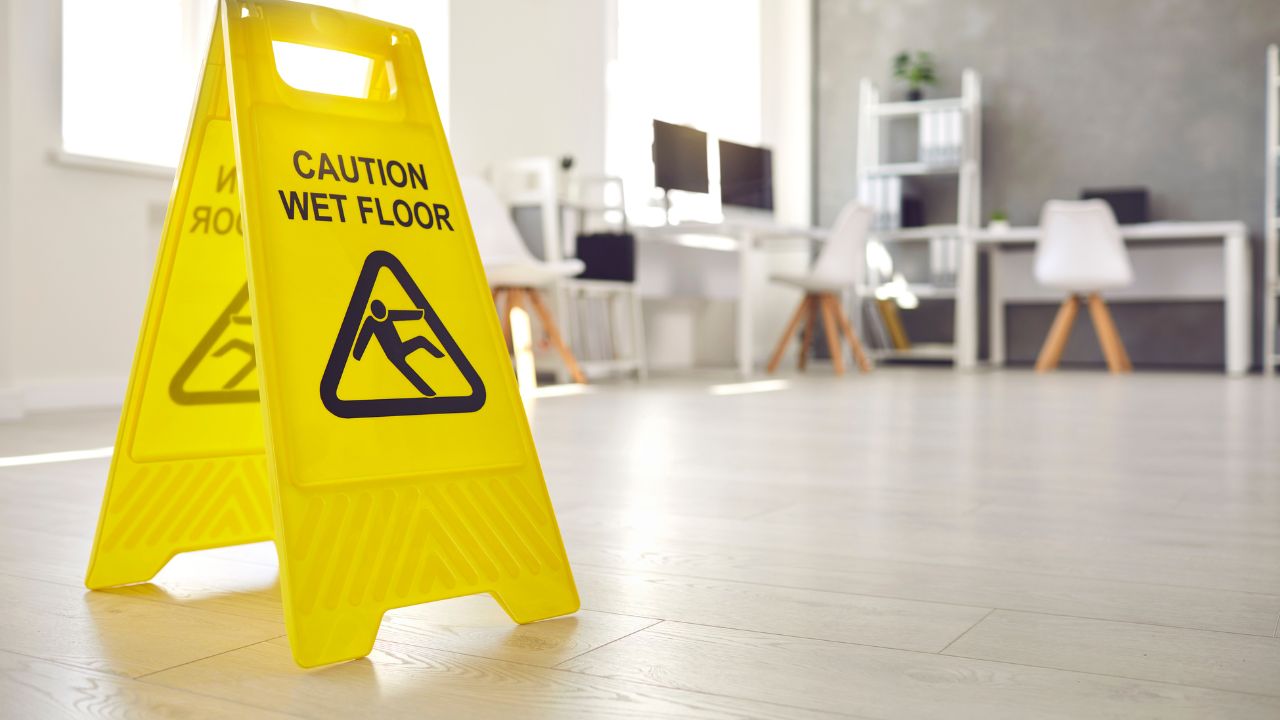
Regular upkeep does more than beautify a workplace. It directly benefits the health and productivity of everyone who enters the building. Slips caused by neglected spills or debris can lead to workplace injuries, underscoring the importance of scheduled floor care. Additionally, maintaining commercial flooring preserves its value over time and can avoid the high environmental cost of early replacement.
Each type of flooring material requires a unique approach to care. Identifying these needs enables facility managers to establish effective, customized cleaning schedules. A detailed maintenance plan, paired with the right products and techniques, yields impressive results and extends the life of any commercial flooring. In addition to floor maintenance, businesses may also consider other facility improvements, such as commercial painting, to create a cohesive, professional look throughout their spaces.
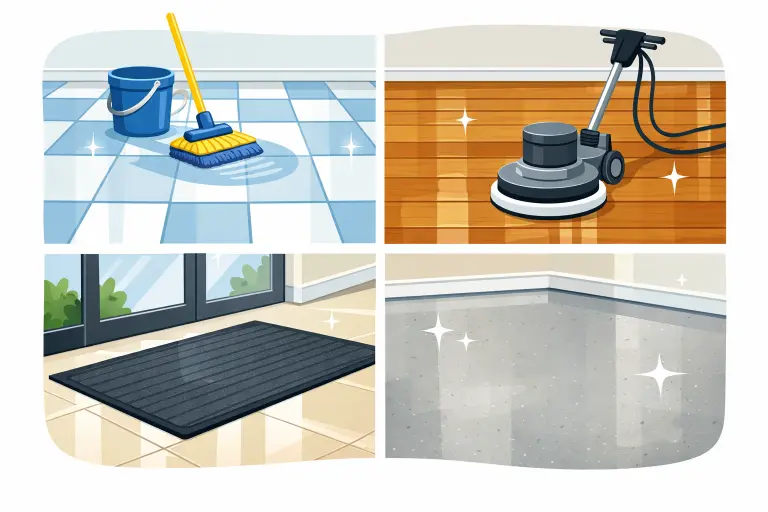
Table of Contents
Importance of Regular Maintenance
Consistent floor care routines prevent the accumulation of dust, grit, and debris that can gradually wear away the surface of hard flooring. In commercial spaces, high-traffic areas are particularly vulnerable to rapid deterioration, making daily maintenance a vital preventive measure. Proactive care reduces the likelihood of costly repairs and can significantly improve the longevity of floors. This approach also helps protect the investment made in high-quality flooring and keeps surfaces looking polished for visitors.
Identifying Flooring Materials
Understanding the exact material of a commercial floor is crucial for proper maintenance. Each type reacts differently to moisture, cleaning agents, and wear. The most frequently encountered materials in commercial buildings include:
- Vinyl Composition Tile (VCT): Known for its resilience and affordability, VCT requires periodic maintenance, including stripping and waxing, to maintain its sheen.
- Hardwood: Appreciated for its timeless appeal, wooden flooring needs proper care to prevent scratches, moisture damage, and daily wear in busy commercial spaces.
- Ceramic Tile: These tiles are stain-resistant, but grout lines can become stained or harbor bacteria if not cleaned thoroughly and regularly.
- Concrete: Concrete is valued for its lasting durability, though it is porous and benefits from occasional sealing to prevent staining.
Daily Cleaning Practices
Daily cleaning extends a floor’s usable life and keeps the business inviting. Start by sweeping or dust-mopping to remove loose dirt. This immediately reduces the risk of scratches. After sweeping, damp mopping removes leftover grime and is especially important in food service or healthcare settings where hygiene is essential. Spot cleaning should be done as soon as spills occur to prevent stains and slippery surfaces.
- Sweeping and Dust Mopping: Removes surface dirt before it can scratch or abrade floors.
- Mopping: Uses correct cleaning solutions suitable for the specific material.
- Spot Cleaning: Addresses spills promptly to avoid slip hazards and staining.
Periodic Deep Cleaning
While daily cleaning keeps up appearances, periodic deep cleaning is vital for restoring floors and eliminating buildup beyond the surface. For example, VCT floors benefit from regular stripping of old wax and application of a fresh finish, resulting in a well-maintained shine. Hardwood floors may need buffing and polishing to remove minor scratches and highlight the natural grain. Tiles, meanwhile, often require specialized grout cleaning to prevent discoloration and bacteria buildup, especially in bathrooms or kitchens.
- Stripping and Waxing: Renews the look and protective layer of VCT flooring.
- Buffing and Polishing: Maintains the aesthetic quality of hardwood and certain engineered materials.
- Grout Cleaning: Essential for preserving a clean look and avoiding long-term grout issues.
Protective Measures
A thoughtful approach to floor protection can extend usable lifespan and minimize damage. Strategic practices include placing mats at each entrance to trap dirt and moisture before it reaches the floors, and adding pads to furniture legs to prevent scratches from moving chairs and tables. Routine inspections help catch early signs of floor stress, such as cracks, loose tiles, or water damage.
- Entrance Mats: Prevent grit and water from being tracked inside the building.
- Furniture Pads: Shield surfaces from scrapes during furniture movement.
- Regular Inspections: Allow fast detection and repair of small issues before they become bigger problems.
Choosing the Right Cleaning Products
The success of any floor care regimen hinges on selecting cleaning products compatible with the floor material. Using a cleaner formulated for one surface on a different material can lead to damage or inefficient cleaning. For instance, neutral pH cleaners are recommended for most floor types because they clean efficiently without stripping finishes. Always check the manufacturer’s directions before introducing a new product to your floor care routine.
Training Staff on Proper Techniques
Employees responsible for maintaining floors need comprehensive training to handle a variety of materials and understand the specifics of each cleaning process. Proper instruction not only improves overall effectiveness but also reduces the risk of accidental damage. Training should include the proper use of chemicals and machinery, as well as the importance of appropriate frequencies for different care tasks.
Conclusion
Effective commercial hard floor care relies on a blend of consistent routine maintenance, deep cleaning, use of appropriate cleaning products, and proper staff training. These best practices help businesses preserve the beauty and safety of their environments while reducing long-term repair and replacement costs. By staying proactive about identifying flooring types and implementing structured maintenance plans, facility managers can ensure their floors remain an asset to the organization for years to come.