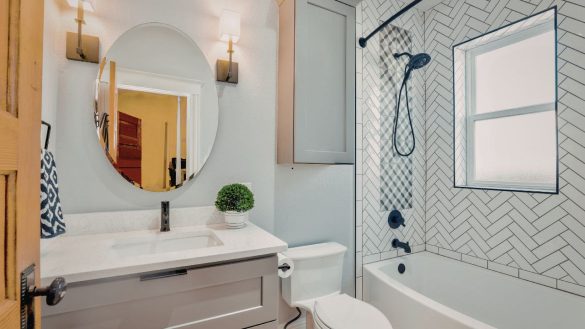

Estimating the financial investment required for home improvements in Victoria’s capital demands an understanding of current labor rates, material availability, and design complexities. As the property market continues to prioritize high-end finishes and functional luxury, homeowners are increasingly seeking clarity on how to balance their aesthetic desires with a realistic bottom line. Determining the total expenditure for Bathroom Renovations Melbourne involves more than just picking out tiles and tapware; it requires a deep dive into structural integrity, waterproofing compliance, and the coordination of multiple skilled trades. Whether you are updating a compact ensuite in South Yarra or transforming a large family bathroom in Glen Waverley, the current economic climate has shifted the traditional pricing tiers significantly.
Table of Contents
Budgetary Tiers and Project Scope
The starting point for any financial plan is defining the level of finish and the extent of structural changes required. For those looking for a cosmetic refresh—often referred to as a “pull and replace”—the costs generally remain on the lower end of the spectrum. This typically involves keeping the existing plumbing footprint while updating the vanity, toilet, and perhaps the shower screen. However, for a mid-range or premium transformation, homeowners should expect a higher commitment. Current data suggests that a standard bathroom renovations Melbourne cost often falls between $15,000 and $35,000, depending heavily on the choice of porcelain versus ceramic tiles and the inclusion of custom cabinetry. Moving beyond this range usually indicates a luxury overhaul involving structural modifications, such as moving load-bearing walls or relocating the drainage system to accommodate a freestanding tub.
Labor Costs and Trade Coordination
One of the primary drivers of renovation expenses in the current Melbourne market is the rising cost of skilled labor. A successful bathroom project often involves working with experienced remodeling companies alongside plumbers, electricians, tilers, and waterproofers, each of whom carries specific certification requirements under Victorian building codes. Plumbing alone can account for a significant portion of the budget, especially if the layout is being altered. Waterproofing is another non-negotiable expense that must adhere to AS3740 standards to prevent long-term structural damage. When you factor in the hourly rates for licensed tradespeople, which have seen a steady increase due to high demand, the “hidden” costs of a renovation become clearer. Investing in reputable professionals ensures that the work is not only beautiful but also compliant with local regulations, protecting your home’s resale value.
Material Selection and Design Trends
The materials you select act as the secondary engine of your total spend. High-quality fixtures, such as brushed brass tapware or stone-topped vanities, offer a timeless appeal but come at a premium price compared to standard chrome and laminate options. Currently, there is a strong movement toward creating “spa-like” retreats, which often incorporate expensive elements like underfloor heating, frameless glass, and large-format porcelain slabs. One interesting area to explore is the hidden value of updating outdated bathrooms, as smart upgrades and eco-friendly choices can offer long-term savings despite higher upfront costs. Selecting local suppliers for tiles and fixtures can occasionally mitigate shipping delays and costs, but the choice between imported luxury and local reliability remains a pivotal decision for every Melbourne renovator.
Managing Contingencies and Finalizing the Deal
No renovation project is entirely immune to surprises, particularly in older Melbourne homes where hidden rot or outdated wiring may only be discovered once the walls are stripped. Experienced project managers recommend setting aside a contingency fund of at least 10% to 15% of the total quote to cover these unforeseen issues. When finalizing a contract with a builder, ensure that the scope of work is meticulously detailed, covering everything from demolition and waste removal to the final grout seal. Comparing multiple detailed quotes allows you to see where your money is going—be it into high-end labor or premium products—and helps you avoid the “low-ball” offers that often lead to expensive variations later in the project.
Conclusion
Navigating the costs of a bathroom overhaul in the current market is a task that requires patience, research, and a clear set of priorities. By understanding the distinction between cosmetic updates and full structural renovations, you can better align your budget with your long-term goals for the property. While the initial figures may seem daunting, understanding the key renovation benefits shows why a well-executed bathroom can significantly increase the livability and equity of a home. Staying informed about trade rates, material trends, and compliance requirements will empower you to make decisions that balance immediate luxury with financial prudence. Ultimately, a successful renovation is not just about the money spent, but about the quality of the craftsmanship and the durability of the space created for years to come.