
Key Takeaways
- Advanced Driver-Assistance Systems (ADAS) significantly reduce accident risk by minimizing human error.
- Adaptive cruise control and lane-keeping assist provide a smoother and less stressful driving experience.
- Modern infotainment systems offer extensive entertainment and connectivity options without sacrificing driver focus.
- Improvements in ergonomics and comfort lead to greater enjoyment and less fatigue during long drives.
Modern vehicles have revolutionized the driving experience with an impressive range of innovative safety and comfort technologies. From automated safety systems to amenities that make journeys more pleasant, new car models offer drivers and passengers levels of reassurance and enjoyment previously unimaginable. Learn more about these features and how they can enhance your daily commute and long trips.
Manufacturers now seamlessly integrate these features to not only protect occupants but also simplify driving tasks, reduce fatigue, and create a more intuitive user experience. Understanding these innovations can empower car buyers to make informed choices and maximize both safety and pleasure during every drive.
Whether adopting the latest driver-assistance features or embracing improved connectivity inside your vehicle, today’s innovations are shaping a future where driving is safer and stress-free for everyone on the road.
Table of Contents
Advanced Driver-Assistance Systems
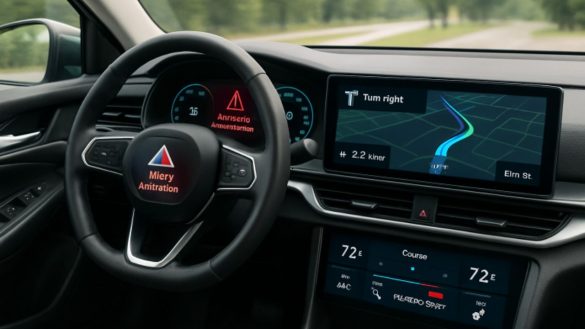
Advanced Driver-Assistance Systems (ADAS) employ an integrated suite of sensors, cameras, and radar to help motorists avoid hazards on the road. These systems track the vehicle’s environment in real time, identifying threats such as sudden lane departures, unexpected vehicles in blind spots, or potential traffic collisions. When a risk is detected, ADAS can issue warnings or intervene directly, for example, by automatically activating emergency braking or steering correction.
According to the National Highway Traffic Safety Administration (NHTSA), ADAS technologies reduce the frequency and severity of accidents by addressing the most common causes, driver distraction and error. Widespread adoption of features such as collision avoidance, blind-spot monitoring, and rear cross-traffic alerts has already led to measurable reductions in traffic injuries and fatalities. As these systems continue to evolve, they bring us closer to partially or fully autonomous vehicles, dramatically enhancing road safety for all.
Adaptive Cruise Control and Lane-Keeping Assist
Adaptive cruise control (ACC) and lane-keeping assist (LKA) are two cornerstones of modern highway safety and comfort technology. ACC allows drivers to maintain a set cruising speed, but unlike traditional cruise control, it automatically adjusts speed to preserve a safe distance from vehicles ahead, slowing or accelerating as needed with changing traffic conditions. This minimizes the need for constant acceleration and braking, making long drives less taxing and more efficient.
Lane-keeping assist uses cameras to detect lane boundaries and applies gentle steering corrections when the car drifts unintentionally. Together, ACC and LKA reduce cognitive load during stressful driving scenarios, such as heavy traffic or prolonged highway journeys, helping drivers stay relaxed and alert.
Enhanced Infotainment Systems
Drivers today expect constant connectivity, and modern infotainment systems deliver on this demand. If you follow recent car buying trends, you’ll notice how much connectivity now influences purchase decisions. These platforms combine navigation, entertainment, and communication in a single, user-friendly interface — often controlled by voice commands, touchscreen controls, or steering wheel buttons. Infotainment systems now offer seamless smartphone integration so drivers can access apps, music, messages, and navigation with minimal distraction.
Not only do these technologies keep drivers entertained and better informed, but they also support hands-free operation, reducing eyes-off-the-road time. Features such as Bluetooth connectivity, Apple CarPlay, Android Auto, and wireless charging pads have become central to enhancing the overall driving experience in both economy and luxury vehicles.
Improved Vehicle Ergonomics and Comfort
Beyond high-tech features, automakers emphasize comfort and ergonomics. This becomes even more important when selecting utility vehicles—these pickup tips highlight how comfort and usability go hand in hand. Attention to driver posture, visibility, and tactile satisfaction can have a profound impact on how enjoyable daily trips can be. Adjustable seating and steering, multi-zone climate control, and customizable interior lighting all contribute to a relaxing and personalized environment.
In addition, noise reduction technologies like laminated glass and enhanced insulation block out road and wind noise, improving cabin tranquility even on bustling highways. Ventilated and heated seats, memory settings, massaging chair options, and ambient lighting further elevate the sense of luxury and care, making long-distance driving notably less exhausting.
By consistently refining these comfort details, vehicle designers ensure that every journey, whether commuting, running errands, or heading out on a weekend adventure, feels easier and more enjoyable.
Final Thoughts
The technology powering modern vehicles is continually advancing in both sophistication and accessibility. Today’s drivers can reap the rewards of safer, simpler, and more enjoyable trips. As ADAS, infotainment, and comfort features proliferate, motorists can look forward to ever-greater confidence and enjoyment on the road, while staying connected and secure every mile of the way.

