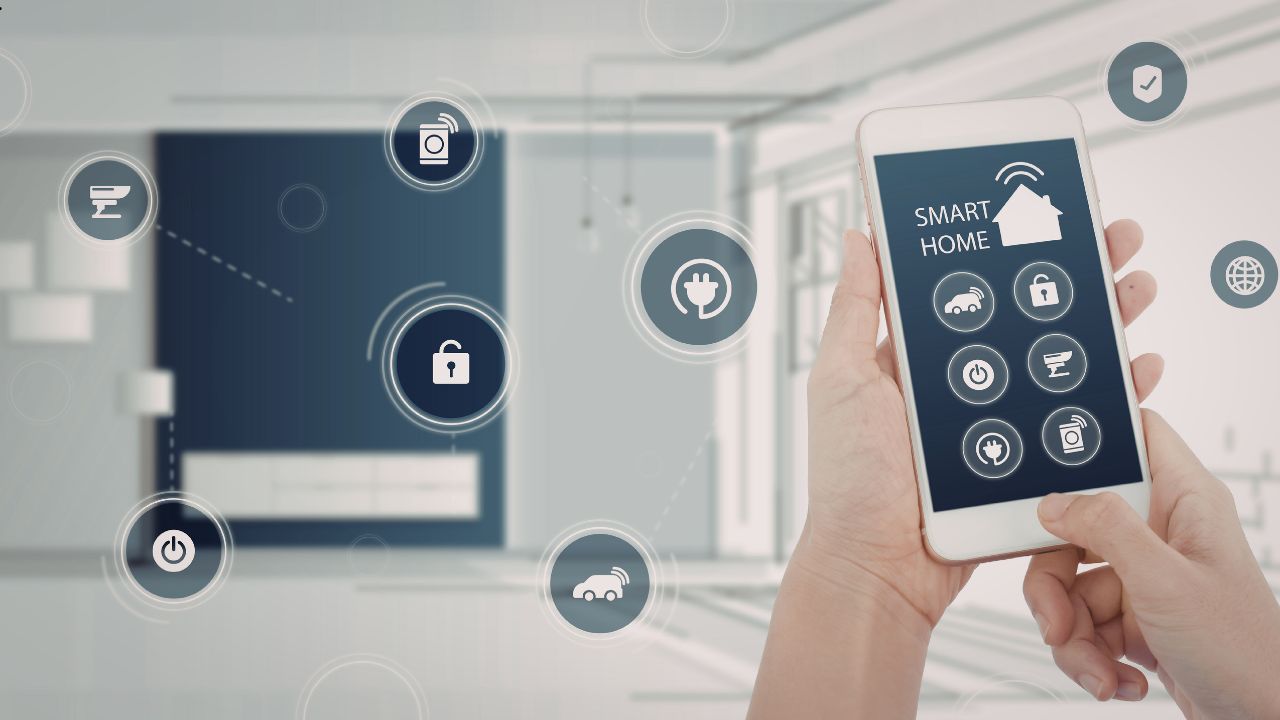

Smartphones are no longer just communication tools—they are personal ecosystems. From managing finances to maintaining relationships and consuming content, nearly every aspect of daily life is tied to a device we carry everywhere. As this dependency grows, so does the interest in understanding and managing what happens inside these devices.
This is where the concept of controllo telefono starts to emerge—not simply as a technical action, but as a reflection of how people interact with trust, safety, and digital boundaries.
Table of Contents
The Shift From Device Ownership to Data Awareness
In the early days of mobile phones, ownership meant control. If you had the device, you had access to everything on it. Today, that idea is outdated.
Modern smartphones store:
- Encrypted conversations
- Cloud-synced data
- Multi-platform social activity
- Location history
Because of this, people are becoming more curious about what can be accessed, tracked, or monitored—and under what conditions.
Rather than pure control, the focus has shifted to data awareness.
Understanding the Tools Without the Myths
There is a lot of misinformation surrounding phone monitoring. Many believe it involves complex hacking or advanced technical skills. In reality, most tools are designed to be user-friendly and accessible.
For example, if someone researches an app controllo telefono, they will likely find solutions that claim to provide insights into messages, app usage, and device activity.
However, what is often overlooked is:
- The need for proper authorization
- Device compatibility limitations
- The importance of transparency in usage
Understanding these aspects is crucial before forming any conclusions.
Control vs. Curiosity: Where Do People Draw the Line?
One of the most interesting aspects of this topic is not the technology itself, but the motivation behind using it.
People are often driven by:
- Curiosity about digital behavior
- Concerns over online safety
- A desire to reduce uncertainty
But curiosity can easily blur into intrusion.
The challenge is recognizing where responsible monitoring ends and privacy violation begins. This line is not always clear, but it is always important.
Real-World Use Cases That Make Sense
While the topic can be controversial, there are legitimate and widely accepted scenarios where phone monitoring plays a role:
Family Safety
Parents may want to ensure their children are not exposed to harmful content or interactions online.
Device Security
Individuals sometimes monitor their own devices to detect suspicious activity or unauthorized access.
Digital Wellbeing
Some users track their own usage patterns to reduce screen time and improve productivity.
These use cases are less about control and more about informed decision-making.
Popular Solutions and What They Actually Offer
Many platforms in this space are often discussed for their range of features. For instance, when looking into solutions like mspy, users typically expect functionalities such as activity tracking, location insights, and access to certain types of data.
However, it’s important to approach these tools with realistic expectations:
- Not all features work the same across devices
- Updates and security patches can affect performance
- Ethical use is always the user’s responsibility
Instead of focusing on promises, it’s better to understand how these tools fit into real-life situations.
The Hidden Risk: Over-Reliance on Monitoring
One issue that rarely gets discussed is dependency.
Relying too much on monitoring tools can:
- Increase anxiety rather than reduce it
- Create false assumptions based on incomplete data
- Replace communication with observation
Technology should support decision-making—not replace human judgment.
Building a Healthier Digital Environment
Rather than focusing only on controllo telefono, a more balanced approach includes:
- Encouraging open discussions about online behavior
- Setting clear digital boundaries within families
- Promoting awareness of online risks
- Practicing responsible use of technology
These steps often lead to better outcomes than relying solely on monitoring tools.
Final Thoughts
As smartphones continue to evolve, so will the tools designed to understand and manage them. But the real question is not what technology can do—it’s how people choose to use it.
Controllo telefono is not just about access or visibility. It’s about responsibility, awareness, and making informed choices in a digital world that is constantly changing.
Understanding the bigger picture will always be more valuable than simply knowing the tools.