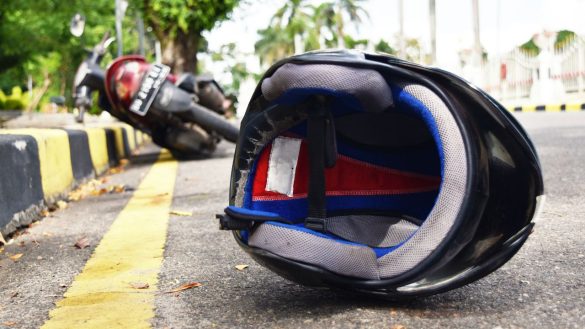

Motorcycle riding is beloved by many for its sense of adventure and the open road, but it also comes with significant risk. Unlike other motorists, motorcyclists lack substantial protection from the force of a crash, making them more susceptible to severe injuries. Understanding these risks is essential for riders and their families. Anyone seeking support following an accident may benefit from guidance provided by the top motorcycle accident attorneys in Orlando.
When a motorcycle accident occurs, the injuries can be catastrophic, impacting not only the rider’s ability to enjoy life but also their capacity to work and fulfill personal responsibilities. Recovery is often lengthy and costly, both physically and financially. With this in mind, it’s critical to recognize the types of injuries that are most common in motorcycle accidents and the potential for long-term consequences.
Recent data from reputable sources, such as the National Highway Traffic Safety Administration (NHTSA), continue to highlight the high rate of injury and fatality among motorcycle riders, especially compared to car occupants. Even with advancements in motorcycle safety technology, human vulnerability remains a core concern.
Florida, in particular, ranks among the states with the highest number of motorcycle accidents, underscoring the need for awareness and proactive measures at a local level.
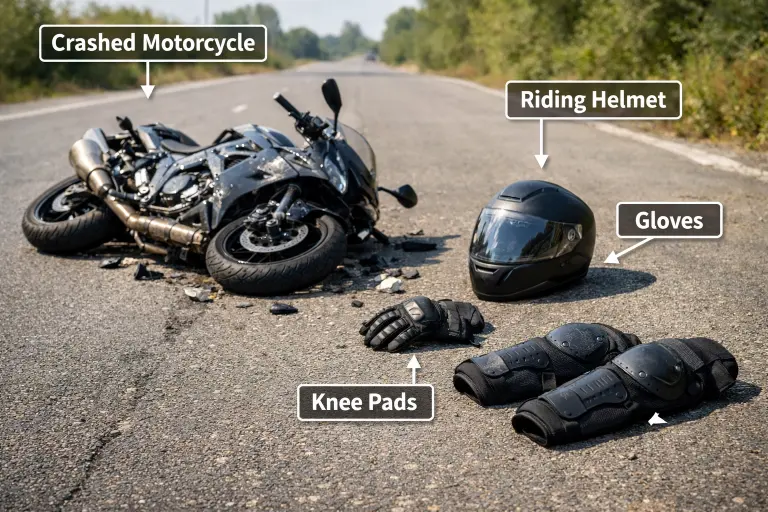
Table of Contents
Head Injuries
Head injuries, including concussions and traumatic brain injuries (TBIs), are some of the most devastating outcomes in motorcycle accidents. Even with proper helmet use, the impact can cause serious damage to the brain, resulting in cognitive difficulties, persistent headaches, memory problems, or even permanent changes in behavior. In more severe cases, TBIs can lead to lifelong disability, requiring substantial ongoing care and rehabilitation. Early intervention and aggressive treatment are vital, but for many, recovery can be incomplete and prolonged.
It’s also important to stress that some symptoms may not appear immediately after an accident. Individuals who experience a motorcycle crash should continue to monitor themselves for mood changes, sleep problems, or difficulties with concentration in the days and weeks that follow. Family members and loved ones often play a crucial role in noticing these subtle signs of brain injury. Prompt medical assessment can make a substantial difference in both short-term recovery and long-term quality of life. Additionally, ongoing medical research seeks to improve the outcomes and rehabilitation options for those with serious head injuries.
Spinal Cord Injuries
The spinal cord is highly vulnerable during high-impact collisions. Injuries to the spine can range from herniated discs to complete severance of the cord, causing partial or complete paralysis. The location and severity of the damage dictate the long-term outcome. Some survivors may regain partial function with extensive therapy, while others may need permanent mobility aids and home modifications. Chronic pain is another frequent complication, and the emotional toll of adapting to new physical realities can be overwhelming.
If you want to learn more about spinal cord trauma and recovery, Mayo Clinic’s overview provides in-depth information.
Moreover, spinal cord injuries can affect multiple bodily systems beyond mobility, often resulting in secondary complications such as impaired bladder and bowel control, lower immune function, or increased risk of infections. Regular follow-up with specialists can help address these concerns, and new treatments continue to emerge, offering hope for improved quality of life for those affected.
Road Rash
Often dismissed as minor, road rash can range from superficial scrapes to deep wounds that expose muscle and bone. These abrasions occur when a rider slides across asphalt after falling or being thrown from their bike. Severe road rash carries a significant risk for infection, nerve damage, and permanent scarring. In extreme cases, skin grafts are required, and even after healing, the injured area can remain sensitive and prone to further injury.
Besides the physical effects, the visual impact of scarring can have lasting psychological consequences, affecting self-esteem and emotional well-being. Consulting both medical and mental health professionals is advisable for comprehensive recovery. Wearing the appropriate protective gear remains the best way to reduce the severity of road rash injuries.
Broken Bones
Fractures are overwhelmingly common in motorcycle collisions, especially to the arms, legs, ribs, and pelvis. These injuries often necessitate surgery, with metal plates, screws, or rods used to aid healing. Physical therapy is typically needed to restore function and strength, but some victims contend with reduced mobility, joint instability, or chronic pain for years after the accident. Complications such as arthritis may also arise, further impacting quality of life.
Recovery from complex fractures can be a slow process, sometimes involving multiple surgeries or specialized rehabilitation programs. Recovery can feel overwhelming, and knowing the right motorcycle lawyer questions may also help you handle the legal side of things. Personalized care plans may help individuals adapt and maximize recovery while improving daily living and independence after serious orthopedic injuries.
Internal Injuries
Not all trauma is visible. Blunt force can damage internal organs or cause internal bleeding, injuries that are particularly insidious because they may not be immediately detectable. The liver, spleen, lungs, and kidneys are especially vulnerable. Without rapid medical intervention, these injuries can be fatal, and survivors may face lasting health concerns such as organ dysfunction or increased susceptibility to future medical problems.
Diagnostics like CT scans or ultrasounds are commonly used in emergency settings to identify internal injuries early and initiate treatment. Even after successful intervention, individuals who have suffered internal trauma may need long-term monitoring and lifestyle adjustments to minimize future health risks and complications.
Psychological Trauma
The psychological effects of a motorcycle accident are often as persistent as the physical consequences. Survivors may develop post-traumatic stress disorder (PTSD), anxiety, depression, or specific phobias related to driving or riding. These issues can strain personal relationships and reduce overall quality of life, sometimes requiring long-term therapy from mental health professionals. Recognizing psychological injuries is crucial since untreated trauma can hinder recovery and daily function.
Participating in support groups or therapy with other accident survivors has proven beneficial for many people dealing with emotional fallout. Early mental health intervention increases the likelihood of a better recovery, and some individuals find that counseling helps them regain confidence and eventually return to riding under the right circumstances. Every individual’s psychological journey after an accident is different and deserves compassionate understanding and support.
Preventive Measures
- Wear Appropriate Gear: Use a DOT-approved helmet, protective clothing, gloves, and durable footwear at all times.
- Follow Traffic Laws: Comply with speed limits, signal properly, and practice defensive riding.
- Stay Visible: Use reflective gear and keep headlights on, especially in low-light conditions.
- Complete Safety Training: Enroll in advanced rider courses to improve your ability to anticipate and react to hazards.
Implementing these practices can minimize the risks and severity of injuries in the event of an accident. For more information on motorcycle safety, visit the National Highway Traffic Safety Administration (NHTSA) for updated guidelines and statistics.
Riders should also stay informed about local laws and any updates in safety requirements, as regions may regularly introduce new regulations to help protect motorcyclists. Engaging in community safety events and outreach programs can further spread awareness and foster a culture of responsibility and vigilance among both new and experienced riders.
Conclusion
Motorcycle accidents can result in serious and sometimes life-altering injuries. From head trauma and spinal cord injuries to psychological scars, the long-term consequences can be overwhelming. Understanding these risks underlines the importance of responsible riding, safety gear, and continued education. By committing to safe practices and being mindful on the road, motorcycle riders can enjoy their passion while greatly reducing their risk of severe injuries.
Continued education, community support, and legislative advocacy remain critical in reducing motorcycle accident rates and promoting a safe riding culture. Beyond safety on the road, riders should also understand how to ship a motorcycle safely when relocating or transporting their bike. Families, local governments, and advocacy groups all play a part in fostering a safer environment for riders everywhere.