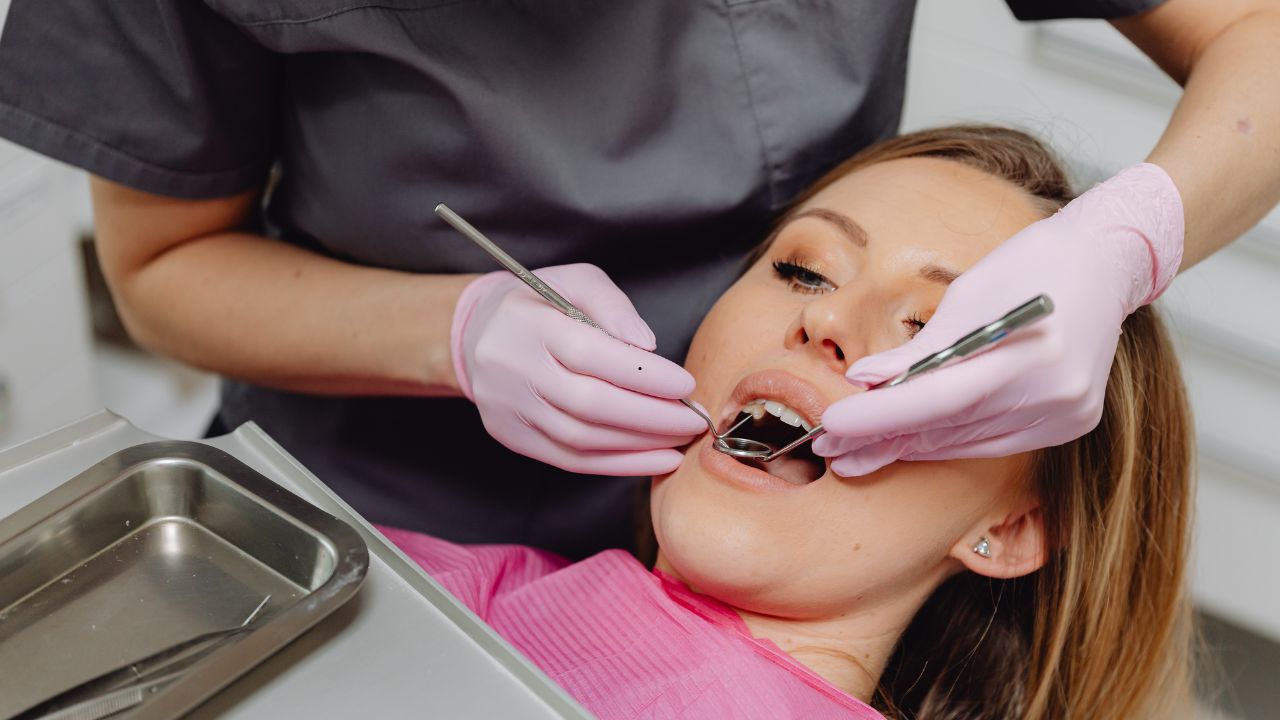

Your mouth changes as you age. Baby teeth fall out. Adult teeth crack, wear down, or shift. Gums pull back. Dry mouth grows more common. Through all of this, general dentistry holds everything together. It gives you one steady place for exams, cleanings, and fast treatment when problems start. Routine care is more effective after treatment. You avoid pain, high costs, and long recoveries. A trusted Beaverton dentist checks for cavities, gum disease, grinding, oral cancer, and signs of other health problems. Then treatment fits your age and needs. Children learn good habits. Teens manage braces and sports injuries. Adults protect worn teeth and stressed gums. Older adults keep eating, speaking, and smiling with confidence. Strong oral health does not happen by luck. It grows from regular visits, honest conversations, and early action.
Table of Contents
Why General Dentistry Matters At Every Age
General dentistry gives you one home for most of your mouth care. You build a long relationship. You also keep a clear record of changes in your teeth, gums, and jaw.
Routine visits and regular dental exams help your dentist catch problems early and keep treatment simple.
- Prevent problems before they start
- Spot warning signs early
- Choose simple treatment instead of emergency work
The Centers for Disease Control and Prevention explains that untreated cavities can cause pain, infections, and missed school or work. You lower this risk with steady care and cleanings.
General Dentistry For Infants And Young Children
Your child needs a dentist soon after the first tooth appears. You guide your child. Your dentist guides you.
For young children, general dentistry focuses on three things.
- Stopping cavities in baby teeth
- Teaching daily brushing and flossing
- Watching how the jaw and teeth grow
During visits, your dentist may:
- Clean the teeth and remove soft buildup
- Use fluoride to harden tooth surfaces
- Place sealants on back teeth to block decay
- Talk with you about diet, bottles, and thumb sucking
The American Academy of Pediatrics advises that tooth decay can start soon after teeth appear.
General Dentistry For School Age Children And Teens
As children grow, life adds new mouth risks. Sports, sugary drinks, and phones in bed all affect teeth.
Your dentist helps your child or teen:
- Protect teeth with mouthguards for sports
- Maintain braces or aligners
- Handle wisdom teeth as they form
Visits often include:
- Regular cleanings and X rays
- Sealants on new permanent molars
- Talk about vaping, tobacco, and oral cancer risk
At this age, your child starts to take control. Your steady support, plus clear advice from your dentist, can prevent years of damage.
General Dentistry For Adults
Adult life can grind teeth down. Stress, long work hours, and missed checkups all play a part. You may ignore small signs like bleeding gums or mild jaw pain. Those signs often point to early disease.
General dentistry for adults focuses on three main goals.
- Keep gums firm and free of infection
- Repair worn or cracked teeth
- Watch for oral cancer and other diseases
Your dentist may suggest:
- Deep cleanings for gum disease
- Fillings, crowns, or bonding for damaged teeth
- Night guards for grinding and clenching
- Tests or referrals if mouth changes hint at other health problems
Strong mouth health supports your body. The National Institute of Dental and Craniofacial Research describes links between gum disease and conditions such as diabetes and heart disease.
General Dentistry For Older Adults
As you age, teeth and gums face many years of use. You may take medicines that dry your mouth. You may move more slowly or need help with brushing and flossing.
For older adults, general dentistry aims to:
- Keep natural teeth as long as possible
- Maintain dentures or implants
- Protect chewing, speech, and comfort
Your dentist will watch for:
- Root decay as gums pull back
- Dry mouth from medicines
- Sores or patches that might signal oral cancer
- Bite changes that affect eating or jaw joints
Good mouth care supports nutrition. It also helps prevent the isolation that comes when people feel afraid to smile or speak.
How Needs Change By Age
| Age Group | Main Risks | Key General Dentistry Services |
|---|---|---|
| Infants and Young Children | Early tooth decay. Bottle use at night. | First exams. Fluoride. Sealants. Parent coaching. |
| School Age Children | Cavities in new molars. Poor brushing habits. | Cleanings. Sealants. Fluoride. Habit support. |
| Teens | Sports injuries. Braces issues. Sugary drinks. | Mouthguards. Checkups. X rays. Wisdom teeth review. |
| Adults | Gum disease. Grinding. Cracks and wear. | Deep cleanings. Fillings. Crowns. Night guards. |
| Older Adults | Dry mouth. Root decay. Loose teeth or dentures. | Denture care. Root care. Cancer screening. Moisture support. |
What To Expect At A General Dentistry Visit
Each visit follows a simple pattern. You know what will happen. That can reduce fear and delay.
You can expect three main steps.
- Review of your health history and concerns
- Exam of teeth, gums, cheeks, tongue, and jaw
- Cleaning, X rays, and a clear plan
Your dentist should explain findings in plain language. You should feel free to ask questions. Treatment choices work best when you understand what is happening and why.
How To Use General Dentistry To Protect Your Family
You can use one simple pattern for every person in your home.
- Preventative dental care makes it easier to avoid serious dental problems and keeps your family’s oral health on track
- Keep a list of mouth changes between visits
- Call early if you notice pain, swelling, or loose teeth
Then pair those steps with daily care.
- Brush with fluoride toothpaste twice a day
- Clean between teeth once a day
- Limit sugary drinks and snacks
General dentistry does more than fix problems. It helps you and your family keep control. You stay ahead of disease. You keep your smile steady through every stage of life.