

Buying a car today involves more than simply selecting a model; it requires careful consideration of personal needs, financial planning, technology features, and long-term maintenance. From the initial choice to ongoing care, the process is influenced by evolving market trends, advanced engineering, and digital tools that shape smarter purchasing decisions. Understanding these factors can help you avoid costly mistakes and improve your overall ownership experience.
With rising sticker prices and rapid technological advancements, buyers must look beyond surface features and evaluate financing options and maintenance commitments for lasting reliability and value. Taking time to research and stay informed helps you make confident decisions and learn more about key strategies that can guide you through every stage of the car-buying journey.
This article explores the key factors impacting modern vehicle ownership, including rising new-car prices, evolving financing, and the importance of maintenance in safeguarding your investment. By mastering these topics, you’ll be equipped to navigate the road ahead with confidence.
Table of Contents
Rising Costs of New Vehicles
For many, the cost of purchasing a new vehicle is the most significant barrier to entry. The average transaction price for new cars reached approximately $50,080 in 2025, reflecting a long-term upward trend. Important contributors to these rising prices include increased material costs, global supply chain disruptions, and the inclusion of advanced assistive technology and infotainment systems.
Automakers are introducing hybrid and electric models, which often carry a premium due to cutting-edge batteries and integrated tech. New safety regulations also increase manufacturing complexity and costs, while upgrades like LED headlights improve visibility and driving safety. These factors push buyers to weigh immediate desires against the longer-term financial commitment of vehicle ownership.
Industry analysts at sources like Kelley Blue Book suggest that consumers thoroughly research vehicle categories to find the best value and consider certified pre-owned models for significant savings.
Financing Options and Their Implications
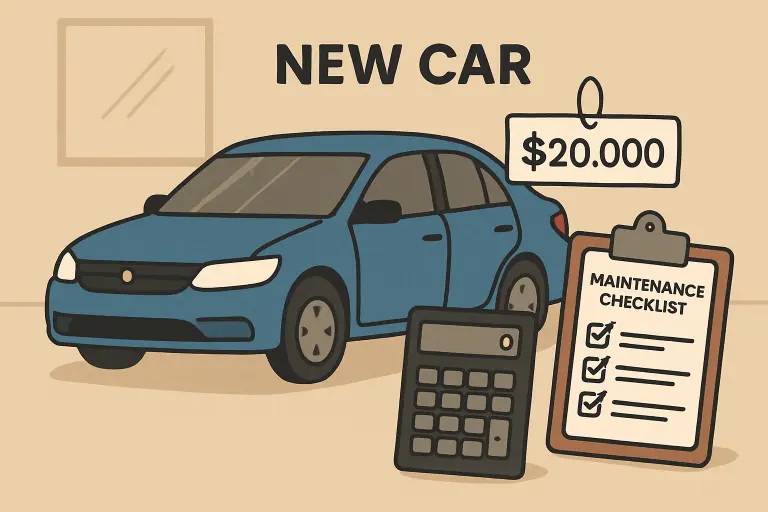
As car prices rise, traditional three or five-year loans are giving way to longer-term financing. In the first quarter of 2025, nearly 20 percent of financed new vehicles included 84-month terms. While this approach can make monthly payments more manageable, it comes at a cost. The longer the loan, the higher the total interest paid, and the slower the rate at which equity builds in the vehicle.
Extended loans can leave owners “upside down,” where the remaining loan balance exceeds the car’s market value. This situation carries risks if the vehicle needs to be sold or traded before the loan matures. Financial experts at the Consumer Financial Protection Bureau warn that while low payments are tempting, buyers should read the fine print and use auto loan calculators to understand the long-term implications.
Importance of Vehicle Maintenance
Ongoing care is critical in preserving your vehicle’s reliability, safety, and resale value. Scheduled maintenance, such as oil changes, brake inspections, and tire rotations, is vital but is increasingly costly. Over the past year, average maintenance expenses have risen by 15 percent, driven by higher prices for imported parts, labor shortages, and the advanced nature of today’s vehicles.
Skipping routine maintenance can lead to larger expenses down the line. Problems caught early are often much less expensive to fix. Practices such as following the manufacturer’s maintenance schedule and seeking certified mechanics for repairs can significantly extend your vehicle’s life and improve overall ownership satisfaction.
Technological Advancements in Car Buying
The car-buying process has undergone a digital transformation. Consumers now enjoy unprecedented access to vehicle specifications, history reports, and transparent market pricing online. Virtual showrooms, 360-degree tours, and digital purchasing platforms make it easier to search, compare, and even secure financing without setting foot in a dealership.
Technology has also increased transparency, helping buyers compare options easily and even skip dealer hassles by completing most steps online. Many dealerships and manufacturers provide instant financing options and online chat support, creating a more seamless experience for shoppers who want to research and buy at their own pace.
Consumer Behavior and Market Trends
Economic challenges are prompting consumers to keep their vehicles longer and invest more in repairs. Data from Arizona in 2023 showed an 11.26 percent rise in automotive repair spending, and this trend is reflected nationally as owners delay major purchases and focus on vehicle upkeep.
This shift highlights a growing emphasis on maximizing vehicle value, with many owners turning to scrap car buyers when their cars reach the end of their lifecycle. Buyers are seeking cars with a reputation for durability and low lifetime maintenance costs. The rise in demand for used and certified pre-owned cars is another indicator of changing consumer behavior amid economic pressure and persistent vehicle shortages.
Strategies for Affordable Car Ownership
- Budget Wisely: Calculate your full cost of ownership (including taxes, insurance, and maintenance), not just the purchase price.
- Explore Financing Options: Compare lenders, loan terms, and promotions to secure the best possible rate and minimize total interest paid.
- Prioritize Maintenance: Timely care can prevent expensive repairs and preserve your investment. Always follow manufacturer recommendations.
- Utilize Technology: Leverage online reviews, price comparison tools, and mobile apps to negotiate and plan smart purchases and maintenance schedules.
Conclusion
Today’s car-buying experience is dynamic and multi-layered, shaped by financial decisions, technological advances, and ongoing upkeep. By understanding how costs, financing, and maintenance intersect, buyers can streamline their purchase process, manage their budgets, and protect their ownership experience. The key to success is staying informed, planning, and using available resources to navigate the road to your next car with confidence.