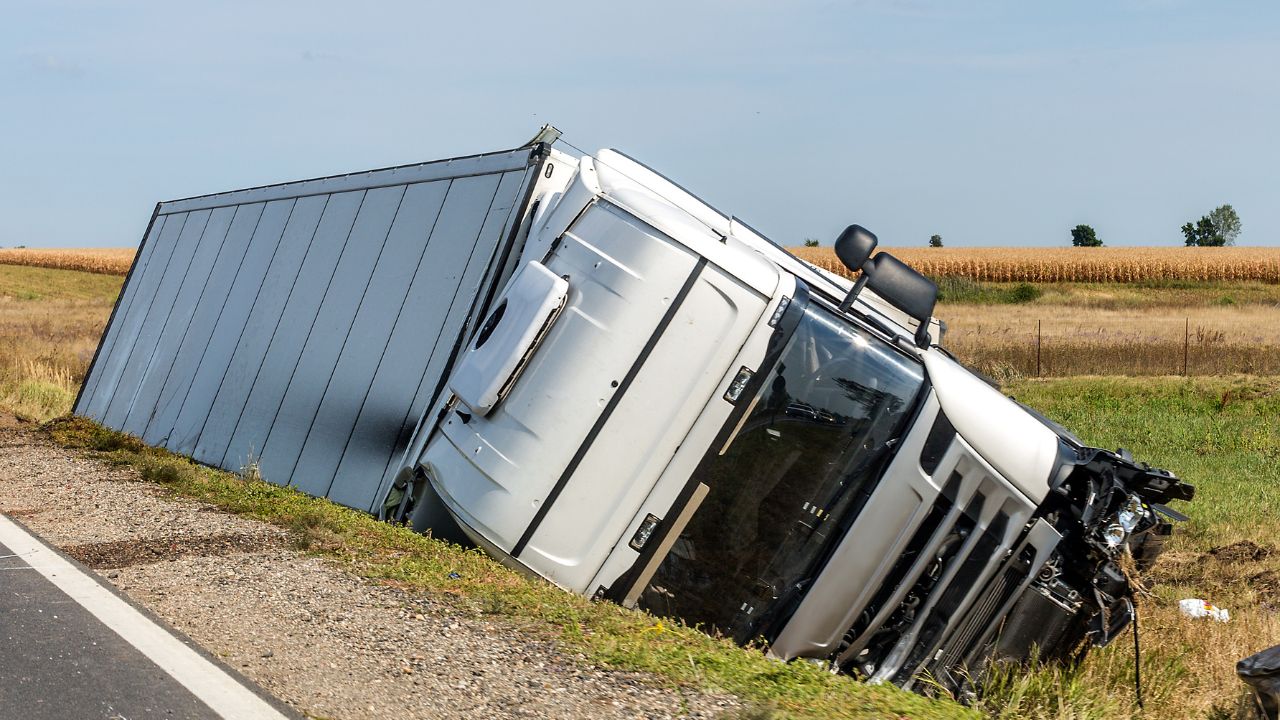

Large commercial trucks play a vital role in keeping goods moving across the country. Every day, thousands of trucks travel across highways transporting food, equipment, and essential supplies. While these vehicles are necessary for the economy, accidents involving them can be especially serious because of their size, weight, and operational complexity.
Understanding the most common causes of truck accidents can help drivers become more aware of potential dangers and encourage safer driving behavior when sharing the road with commercial vehicles.
Table of Contents
Driver Fatigue
Fatigue is one of the most frequently discussed factors in truck accidents. Long-distance trucking often requires drivers to spend extended hours behind the wheel. Even though regulations exist to limit driving hours, fatigue can still occur due to tight delivery schedules, long trips, or irregular sleep patterns.
Fatigue can affect:
- Reaction time
- Attention to road conditions
- Decision-making abilities
When drivers are tired, their ability to respond to sudden traffic changes decreases, which can increase the likelihood of collisions.
Improperly Loaded Cargo
The way cargo is loaded inside a truck plays an important role in vehicle stability. If cargo is not properly secured or balanced, it can shift during transit, creating dangerous situations. Learn more about falling cargo safety and how to prevent accidents. This shift may cause the truck to become unstable, especially during turns or sudden braking.
Improper loading can lead to dangerous situations such as:
- Jackknife accidents
- Truck rollovers
- Loss of vehicle control
Cargo loading is typically handled by specialized teams, and mistakes during this process can significantly increase accident risk.
Mechanical Failures
Commercial trucks travel long distances and experience heavy wear and tear. Mechanical failures can occur if regular maintenance is not properly performed.
Some common mechanical issues that contribute to accidents include:
- Brake system failures
- Tire blowouts
- Steering system malfunctions
- Faulty lighting or signals
Routine inspections and maintenance are critical to ensuring that trucks remain safe to operate on public roads.
Poor Weather and Road Conditions
Weather can create dangerous driving conditions for all vehicles, but trucks are particularly affected because of their size and weight. Rain, snow, ice, and strong winds can make it more difficult for trucks to maintain stability and control.
Slippery roads may increase stopping distances, while strong winds can push high-sided trailers off balance. Drivers must adjust their speed and driving behavior to account for these environmental conditions.
Distracted Driving
Distracted driving is not limited to passenger vehicles. Truck drivers can also become distracted by various factors such as mobile devices, navigation systems, or communication equipment.
Even a brief distraction can be dangerous when operating a vehicle that weighs tens of thousands of pounds. Looking away from the road for just a few seconds can prevent a driver from noticing sudden changes in traffic.
Speeding and Aggressive Driving
Because trucking companies often operate on strict delivery schedules, drivers may sometimes feel pressure to reach their destinations quickly. This pressure can lead to speeding or aggressive driving behaviors.
Driving at high speeds increases the difficulty of controlling large trucks and significantly lengthens stopping distances. When speeding is combined with heavy traffic or sudden obstacles, accidents can occur more easily.
Inexperienced Drivers
Operating a commercial truck requires specialized training and licensing. However, not all drivers have the same level of experience handling large vehicles in challenging road conditions.
New or inexperienced drivers may struggle with:
- Maneuvering large trailers
- Navigating tight turns
- Maintaining safe braking distances
- Managing vehicle stability on steep roads
Training and experience are essential to ensuring that truck drivers can safely handle the demands of the job.
Understanding Responsibility in Truck Accidents
Truck accidents often involve more complicated investigations than standard car crashes. Determining responsibility may require examining several factors, including driver behavior, vehicle maintenance records, cargo loading procedures, and compliance with safety regulations. Understanding truck accident liability can help clarify how multiple parties may share responsibility in a collision.
Because these cases can involve multiple parties and technical evidence, people involved in serious collisions sometimes seek guidance from professionals who focus on trucking cases, such as an Oklahoma Truck Accident Lawyer, to better understand how liability is determined and what steps may follow after an accident.
Safety Tips for Drivers Sharing the Road with Trucks
Drivers can reduce the risk of accidents by practicing safe habits when driving near commercial trucks.
Some helpful safety practices include:
- Avoid driving directly beside trucks for long periods
- Leave additional space when merging in front of trucks
- Be cautious when passing large vehicles
- Allow trucks extra room to brake and turn
- Stay visible in truck mirrors whenever possible
These simple precautions can make a significant difference in reducing the chances of dangerous encounters on the road.
Final Thoughts
Truck accidents often occur due to a combination of factors rather than a single mistake. Fatigue, mechanical issues, cargo problems, and environmental conditions can all contribute to dangerous situations.
By understanding these common causes, drivers can become more aware of potential risks and take steps to drive more safely around commercial trucks. Awareness and responsible driving from everyone on the road can help reduce the likelihood of serious accidents and create a safer environment for all travelers.