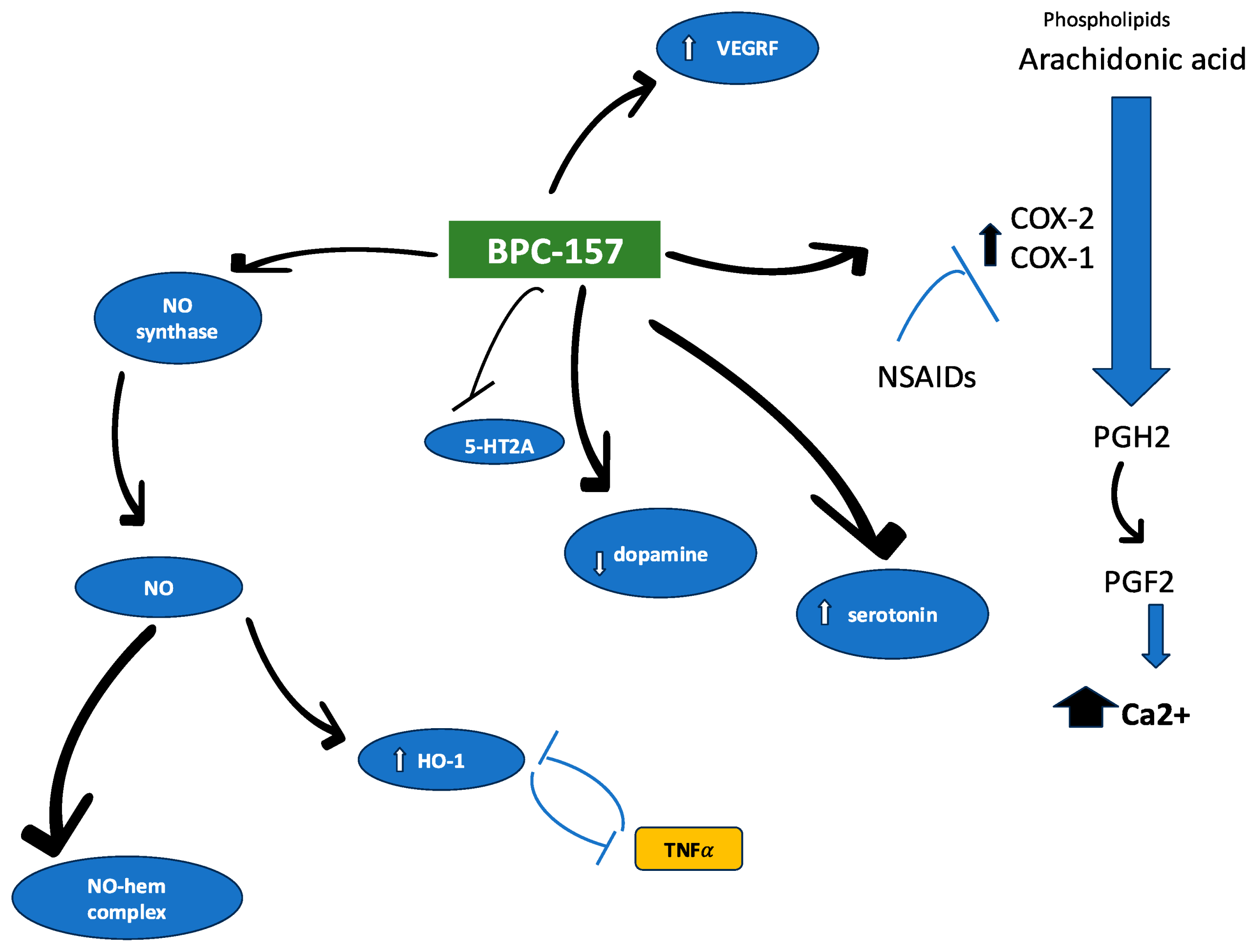
BPC 157 has become one of the most talked-about peptides in the field of wellness and recovery. As a synthetic compound derived from a naturally occurring protein in the human stomach, it has been studied for its potential to support healing, reduce inflammation, and improve overall health outcomes. Although research is still developing, early findings suggest that it may play a powerful role in regenerative processes, making it a subject of interest for athletes, health enthusiasts, and medical researchers alike.
One of the main reasons many people are exploring bpc 157 is its reported ability to assist in faster recovery and tissue repair. From sports-related injuries to digestive health concerns, this peptide is being examined for a wide range of potential applications. While it is not yet approved for widespread medical use, the ongoing research highlights how it could contribute to wellness by enhancing the body’s natural ability to heal and adapt.
Table of Contents
Understanding BPC 157 and Its Origins
BPC 157 stands for Body Protection Compound 157, a peptide consisting of 15 amino acids. It originates from a protein found in gastric juice, which helps protect and maintain the stomach lining. Researchers initially began studying it for gastrointestinal benefits but soon discovered its broader influence on healing and recovery. Laboratory studies suggest that BPC 157 may encourage angiogenesis, the growth of new blood vessels, which is vital for delivering oxygen and nutrients to injured tissues. By promoting cellular repair and reducing inflammation, it shows potential for a wide variety of wellness applications.
Potential Benefits for Healing and Recovery
The most widely recognized potential benefit of BPC 157 is its impact on musculoskeletal recovery. Research indicates that it may support the repair of tendons, ligaments, and muscles, making it especially appealing to athletes and individuals recovering from injuries. In addition, some studies suggest that it may accelerate bone healing after fractures. Beyond musculoskeletal repair, it has shown promise in protecting the digestive system, potentially helping with ulcers and inflammation in the gut. There is also emerging interest in its ability to protect the liver from toxins and assist in neurological recovery, though these applications require more evidence.
Applications in Sports and Active Lifestyles
Athletes and fitness enthusiasts often face injuries that can delay training and performance. Traditional recovery methods such as physical therapy and rest are effective but may take extended periods of time. BPC 157 is being studied as a possible complement to these approaches, with evidence suggesting it may shorten recovery times and enhance resilience against future injuries. While most of the evidence comes from animal studies, anecdotal reports from active individuals suggest benefits such as improved joint comfort and quicker recovery from muscle strain.
The Role in Digestive and Overall Wellness
Because BPC 157 originates from gastric proteins, it has natural links to digestive health. Studies show that it may help protect the gut lining and reduce inflammation in the digestive tract. This has led to interest in its potential use for conditions such as ulcers, inflammatory bowel issues, and other gastrointestinal concerns. Its role in supporting digestive health makes it a potential contributor to overall wellness, as gut health is closely tied to immunity, energy, and general quality of life.
Safety and Research Limitations
Although BPC 157 demonstrates exciting potential, it is important to note that most research has been conducted in animals. Human trials are limited, and long-term safety data is not yet available. As such, its use should be approached with caution, and individuals considering it should consult healthcare professionals before exploring supplementation. Some reports indicate minimal side effects, but without extensive clinical testing, it remains an experimental compound in terms of medical application.
The Future of BPC 157 in Wellness
The outlook for BPC 157 is promising as scientific research continues to expand. Potential applications range from supporting recovery in athletes to assisting individuals with chronic digestive or inflammatory conditions. If future studies confirm its effectiveness and safety in humans, it could become an important tool in regenerative and preventive medicine. The idea of a compound that supports the body’s natural healing processes aligns well with modern approaches to wellness and longevity.
Conclusion
BPC 157 is an emerging peptide with the potential to play a valuable role in wellness by supporting healing, protecting the digestive system, and aiding recovery. While research is still ongoing, its promising results in early studies have made it a key focus of interest in both sports and general health communities. Those interested in BPC 157 should keep informed about new research and seek professional guidance before use. With continued exploration, this peptide may become a groundbreaking addition to the future of health and wellness practices.