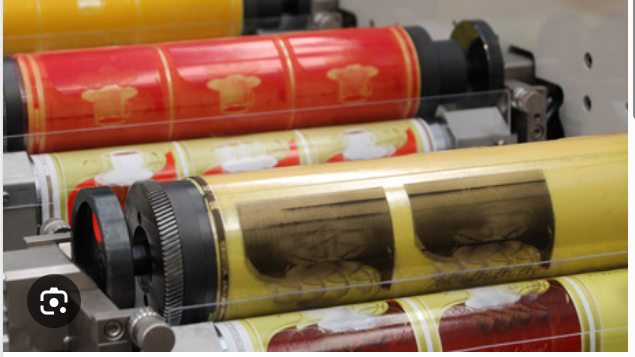
The demand for high-performance flexographic (flexo) inks is growing rapidly as they are critical to the success of the modern packaging and label industry. These specialized inks are formulated to meet the exacting demands of high-speed flexo presses, ensuring excellent print quality, durability, and compliance with stringent environmental and safety regulations. The market for flexo printing inks is projected to grow significantly, driven by the expanding flexible packaging sector and the rising demand for sustainable solutions.
Table of Contents
The Critical Role of High-Performance Flexo Ink Supplier
Flexography is a printing process that uses flexible relief plates to transfer ink onto a wide range of substrates, including paper, plastic films, foil, and corrugated board. This method is highly versatile and cost-effective, making it the go-to choice for high-volume printing of packaging and labels. However, the quality of the final product is heavily dependent on the ink used. High-performance flexo ink supplier is specifically engineered to provide:
- Exceptional Print Quality: They deliver sharp, vibrant colours and high-resolution images, essential for brand recognition and consumer appeal.
- Durability: These inks are formulated to withstand the rigours of the supply chain, resisting fading, smudging, scuffing, and chemical exposure.
- High-Speed Performance: High-performance inks are designed to dry quickly, allowing for faster press speeds and improved productivity.
- Substrate Adhesion: They offer superior adhesion to both porous and non-porous materials, ensuring the ink stays on the substrate, even under stress.
The success of a brand’s packaging often hinges on these characteristics, making the selection of a high-performance ink a strategic decision.
Types of High-Performance Flexo Inks
The flexo ink market is broadly categorised into three main types, each with unique properties and applications.
1. Water-Based Ink
Water-based inks are gaining significant popularity due to their low volatile organic compound (VOC) emissions, making them an environmentally friendly and safer alternative to solvent-based inks. They are primarily used on porous substrates like paper and corrugated cardboard for applications such as food packaging, disposable cups, and paper bags. Recent innovations have improved their performance on non-porous films, with new formulations offering better colour density, lamination strength, and faster drying times, even at high press speeds.
Key Characteristics
1. Low VOCs: Reduces air pollution and workplace health risks.
2. Odour-Free: Ideal for food packaging where odour migration is a concern.
3. Easy Cleanup: Water-based inks are easy to clean from printing equipment, reducing downtime.
2. Solvent-Based Inks
Solvent-based inks have long been a staple in the flexo industry, especially for printing on non-porous flexible films like polyethene, polypropylene, and PET. Their fast-drying nature and excellent adhesion properties make them ideal for high-speed printing on plastic films for products such as snack bags, shrink sleeves, and industrial films. While they contain higher levels of VOCs, advancements in technology have led to the development of more sustainable solvent systems.
Key Characteristics
1. Rapid Drying: Allows for extremely fast press speeds.
2. Superior Adhesion: Provides excellent rub and scratch resistance on challenging substrates.
3. Vibrant Colours: Delivers high colour intensity and resolution.
3. Energy-Curable Inks (UV and EB)
Energy-curable inks, including UV-cured (Ultraviolet) and EB-cured (Electron Beam) inks, are a rapidly growing segment. These inks do not dry through evaporation but cure instantly upon exposure to a specific energy source (UV light or an electron beam). This instant curing allows for immediate post-press processing and offers exceptional durability. They are free from VOCs, making them an eco-friendly option, and are particularly well-suited for high-end labels, shrink sleeves, and flexible food packaging.
Key Characteristics
1. Instant Curing: Eliminates the need for traditional dryers, saving energy and increasing production speed.
2. Exceptional Durability: Highly resistant to scuffing, chemicals, and abrasion.
3. Low Migration Potential: EB inks, in particular, are favoured for food packaging due to their lack of photoinitiators and low migration risk.
The Future of Flexo Inks: Sustainability and Innovation
The flexo ink industry is in a constant state of evolution, driven by two primary forces: environmental regulations and technological advancements.
1. Environmental Compliance
Regulatory bodies worldwide, such as the EPA, are enforcing stricter rules on VOC emissions and the use of hazardous chemicals. It has pushed the industry toward more sustainable alternatives like water-based and energy-curable inks. Brand owners are also demanding inks that are deinkable, recyclable, and compostable to meet their own sustainability goals and consumer expectations.
2. Technological Advancements
Innovations in flexo ink Supplier technology are focused on improving performance and expanding application possibilities. It includes developing inks with higher pigment concentration for better colour density, creating formulations that work seamlessly with high-resolution anilox rollers and plates, and designing inks for hybrid printing presses that combine flexo with digital technology. The goal is to deliver an end product that rivals the quality of gravure and offset printing while maintaining the speed and cost-efficiency of flexo.
FAQs
Q: What makes high-performance flexo inks important for packaging and labels?
High-performance flexo inks ensure sharp print quality, durability, fast drying, and strong adhesion, all critical for producing attractive, long-lasting packaging and labels.
Q: What are the main types of high-performance flexo inks?
The three main types are water-based inks, solvent-based inks, and energy-curable inks (UV and EB), each suited for different substrates and environmental needs.
Q: Why are water-based flexo inks considered environmentally friendly?
Water-based inks have low volatile organic compound (VOC) emissions, are odour-free, and easy to clean, making them safer for both the environment and food packaging applications.
Q: How do energy-curable flexo inks differ from traditional inks?
Energy-curable inks cure instantly under UV or electron beam exposure without evaporation, offering faster production, exceptional durability, and no VOC emissions.
Q: What trends are shaping the future of flexo ink suppliers?
Sustainability regulations and technological innovations like higher pigment concentration, compatibility with hybrid presses, and eco-friendly formulations are driving the flexo ink industry forward.