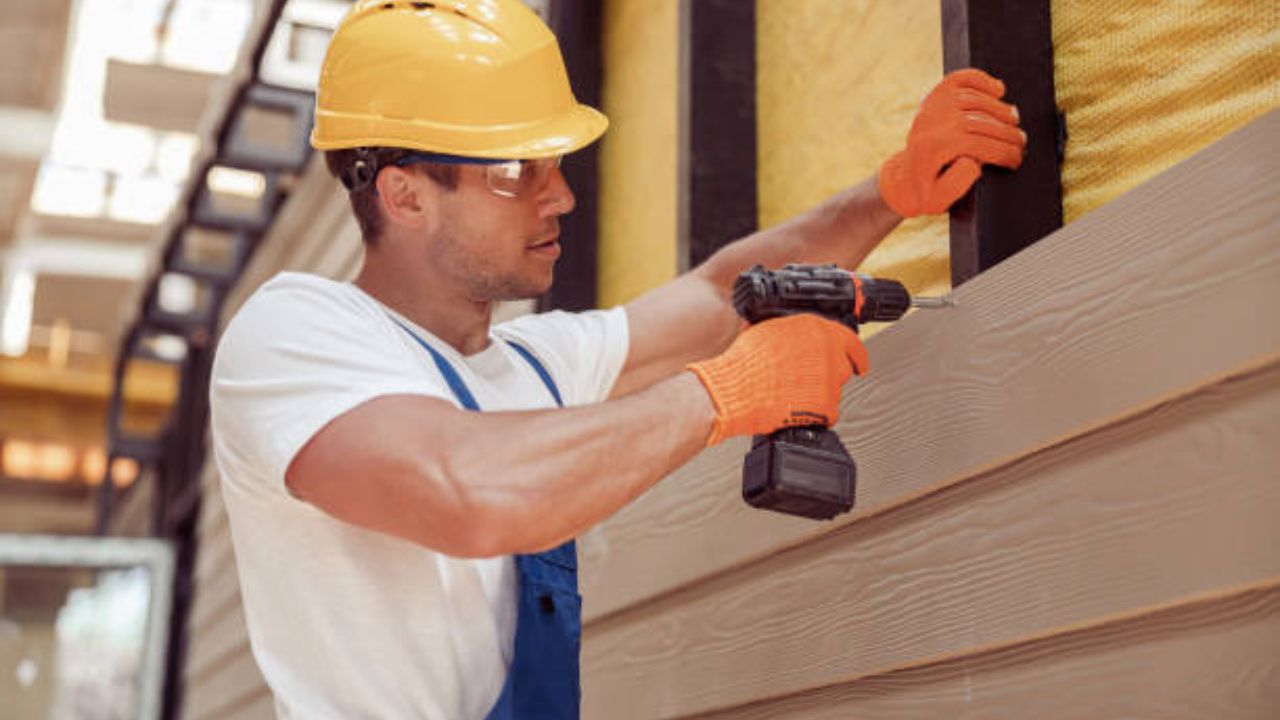

When homeowners think of energy efficiency, their minds often wander to double-paned windows, solar panels, or advanced heating systems. But there’s another player in the game that’s equally significant but often overlooked: home siding. The right siding can be instrumental in maintaining indoor temperatures, reducing energy bills, and minimizing the carbon footprint of a household. If you’ve ever consulted with a Brookfield siding contractor, they might have emphasized this crucial aspect. Let’s delve deeper into the vital role siding plays in energy efficiency.
Table of Contents
How Siding Impacts Energy Efficiency
Thermal Bridging and Its Impact
In simple terms, thermal bridging occurs when there’s a direct connection between the inside and outside of your home through materials that are poor insulators. Siding can act as an insulator, reducing the effects of thermal bridging, ensuring that there’s no unnecessary heat transfer.
Moisture Control
Proper siding prevents moisture from entering the home. Moisture can compromise insulation, making your heating or cooling systems work harder. Good siding acts as a barrier, ensuring that insulation remains dry and effective.
Reflecting Sunlight
Certain sidings are designed to reflect more sunlight, preventing the home from heating up too much during sunny days. This phenomenon, known as the solar reflectance index (SRI), can significantly reduce cooling costs in the summer.
Types of Energy-Efficient Siding
Vinyl Siding
Modern vinyl siding comes with insulation materials attached to the back, making it a popular choice for those focused on energy efficiency. It’s also relatively affordable and comes in a variety of styles and colors.
Fiber Cement Siding
Fiber cement siding is thick and acts as an excellent insulator. It’s made from a blend of cement, sand, and cellulose fibers, providing durability and resistance against the elements.
Wood Siding
Natural wood acts as a decent insulator. However, it requires more maintenance to keep its insulating properties optimal. Regular sealing and protection against pests are crucial.
Metal Siding with a Thermal Break
While metal on its own is a poor insulator, some metal sidings are designed with a thermal break – a reinforced barrier that separates the exterior metal from the interior metal, reducing heat transfer.
Enhancing Siding for Optimal Energy Efficiency
House Wrap
Before installing siding, many contractors recommend a house wrap. This thin, protective barrier adds an additional layer of insulation and prevents air and moisture infiltration.
Rigid Foam Insulation
Another layer you can add beneath your siding is rigid foam insulation. It offers a high R-value (a measure of insulation’s effectiveness) and can improve energy efficiency drastically.
Opt for Lighter Colors
Darker colors absorb more heat. If you’re living in a predominantly warm climate, opt for lighter-colored siding. It will reflect more sunlight and keep your home cooler.
Final Thoughts
While many homeowners might choose siding based purely on aesthetics, its role in a home’s energy efficiency is undeniable. Before making a decision, it’s essential to consider both the immediate visual appeal and the long-term benefits in terms of energy savings.
By discussing your needs and preferences with a Brookfield siding contractor, you can ensure that you make a choice that’s both appealing and beneficial in the long run. Remember, every element of your home works in tandem. Your siding can either be a weak link or a powerful ally in your home’s energy efficiency journey. Choose wisely, and your wallet – and the planet – will thank you!