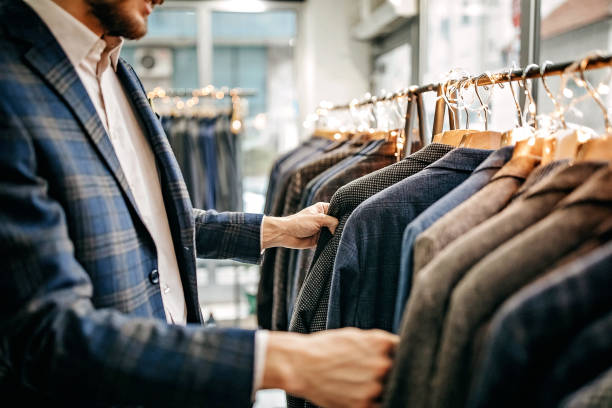
When you step out each day, your wardrobe does more than shield you from the elements; it communicates who you are to the world before you even say a word. Clothing is a vital form of self-expression and social signaling, but its influence doesn’t stop at personal identity. It affects mood, how others treat us, and even the broader environment. Early choices, such as selecting fabrics, fits, and styles, support confidence, connect with values, and shape our public image. Modern consumers are increasingly turning to sustainable fashion as awareness grows about the deeper implications of everyday wardrobe decisions.
Outward appearances aren’t as superficial as they seem. The garments you select carry social significance, contribute to changing environmental patterns, and can become an astute reflection of your ethics and priorities. Fashion is both a personal and a collective act, with consequences for the wearer and the wider community. Emerging research highlights just how powerful our clothing choices are, even down to subtle impacts on our thoughts, feelings, and behaviors.
Table of Contents
The Psychology Behind Clothing Choices
Clothing strongly influences human psychology in a phenomenon called “enclothed cognition.” Garments don’t just adorn the body they affect how we think and feel. For example, donning business attire can boost self-assurance, while wearing comfortable, well-fitting clothes can foster feelings of contentment and capability. This effect can be especially pronounced when outfits align with personal values and aspirations.
Studies published by Psychology Today indicate that dressing in a way that matches how we want to see ourselves enhances mood and sparks a sense of empowerment. Beyond internal effects, clothing also signals our intentions to others, helping build trust, authority, or approachability depending on the context.
First Impressions and Social Perception
Humans instinctively assess others based on visual cues, and attire is a primary factor in forming those vital first impressions. Whether you’re attending a job interview, a social function, or meeting someone for the first time, the clothes you choose serve as a nonverbal introduction. Researchers at the BBC have found that people attribute higher levels of professionalism, competence, and sociability to those wearing thoughtfully chosen outfits.
This process isn’t always fair, but it is powerful well-maintained, purpose-appropriate attire often leads to more positive judgments in social and professional settings. A neat, polished wardrobe can open doors, while disheveled or inappropriate attire may lead to missed opportunities and misinterpretation.

Environmental Impact of Fashion Choices
The shadow side of the fashion industry is its massive resource consumption and pollution. Rapid fashion cycles and disposable garments contribute to overflowing landfills, chemical runoff, and carbon emissions. The shift toward mindful consumption, buying fewer, higher-quality items, and supporting responsible brands can ease this strain on the planet.
Documentaries such as National Geographic’s coverage of fashion’s environmental impact delve into the consequences of unchecked production. Emphasizing responsible consumer practices not only reduces waste but also improves working conditions throughout the supply chain.
Building a Sustainable Wardrobe
Sustainable fashion is about making conscious, lasting choices rather than following fleeting trends. Instead of fast fashion purchases, consider timeless cuts and colors that mix and match across seasons, or explore fresh summer outfit ideas that combine style with versatility. Thrifting and clothing swaps are increasingly popular ways to find unique pieces while extending garment life and reducing waste. Properly caring for your wardrobe, like air-drying, gentle washing, and occasional repairs, adds years to each piece.
Consumers can further minimize their footprint by supporting ethical labels and exploring top clothing brands that prioritize organic materials and transparent labor practices. Even small efforts, such as planning outfits to maximize repeats or upcycling older clothes, have a meaningful cumulative impact.
Clothing and Personal Identity
What you wear says more about you than you may realize. Personal style is a dynamic aspect of self-expression that reflects culture, mood, milestones, and identity, whether expressed through tailored pieces or trending plus-size dresses. When your clothing choices are authentic, they become a form of self-care, bolstering confidence and revealing your genuine self to the world.
Aligning external appearance with internal values has well-documented benefits. As you refine your wardrobe, you reinforce self-awareness and signal a sense of purpose traits linked with higher levels of happiness and well-being.
Practical Tips for Mindful Dressing
- Prioritize investment in timeless, high-quality pieces that suit your style and endure changing trends.
- Ensure your clothes fit well and feel comfortable, so they boost your confidence naturally.
- Choose materials that are recyclable, biodegradable, or made by ethical brands committed to sustainability.
- Care for your clothing with attention, from gentle cleaning routines to thoughtful storage.
- Stay aware of what your attire communicates and adapt it to your setting, whether professional, social, or casual.
Conclusion
Your attire wields influence far beyond aesthetics. It shapes your confidence, informs the impression you leave on others, and steers the environmental health of our planet. By making intentional, mindful choices about what you wear, you invest not only in your own success and comfort but also in a broader, better future for the world around you.