
Table of Contents
Introduction
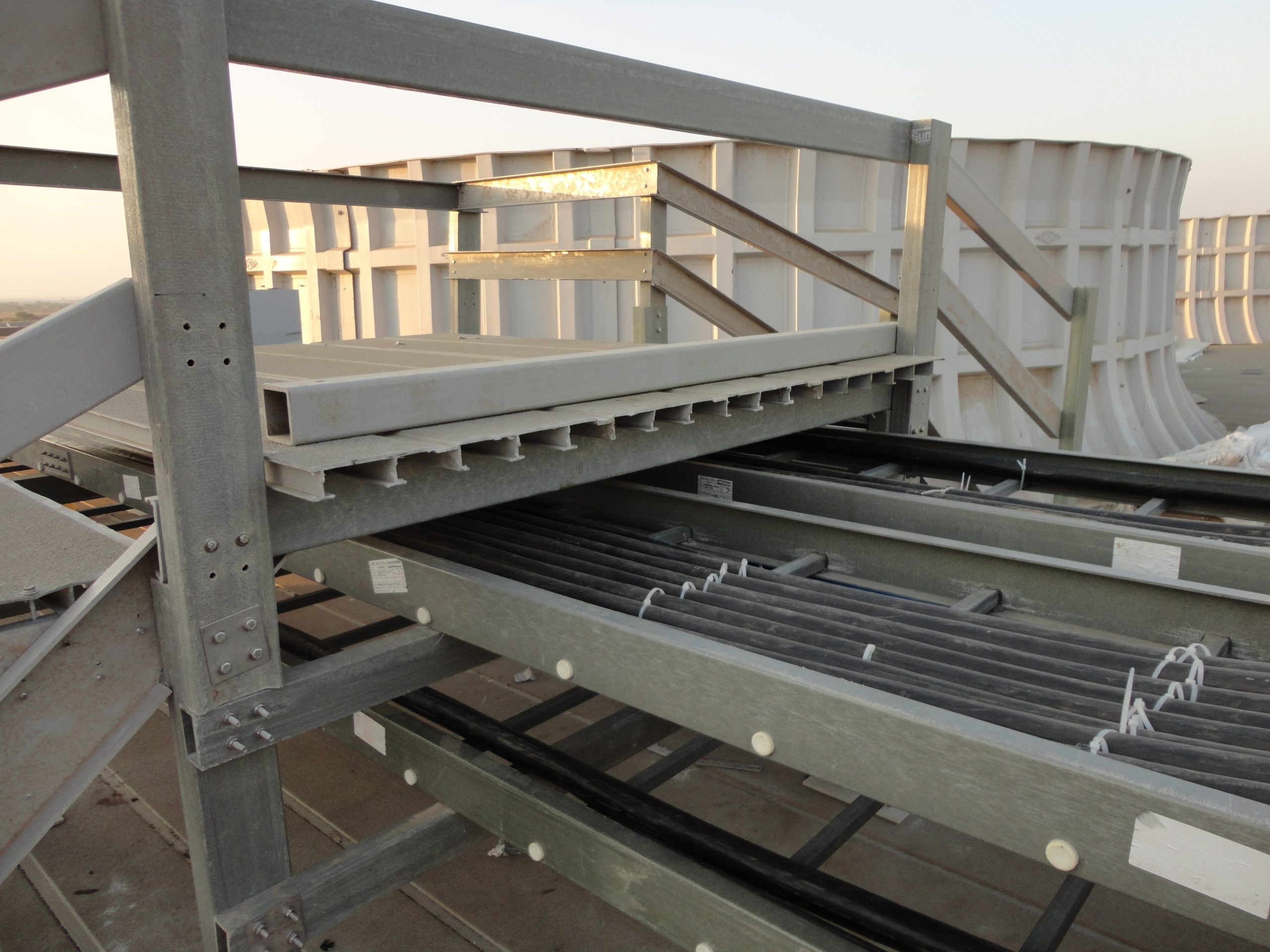
FRP walkways provide safe, durable, and non-slip access in industrial, commercial, and corrosive environments. They are widely used in chemical plants, offshore platforms, water treatment plants, and power stations. These structures can withstand heavy loads, adverse weather, and chemical exposure both indoors and outdoors.
FRP walkways can be built using two methods: pultrusion construction or a molding process where glass fibres reinforce a polymer matrix (commonly polyester or vinyl ester resin). This creates a lightweight composite with excellent mechanical properties, high corrosion resistance, long service life, and low maintenance needs.
Tips for Selecting the Best FRP Walkways Manufacturer
Before choosing an FRP walkways manufacturers, buyers should check the company’s official website and gather details online. Look for certifications, available FRP products, service quality, and after-sales support or maintenance.
Consider the manufacturer’s industrial experience, expertise, and global certifications such as ISO, ASTM, and OSHA. A proven record of handling large industrial projects shows reliability and capability in completing complex tasks.
Also, evaluate the raw materials used. The type of resin and fiberglass directly affects the durability and resistance of the walkway. Reliable manufacturers provide documented customization options, responsive customer service, and reasonable warranty coverage. Finally, review client feedback and project case studies to ensure long-term investment value.
Good Manufacturing Practices for FRP Walkways Manufacturers
A responsible FRP walkways manufacturer should follow good manufacturing practices (GMP) to ensure product safety, quality, and performance. They must use certified raw materials such as corrosion-resistant resins, high-strength fiberglass, and quality accessories.
Strict quality control should be applied at every stage—mixing, laying-up or pultruding components, and finishing them according to building codes. Clean and well-organized facilities improve production safety and prevent contamination.
Manufacturers must also maintain their equipment, track raw materials, and follow environmental health and safety protocols. These practices lead to predictable, reliable products while building customer trust and meeting international regulations.
Conclusion
FRP walkways are essential for industries that require stable, durable, and low-maintenance surfaces in tough environments. Their production involves advanced technology using anti-corrosion resins and strong glass fibres, which enhance tensile strength and structural stability.
When purchasing FRP products, buyers should select a reputable FRP walkways manufacturer that follows strict quality standards and good manufacturing processes. This ensures the walkway meets safety and operational requirements while maximizing workplace safety and long-term investment value.