Key Takeaways
- Insurers can only cancel your policy for certain reasons, such as non-payment or misrepresentation.
- Notice periods and valid reasons for cancellation are determined by state laws and may differ across the country.
- Policyholders have the right to contest cancellations and seek guidance from state departments of insurance.
- Distinguishing cancellation from non-renewal is crucial for understanding your options and next steps.
- Taking proactive steps can reduce your risk of cancellation and keep your coverage uninterrupted.
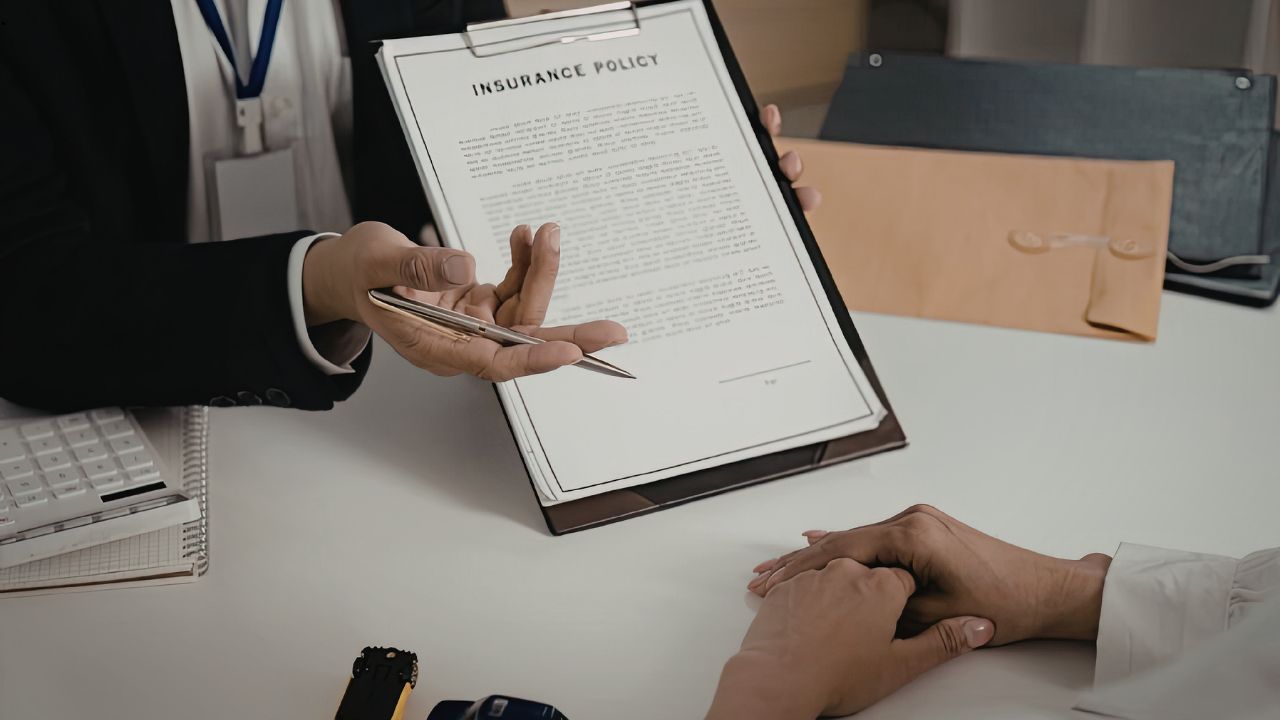
Insurance coverage is critical for protecting what matters most, from your home and car to your health and business. However, many people wonder under what circumstances their insurer can actually cancel their policy. Knowing the rules can help you avoid losing coverage unexpectedly, and understanding why insurance companies cancel policies is essential to staying protected.
Consumers often assume that insurance, once secured, remains in effect as long as premiums are paid. In reality, insurance providers are allowed to cancel policies under certain strict conditions set by state regulation. Navigating these rules requires some awareness of your rights and responsibilities.
This guide explores the most common reasons insurers may cancel your policy, the differences between cancellation and non-renewal, and what to do if you ever face a cancellation notice.
Whether you are a first-time policyholder or want to maintain consistent coverage, understanding these factors will help you make informed decisions and avoid serious gaps in protection.
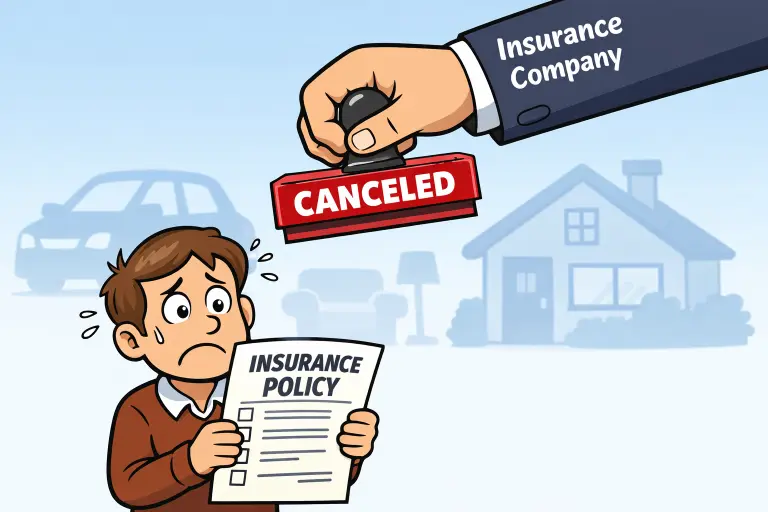
Table of Contents
Common Reasons for Policy Cancellation
Insurance companies are required to follow regulatory guidelines when determining whether to cancel an insurance policy. While specific reasons may differ between jurisdictions and policy types, there are some key scenarios where cancellation is possible:
- Non-Payment of Premiums: Failing to pay your premium by the due date is the leading cause of policy cancellation. While some grace period is often provided, continued non-payment means your policy will be terminated.
- Fraud or Misrepresentation: Providing incorrect details, whether during the application process or when submitting a claim, can result in immediate cancellation. Honesty throughout all your insurance communications is vital.
- Increased or Undisclosed Risk: Significant changes that heighten risk, such as major home renovations, adding high-risk features, or failing to report new drivers, may trigger cancellation if not disclosed promptly to the insurer.
- Violation of Terms: Breaking policy terms, like using your vehicle for commercial purposes when it is covered only for personal use, can make you ineligible for continued coverage.
For more on how insurer decisions are governed and common cancellation triggers, see BrokerLink’s guide to insurance cancellation.
State Regulations and Notice Periods
State laws play a crucial role in determining how and when an insurance company may cancel your policy. Generally, once a policy has been active for a set period (typically 60 days), an insurer is only permitted to cancel for specific reasons like non-payment, proven fraud, or significant increased risk.
Insurers are required to provide a notice period before cancellation, a minimum of 30 days in many states, giving the policyholder time to address any issues or to seek a replacement policy. Every state insurance department provides detailed explanations of these consumer rights, and some, like New York, offer extensive consumer resources. For additional reference, visit the National Association of Insurance Commissioners’ consumer resource.
Differences Between Cancellation and Non-Renewal
Policyholders sometimes confuse policy cancellation with non-renewal, but the distinction matters. Cancellation is the termination of your coverage before the policy’s natural expiration date, often for infractions or increased risk. In contrast, non-renewal occurs when the insurer decides not to extend your policy at the end of its term.
Non-renewals can stem from many factors, not limited to your personal conduct. Sometimes an insurance company may exit a particular market or change its business model. Other factors, such as your claims history or significant changes in risk profile, can also prompt a non-renewal decision.
Preventing Policy Cancellation
Taking proactive steps reduces your chances of facing a cancellation notice. Here are some actions policyholders should consider:
- Make Premium Payments on Time: Set up reminders or auto-pay to avoid missing payments.
- Maintain Accurate Records: Always provide truthful, up-to-date information during the application and whenever changes occur in your circumstances.
- Mitigate Risks: Reducing risks can help you avoid policy cancellation and keep your coverage active. Businesses in particular should understand the basics of business insurance essentials to make sure they stay properly protected and compliant with policy terms.
- Review Policy Term Details Regularly: Stay informed about your insurer’s requirements and notify them promptly about any significant changes.
What to Do If Your Policy Is Canceled
If you receive a cancellation notice, do not panic. Instead, take these important steps:
- Contact Your Insurance Company: Ask for the detailed reason for cancellation. Clarify if you can resolve the issue or if reinstatement is possible by correcting the infraction or paying overdue premiums.
- Seek Immediate Alternative Coverage: Shop for new policies without delay to prevent a lapse in protection, which can result in higher premiums in the future and leave you exposed to uncovered risks.
- Consult your state insurance department to understand your rights and possible next steps after a cancellation notice. If you are struggling with rejected claims or coverage disputes, this guide on claim denial help can help you understand what actions to take next.
- Document All Communication: Keep detailed records of your interactions with your insurer, as these may be crucial if there is any dispute or appeal process.
Conclusion
Although insurance companies are permitted to cancel policies under strict circumstances, understanding these situations and staying proactive is the key to maintaining seamless coverage. Responsible policy management, full disclosure, and prompt handling of payments can help you stay protected year after year. If you do face a cancellation, know your rights, act quickly, and use credible resources for assistance so that you never go without the insurance protection you need.