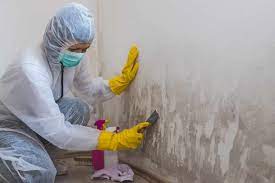
Mold testing can be a tricky process, but it doesn’t have to be. With the help of DIY mold kits, you can test your home or workspace for mold in a quick and cost-effective way.
DIY mold kits are not only convenient, they also allow you to take control of the situation and know exactly what’s going on with your home. However, before investing in a DIY mold kit there are some pros and cons that need to be taken into consideration.
In this article we’ll look at the advantages and disadvantages of using these types of kits so that you can make an informed decision about whether or not this is the best option for you.
Table of Contents
Cost
If you’re looking to save some money on mold testing, DIY kits may be the way to go – but it’s important to weigh the cost!
On one hand, DIY kits are incredibly cost-effective and can save you a significant amount of money compared to professional testing. However, it’s important to understand that there are limitations with DIY kits that make them less accurate than professional testing.
For instance, DIY kits have limited detection abilities which may not provide an accurate assessment of the levels of mold in your home. Additionally, they often require more time and effort for sampling and lab analysis which can add costs down the line. It’s essential to consider all these factors when deciding whether or not a DIY kit is worth the cost.
Convenience is another factor to consider when weighing up the pros and cons of using a DIY mold test kit. While they may be cheaper than hiring professionals, they also come with their own set of time-consuming processes that must be followed if you want accurate results.
Convenience
You’ll find that these kits offer a great deal of convenience, allowing you to skip the hassle of having to hire an expert. With DIY mold testing kits, you can perform mold tests in your own home and avoid the time-consuming process of scheduling appointments with experts.
These kits are also easy to use and give you the power to take charge of your own environmental health. The time savings alone make them attractive for those who don’t want to wait for results from a third party service provider.
In addition, since they’re relatively inexpensive compared to professional services, DIY testing kits provide an efficient way to detect any potential problems without breaking the bank. They allow homeowners and renters alike to quickly determine if their living space has elevated levels of mold or other indoor air pollutants that could be causing health issues.
Plus, many companies offer detailed instructions and helpful support when it comes time for analysis or interpretation of results, so there’s no need to worry about being overwhelmed by the process.
Accuracy and Reliability
The accuracy and reliability of DIY testing kits is quite impressive, with some companies boasting a 99% success rate. DIY mold testing kits are incredibly useful when it comes to determining if and what kind of mold are present in the home, as well as the amount of airborne spores.
This helps homeowners stay on top of potential health risks as well as comply with regulatory compliance standards for their area. In particular, DIY mold testing kits offer accurate results within 24-48 hours, easy to understand instructions that anyone can follow, and results that are comparable to professional lab tests.
DIY testing kits provide a reliable way for homeowners to accurately assess their environment without having to hire a professional service or wait an extended period of time for results. With this information at hand, they can make informed decisions about how best proceed in dealing with any findings.
Timeframe for Results
Receiving results in as little as 24-48 hours, DIY testing kits provide an expedient way to gain insight into potential mold infestations. This can be a great benefit for those who are looking to save time and avoid the labor intensive process of hiring a professional.
Home testing kits eliminate the need for waiting days or even weeks for results, allowing individuals to take action quickly if necessary. However, it is important to remember that while these tests may give users an idea of what they’re dealing with, they do not always provide reliable data on their own.
A professional should still be hired to confirm any results from a home test kit and assess the extent of the issue before deciding how best to move forward. Therefore, DIY mold testing kits can offer convenience but should not be used as a substitute for thorough evaluation by a trained expert.
Environmental Impact
Seeing mold in your home can be concerning, and it’s important to understand the potential environmental impact of a possible infestation.
DIY mold testing kits can help you assess air quality and water contamination quickly and accurately.
If left untreated, an infiltration of mold spores can lead to respiratory problems for inhabitants, as well as damage to the structure of your home.
The presence of toxic molds could also increase the risk of health issues in infants or those with already compromised immune systems.
Environmental concerns don’t end there either; mold can cause wood rot if left unchecked, leading to further structural damage over time.
It’s also important to consider how long it takes for results from DIY tests to come in – if more than a few days have passed since the initial inspection, you may need to call in an expert who can provide more comprehensive testing solutions that will detect any hidden signs of growth.
Safety Considerations
When inspecting your home for potential environmental hazards, it’s important to take safety into account – after all, you wouldn’t want to put yourself in harm’s way. DIY mold testing kits can be a good tool when used with proper safety precautions.
Here are a few key items to consider:
1. Wear the necessary protective gear such as gloves, masks, and eye protection while collecting samples or handling any materials from the test kit.
2. Read and follow any instructions that come with the kit carefully in order to properly collect and store samples.
3. Have an emergency exit plan should you experience symptoms of overexposure while conducting the tests.
By taking proactive preventative steps towards health hazards like mold, DIY mold testing kits can be an effective option when used with caution and care.
With prudent safety measures taken during each step of the process, you can protect yourself while getting closer to identifying any possible sources of contamination within your home environment.
Conclusion
You’ve weighed the pros and cons of using a DIY mold testing kit and now it’s time to make your decision.
On one hand, DIY kits are affordable and convenient. On the other, they may not be as reliable or accurate as professional testing services. Plus, you need to factor in the timeframe for results, safety considerations, and environmental impact.
In the end, it boils down to what works best for you—but don’t forget to consider all angles before making your final call! By carefully considering these factors beforehand, you can ensure that your decision is well-informed – an essential component of any successful endeavor.