Key Takeaways
- Oral health is essential to overall health and well-being.
- Daily brushing, flossing, and proper dental tools help prevent tooth decay and gum disease.
- A balanced diet and good hydration strengthen teeth naturally.
- Avoiding tobacco protects against serious oral health risks.
- Regular dental visits catch issues early and support long-term oral health.
Prioritizing your oral health benefits more than just your smile; it’s essential for overall wellness. Mouth health is closely linked to your body systems, making dental care essential for long-term health. Good oral hygiene prevents cavities and gum disease, supports digestion, lowers risks of diseases like cardiovascular issues and diabetes, and boosts confidence. It also improves speech, chewing, and comfort. Learning effective oral care practices is crucial for lifelong dental health. To start, find a dentist that is in your network and follow the strategies below to improve your health, inside and out.
With diseases like diabetes and heart conditions linked to oral health, daily care and regular dental visits are crucial. Medical professionals recognize that oral infections can spread throughout the body, underscoring the role of oral health in overall wellness. Now is a good time to evaluate habits, make better choices, and build a healthy future. Taking control of your oral health may reduce risks of serious complications and lead to a happier, more energetic life. Here are tips to help protect your smile for years to come.
Table of Contents
Brush and Floss Regularly
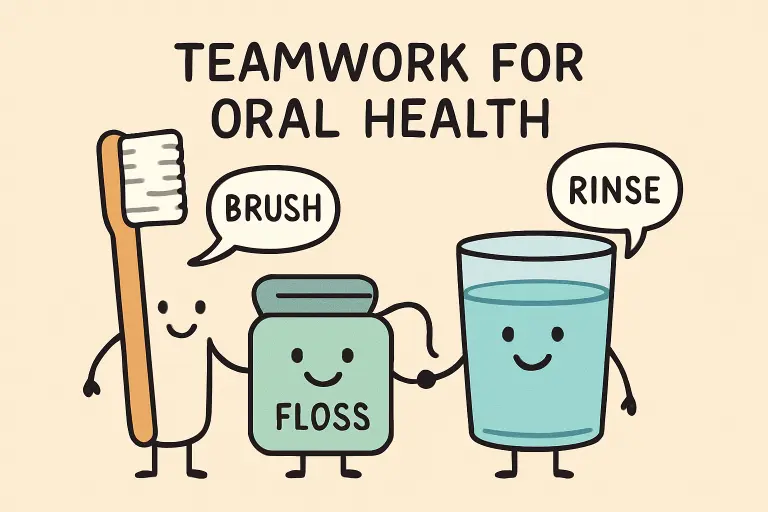
A strong oral care routine relies on regular brushing and flossing. Brushing twice a day with fluoride toothpaste helps eliminate plaque, the main cause of decay and gum problems. Use circular motions and be gentle at the gumline, brushing for about 2 minutes. Floss daily to remove debris and bacteria from between your teeth, reducing the risk of gum disease and cavities. Using the correct technique also prevents gum injuries. Consistently practicing these habits lays the groundwork for lasting oral health and helps avoid expensive dental treatments.
Use the Right Tools
Your choice of oral care products impacts your dental health. Not all toothbrushes and flosses are equal, and the right tools can improve the effectiveness and comfort of your routine. Use a soft-bristled toothbrush to gently clean teeth without damaging enamel or gums. Electric toothbrushes often provide a more thorough cleaning and can reduce plaque better than manual brushes for some people. Replace your toothbrush or head every 3 to 4 months, or when the bristles fray, as worn bristles clean less effectively and may harbor bacteria. Consider floss, dental picks, or water flossers to suit your needs. Choosing suitable equipment makes daily dental care easier and more efficient.
Maintain a Balanced Diet
What you eat influences the health of your teeth and gums more than you might think. A balanced diet isn’t just good for your body; it also helps strengthen your teeth and defend against tooth decay and gum disease. Limit sugary and acidic foods, which can erode tooth enamel and create an ideal environment for cavities to form. Snacks and beverages like soda, candy, and citrus can weaken your teeth if consumed excessively. Instead, focus on foods rich in calcium and phosphorus to help remineralize and strengthen teeth. Crunchy fruits and vegetables like apples and carrots not only provide essential nutrients but also help mechanically clean your teeth as you chew them. Stay hydrated by drinking water throughout the day, which helps wash away food particles, neutralize acids, and keep your mouth’s natural defenses working optimally.
Avoid Tobacco Products
Using tobacco is one of the most significant risk factors for gum disease, oral cancer, and tooth loss. The chemicals in cigarettes, cigars, and smokeless tobacco irritate your gums, limit blood flow to oral tissues, and create an environment where harmful bacteria can thrive. Quitting tobacco provides quick and long-term benefits, including fresher breath, improved healing of oral tissues, a brighter smile, and a lower risk of severe oral and general health issues. It also decreases the likelihood of developing mouth sores, tooth loss, and the need for treatments like dental implants later in life.
Regular Dental Check-Ups
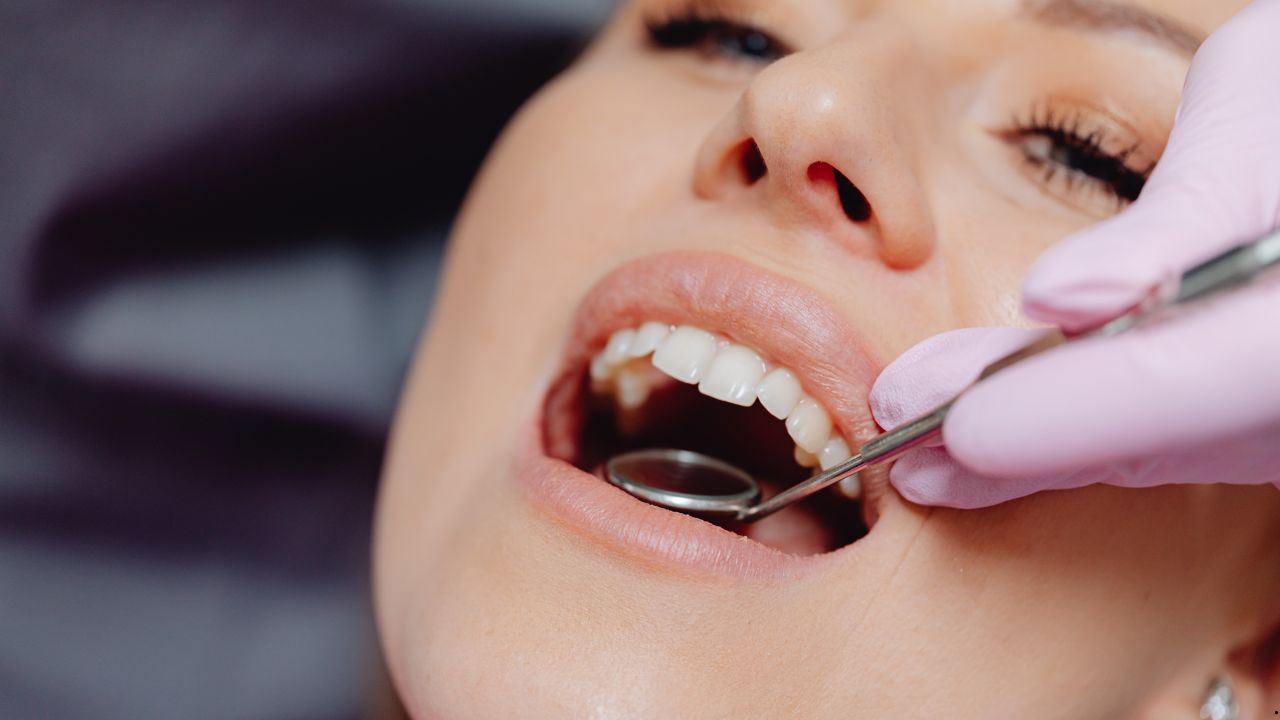
Routine dental visits and preventive dental care are vital for early detection of problems such as cavities, gum disease, and even oral cancer. These issues may develop without noticeable symptoms in the early stages, so professional check-ups are key for prevention and timely intervention. Visiting the best dentist ensures thorough cleanings to remove tartar, which cannot be eliminated by brushing or flossing alone. Scheduling regular dental exams at least twice a year allows your dentist to monitor your oral health status, offer advice tailored to your unique needs, and address concerns before they become painful or require complex treatments. Additionally, regular cleanings and professional exams keep your gums healthy, help maintain fresh breath, and can significantly reduce the likelihood of more serious health complications.
Stay Hydrated
Saliva is your mouth’s natural defense. It helps fight against cavity-causing bacteria, neutralizes acids from leftover food, and aids in repairing early tooth enamel erosion. Drinking plenty of water regularly keeps your mouth clean between meals, supports consistent saliva production, and prevents dry mouth, which raises the risk of tooth decay. Choose water over sugary drinks and sodas whenever possible, as these beverages can coat your teeth with sugar and acid, speeding up enamel breakdown and feeding harmful bacteria. Carrying a reusable water bottle can keep you hydrated throughout the day and benefit both your oral and overall health.
Use Mouthwash Wisely
Using an antimicrobial or fluoride mouthwash can boost your oral care routine by reaching areas that brushing and flossing might miss. Mouthwash helps reduce bacteria, freshen breath, and add extra protection against cavities and gum issues. For the best results, choose mouthwashes with the American Dental Association (ADA) Seal of Acceptance, which shows the product is safe and effective. Remember, mouthwash should complement, not replace, brushing and flossing, and it’s most helpful when part of a complete oral care routine. Some specialized rinses can also reduce sensitivity or strengthen weakened enamel, so consult your dentist to find the best type for your needs.
Be Mindful of Teeth Grinding
Many people grind their teeth, especially during sleep, often without realizing it. Symptoms such as jaw soreness, chipped or flattened teeth, headaches, or disturbed sleep can develop over time due to bruxism. Stress, anxiety, sleep disorders, and misaligned teeth are common causes of grinding. If you suspect you grind your teeth, consult your dentist for evaluation. They may recommend a custom mouthguard to wear at night, which can protect your enamel, minimize muscle and joint pain, and prevent further damage to your teeth and jaw. Proactively addressing teeth grinding helps preserve your dental health and comfort for the long term.
Conclusion
By adopting these smart strategies, you empower yourself to achieve and maintain excellent oral health. Routine home care, combined with professional dental check-ups, is the most effective way to safeguard your smile and overall well-being. Remember, the health of your mouth reflects your overall health. Taking steps to improve your oral health can enhance your quality of life, keep you smiling confidently, and even support your general health for years to come.