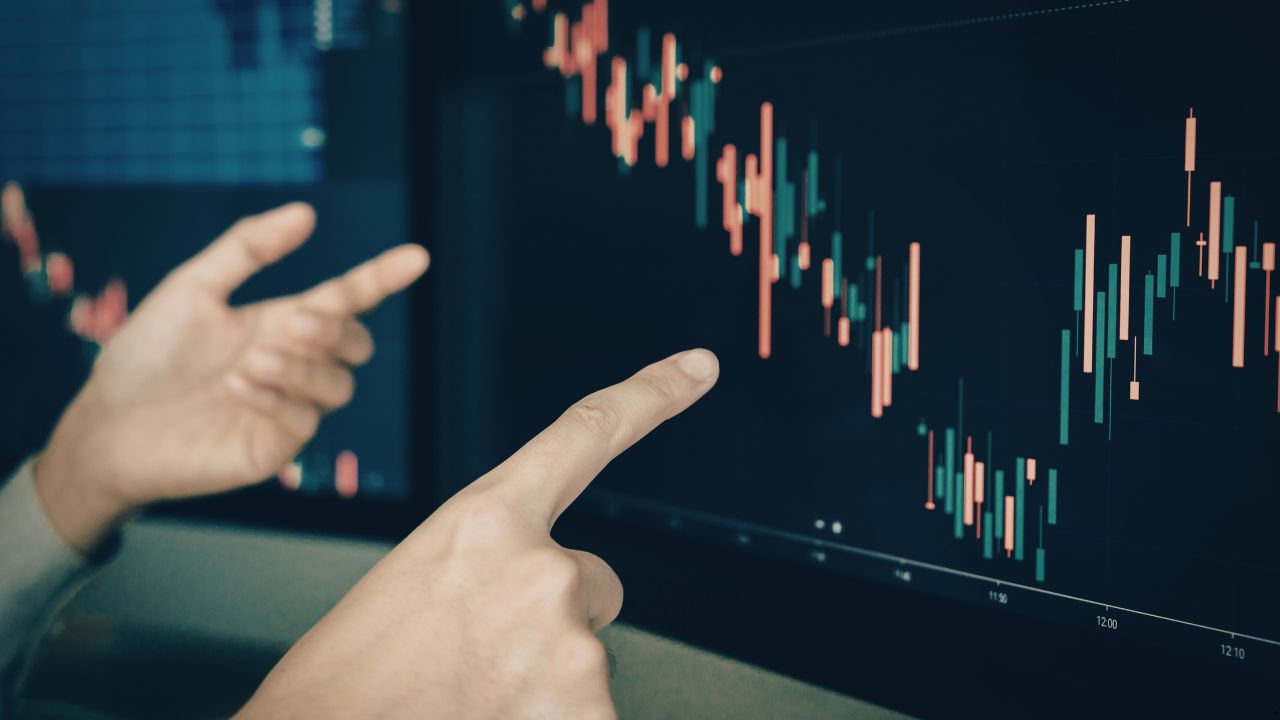
Investing in the share market requires more than simply tracking daily price movements. Successful investors pay attention to earnings revisions, sector trends, macroeconomic data, and broker sentiment. In a market as dynamic as the ASX, having access to structured, independent reporting can make a meaningful difference.
While general news platforms provide high level summaries, serious investors often look for deeper insights. Consistent, detailed reporting helps cut through speculation and focuses on what truly matters to portfolio performance.
For investors who rely on comprehensive Australian financial news, structured market coverage plays a central role in informed decision making.
Table of Contents
Understanding earnings season and broker updates
Earnings season is one of the most important periods for equity investors. Company results can reshape expectations overnight, influencing both short term volatility and long term outlooks.
Broker research updates are equally significant. Changes in price targets, earnings forecasts, and ratings can signal shifts in institutional sentiment. Accessing reliable broker research helps investors track these updates efficiently.
Aggregated reporting and analysis help investors quickly identify themes emerging across sectors. Instead of reviewing each announcement in isolation, readers can understand broader market direction.
Access to curated ASX research summaries provides clarity during periods of heavy news flow.
Beyond headlines and daily volatility
Market headlines often focus on dramatic movements. Sharp rallies or sudden sell offs capture attention, but they do not always reflect long term fundamentals.
High quality financial reporting provides context. It explains whether price changes are driven by earnings revisions, macroeconomic shifts, commodity movements, or sentiment changes.
This contextual approach helps investors avoid emotional decisions based purely on short term fluctuations.
Sector rotation and thematic analysis
Markets operate in cycles. At times, resources may outperform. In other periods, technology or financials may lead the market. Understanding sector rotation helps investors position portfolios more effectively.
Thematic analysis examines broader forces shaping the market. These may include interest rate trends, global trade conditions, inflation expectations, or regulatory developments.
Investors who monitor these themes are often better prepared to anticipate changes rather than react to them.
Supporting disciplined investment strategies
Just as investors benefit from structured approaches, businesses must also adopt a robust digital strategy to achieve consistent results.
Independent financial reporting encourages structured thinking. By focusing on earnings quality, balance sheet strength, and forward guidance, investors can make decisions based on evidence rather than speculation.
Reliable platforms that provide ongoing coverage of Australian equities help investors maintain perspective even during volatile conditions.
Improving transparency in the investment landscape
Access to clear and independent analysis also supports transparency. When investors understand how broker recommendations are changing and how companies are performing relative to expectations, they gain a more accurate view of the market.
This transparency reduces reliance on hype and short term noise. It also allows retail investors to access insights that were once primarily available to institutional participants.
Structured market reporting bridges that information gap and supports more equitable access to financial intelligence.
Building confidence through information
Confidence in investing does not come from certainty. Markets will always involve risk. Confidence comes from understanding.
When investors have access to timely updates, contextual analysis, and structured research summaries, they can navigate uncertainty more effectively.
For those focused on Australian equities and broader macroeconomic trends, consistent financial coverage remains one of the most valuable tools available.
In a market defined by constant change, informed investors are better equipped to identify opportunities, manage risk, and maintain long term focus.