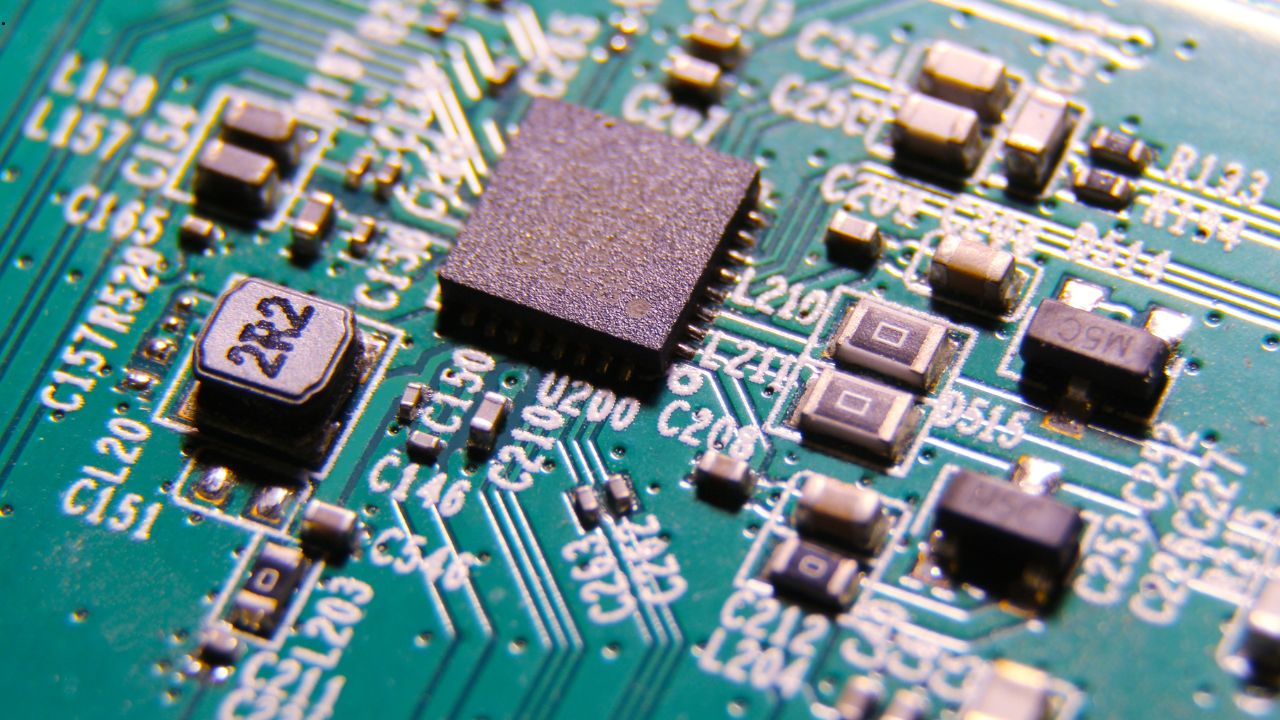
For many businesses, outdated devices, damaged components, and surplus electrical equipment are treated as a storage problem first and a compliance issue second. Old circuit boards pile up in boxes, obsolete telecom parts sit in warehouses, and non-working electronics are pushed further down the list because day-to-day operations always feel more urgent. But what if that “waste” is actually an overlooked revenue stream?
That shift in thinking matters more than ever. Across Europe, companies are under growing pressure to improve sustainability, document responsible disposal practices, and recover value from materials already in circulation. At the same time, many electronic assets contain metals and components that still hold real market worth. In other words, the right handover process can support both profit and environmental goals.
The key is understanding that electronics disposal is no longer just about getting rid of unwanted stock. Done properly, it becomes a strategic business decision: one that can free up space, reduce risks, strengthen ESG performance, and generate returns from materials that would otherwise be ignored.
Table of Contents
Why electronic waste is more valuable than many companies realize
Modern business equipment contains far more than plastic casings and tangled wires. Depending on the category, electronics may include copper, aluminium, brass, precious-metal-bearing components, reusable assemblies, and printed circuit boards with recoverable value. Even equipment that looks outdated or damaged can still be worth assessing before disposal.
This is especially relevant for manufacturers, auto-related businesses, telecom providers, repair centers, service companies, and industrial operators that regularly handle electronic parts. A simple warehouse cleanout may reveal assets that should never have been treated as ordinary waste in the first place.
Businesses often lose money in three ways:
- They pay for storage of obsolete electronic stock that could be sold.
- They dispose of mixed materials without proper sorting or valuation.
- They miss market opportunities because they do not work with a specialist buyer.
According to global e-waste reporting trends, electronic waste remains one of the fastest-growing waste streams worldwide, yet only a fraction is formally collected and processed through transparent channels. That gap creates both a problem and an opportunity. Companies that act early can recover more value while demonstrating responsible business practices.
The hidden costs of doing nothing
Keeping unused electronics “for later” may seem harmless, but the costs add up quickly. Inventory clutter consumes space that could be used more productively. Untracked materials can create auditing headaches. Improper disposal can raise reputational and regulatory concerns. And once materials degrade, get mixed, or are discarded without evaluation, potential revenue disappears.
There is also an operational cost to uncertainty. Teams often do not know what should be sold, recycled, dismantled, or documented. Without a clear process, handovers become inconsistent and inefficient. One department may scrap materials, another may store them indefinitely, and finance may never see a recovery report.
That is why a structured electronics handover policy is becoming an increasingly smart move for businesses of all sizes. It turns a reactive cleanup task into a repeatable value-recovery process.
What a profitable electronics handover process looks like
A good electronics handover process is not complicated, but it should be deliberate. The most effective companies usually follow a few practical steps:
1. Identify what you actually have
Start with a simple inventory. Separate complete devices, loose circuit boards, cable-based materials, non-ferrous metal content, damaged units, and parts with uncertain composition. Clear categorization improves valuation and helps avoid underpricing.
2. Avoid mixing high-value and low-value materials
One of the biggest mistakes businesses make is combining everything into a single disposal batch. Printed circuit boards and metal-bearing components may have far greater value than general low-grade scrap. Keeping streams separate supports more accurate assessment.
3. Work with a specialist, not just a generic collector
The difference between “collection” and “evaluation” matters. A specialist buyer with the right databases, testing capabilities, and market knowledge can often identify value that a general scrap route misses. This is where expertise makes a direct financial difference.
4. Prioritize transparency
Businesses need confidence that transactions are clear, documented, and fast. That includes understandable assessments, dependable communication, and reliable payment terms. A handover partner should make the process easy, not more administrative.
5. Build it into regular operations
Instead of waiting for a major cleanup, create a recurring review schedule for obsolete electronics. Quarterly or monthly handovers can improve cash flow, reduce storage pressure, and simplify internal controls.
Where specialist recovery partners create real business value
Not all recycling or purchasing partners are equal. When companies choose a specialist with proven evaluation methods, they gain more than just a pickup service. They gain insight into material value, confidence in responsible handling, and a more efficient path from surplus stock to recovered profit.
That is one reason businesses in Latvia and beyond are paying closer attention to experienced partners such as Metalbee. The company has positioned itself around expert purchasing and recycling of valuable material streams, including printed circuit boards, catalytic converters, and non-ferrous metals. Its emphasis on sustainability, secure transactions, strong refinery partnerships, and accurate assessments makes it especially relevant for businesses that want both environmental accountability and commercial return.
For companies handling electronic materials, access to laboratory-backed evaluation and a current database can significantly improve results. Instead of guessing value based on appearance or weight alone, sellers can benefit from more precise analysis. That is particularly important when printed circuit boards or mixed electronic fractions are involved.
If your business is reviewing how to handle surplus electronic equipment, electronic materials handover (elektronika) can be approached not as a disposal burden, but as a managed recovery channel with tangible upside.
Profit, sustainability, and reputation can work together
One reason electronics handover is becoming more strategically important is that it serves multiple business priorities at once. Finance teams appreciate recovered value. Operations teams benefit from cleaner storage and simplified material handling. Sustainability teams gain a stronger story around circularity and responsible recycling. Leadership benefits from reduced risk and improved brand credibility.
That combination matters in today’s market. Customers, investors, and partners increasingly want evidence that businesses handle waste responsibly. A company that can show it diverts electronics from poor disposal routes and recovers useful materials through expert channels is in a stronger position than one that treats the issue as an afterthought.
And this does not apply only to large industrial groups. Smaller firms, repair operations, fleet businesses, workshops, and regional service providers can all benefit from a more organized approach. In many cases, the volume needed to create value is lower than expected, especially when the materials are properly sorted and assessed.
Common business scenarios where electronics handover pays off
- Office upgrades: Old IT equipment, network hardware, and peripheral electronics are removed after modernization.
- Warehouse cleanouts: Surplus stock, returns, or non-working units are discovered during reorganization.
- Automotive operations: Electronic modules, cables, starters, alternators, and mixed metal-bearing parts accumulate over time.
- Telecom and service industries: Outdated communication equipment and infrastructure components are replaced in batches.
- Manufacturing environments: Defective boards, control modules, and obsolete assemblies are retired after production changes.
In each of these cases, businesses often focus first on removal speed. But speed without evaluation can leave money on the table. A better approach is to balance convenience with informed material recovery.
That is why many companies are now treating electronics materials transfer and responsible surrender (elektronikas nodošana) as part of a broader resource-efficiency strategy rather than a one-time disposal task.
How to get started without overcomplicating it
If you want to turn electronics handover into a profit opportunity, start small but start intentionally. Review what has been sitting unused for more than six months. Separate obviously valuable streams such as circuit boards, cables, and non-ferrous metal-bearing parts. Assign one person to document quantities and categories. Then speak with a specialist buyer that can provide transparent guidance on likely value and process requirements.
You do not need a perfect internal system on day one. What matters is shifting from “store and ignore” to “assess and recover.” Once that mindset changes, it becomes much easier to build repeatable procedures that save time and unlock revenue.
For businesses looking for a practical next step, Metalbee is a useful resource to explore. Its focus on accurate evaluation, environmentally conscious practices, and efficient transactions makes it a strong option for companies that want electronics handover to be both responsible and commercially worthwhile. If your team is ready to clear space, improve sustainability performance, and recover value from unused electronic materials, reviewing the company’s electronics handover services at https://metalbee.lv/elektronikas-nodosana/ is a smart place to begin.