

Key Takeaways
- Office leasing trends are shifting towards smaller, flexible spaces to accommodate hybrid work models.
- Tenant representation is crucial in navigating the evolving commercial real estate market.
- Technological advancements and economic factors are influencing leasing decisions and tenant needs.
Table of Contents
Introduction
The office real estate sector is facing a period of profound change as companies reassess their space needs and respond to an economy marked by both uncertainty and innovation. In this climate, the process of finding and leasing offices has become more complex than ever. Businesses not only seek productive and impactful environments but also look for flexibility and cost efficiency when exploring office space for rent. Navigating this new landscape demands a strategic approach to both identifying the right space and negotiating lease terms that protect long-term business interests.
Shifting work patterns, particularly hybrid and remote arrangements, are influencing office leasing by necessitating expert tenant representation that addresses operational needs and workforce mobility. As organizations adopt flexible environments, they must consider factors like company culture, technology, and location trends in their office commitments. This evolution in commercial real estate highlights the importance of informed lease negotiations and ongoing market analysis for success. The article discusses trends, the crucial role of tenant representatives, and strategies for businesses to secure favorable leasing agreements in a competitive market, providing essential insights for commercial tenants navigating these changes.
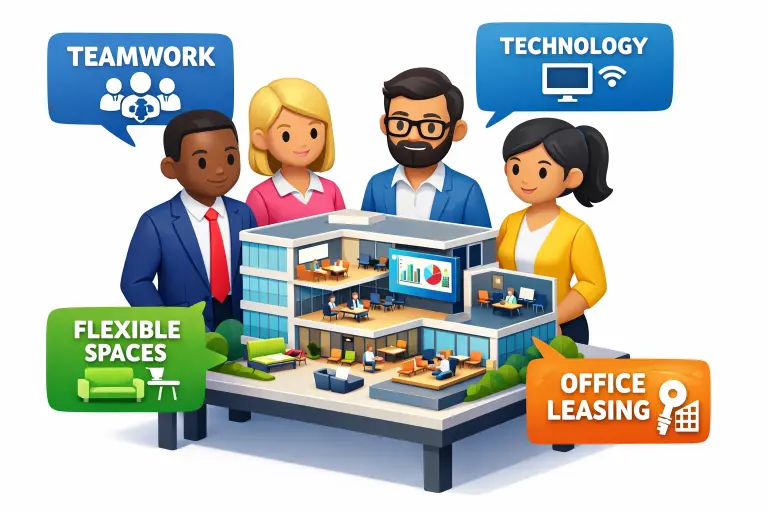
Current Trends in Office Leasing
The most notable trend in office leasing over the past few years has been a marked reduction in leased square footage per employee. Companies are reevaluating their footprint by signing smaller, shorter-term leases and placing a premium on flexibility. In regions like the Bay Area, 2024 reports showed a surge in large-scale lease signings, especially among technology and financial firms that require agile operations. These moves signal confidence in select urban markets, but the broader pattern is one of consolidation and prudent space planning.
In addition to reduced footprints, there is also a growing demand for spaces that offer amenities supporting collaboration and hybrid work styles. Tenants now prioritize buildings that provide conference facilities, communal areas, and enhanced digital connectivity. This “flight to quality” trend means that premier locations and well-appointed properties see higher demand, while older, less adaptable buildings face increasing vacancies.
The Role of Tenant Representation
Tenant representation has become more important as commercial leasing grows increasingly data-driven and competitive. Modern advisors often rely on tools and insights from a leasing software guide to better analyze market trends, streamline decision-making, and improve negotiation outcomes for clients. A skilled tenant representative acts as both an advisor and advocate, leveraging market data and negotiation skills to secure the best possible lease terms for clients. Their services extend from pinpointing ideal locations to reviewing lease documents, ensuring compliance, and helping tenants avoid costly missteps.
Tenant representatives stay attuned to rapidly shifting market economics and legal standards, making them essential partners in navigating regulatory changes, economic cycles, and evolving space considerations. Their ability to identify off-market opportunities and structure creative deals offers significant advantages for organizations seeking value and flexibility in uncertain times.
Technological Advancements and Their Impact
The role of technology in office leasing cannot be overstated. Artificial intelligence, cloud computing, and advanced networking are driving demands for spaces equipped with robust IT infrastructure. Companies require offices that can seamlessly support digital collaboration, cybersecurity, and large-scale data processing.
Many modern buildings are designed or retrofitted with smart features such as advanced security, remote access controls, and occupancy sensors. For tenants, these amenities directly impact productivity, sustainability goals, and attraction of top talent. Consequently, technology-forward office environments have become a major differentiating factor for landlords marketing their spaces.
As companies become more reliant on digital tools, sensitivity to scalability and adaptability is also growing. Flexible spaces that can accommodate both immediate and future tech needs are now a baseline expectation, not a luxury. According to recent reporting by The New York Times, buildings that do not keep up with this evolution risk falling out of favor as tenants increasingly favor next-generation offices built for connectivity and innovation.
Economic Factors Influencing Leasing Decisions
Economic headwinds, including rising interest rates and inflation, shape leasing strategies across the commercial real estate market. Higher borrowing costs mean that both landlords and tenants closely examine the long-term costs and potential returns associated with office occupancy. Businesses are less willing to commit to lengthy, inflexible leases and prefer short-term agreements that enable rapid adjustment as economic conditions change.
For tenant representatives, this economic environment reinforces the need for deep financial analysis and strategic negotiation. Lease agreements need to provide protection against future market volatility and offer flexibility to scale up or down as needed. Strategic clauses around rent escalation, renewal rights, and sublease options become valuable tools in economic uncertainty. These practices let tenants minimize risk while maintaining access to premium office environments.
Strategies for Successful Tenant Representation
1. Market Analysis and Data-Driven Insights
A thorough understanding of the market is critical. Tenant representatives use local and national market intelligence to identify opportunities and anticipate challenges. This enables clients to act decisively rather than react to trends after they have developed.
2. Skilled Negotiation
Negotiating powerfully on behalf of tenants means securing favorable terms in rent, amenities, maintenance obligations, and renewal provisions. Skilled representatives know how to leverage competition among landlords and utilize benchmarks from similar transactions.
3. Legal Acumen and Risk Management
Lease documents are complex and contain provisions that can have lasting financial impacts. A competent representative identifies potential exposure areas, negotiates strong protections for the tenant, and ensures compliance with all applicable laws and regulations.
4. Long-Term Business Alignment
Leasing decisions should reflect the organization’s business objectives over the medium and long term. An integrated approach considers company growth, evolving technology needs, and the desire for workforce flexibility and designs occupancy strategies that align with these goals.
Case Studies of Effective Tenant Representation
Across major U.S. markets, effective tenant representation has helped companies optimize leases to achieve cost savings and greater flexibility. In Los Angeles, for example, professionals have recently secured agreements that provide options for expanding, reducing, or sharing space to accommodate hybrid workforce patterns. By incorporating flexible clauses and leveraging market incentives, these deals have protected tenants from market fluctuations and positioned them for continued operational success.
Such cases illustrate that, with the right representation, organizations can avoid overcommitting to office space. They can precisely tailor office expenditures to actual business needs, securing advantageous terms that accommodate both current realities and potential future shifts.
Conclusion
The commercial office leasing environment will continue to adapt as new technologies emerge, economic cycles evolve, and workplace trends shift. What remains constant is the crucial value of expert tenant representation in guiding strategies, negotiations, and long-term decisions. By staying informed, flexible, and proactive, businesses and their advisors can secure office spaces that meet today’s challenges and provide stability for tomorrow’s growth.