

Key Takeaways
- Digital solutions are delivering more personalized, accessible, and data-driven pain management.
- Telemedicine and remote monitoring tools make specialized care more available and responsive.
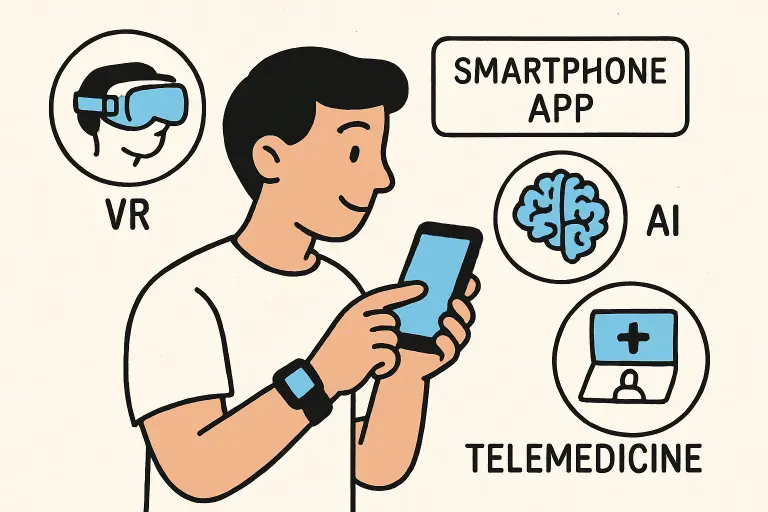
- Innovative technologies like AI, VR, and nanotechnology are shaping the future of pain relief.
The landscape of pain management is changing rapidly, thanks to the innovative development of digital tools and technologies. Patients and healthcare providers now have access to solutions that go far beyond traditional techniques, offering care that is more personalized, evidence-based, and accessible than ever before. For instance, platforms like Midwest Vascular have highlighted ways digital advancements support both chronic and acute pain management, making treatment more effective and patient-centered.
The latest digital approaches serve not only to lessen physical discomfort but also to holistically improve mental health and wellness for those living with pain. These tools enable real-time tracking, remote consultations, and data-driven insights, streamlining communication between patients and providers while making care available at the touch of a button. By integrating remote monitoring, artificial intelligence, and even immersive therapies, digital solutions are revolutionizing the ways individuals understand and manage pain.
Table of Contents
The Role of Digital Tools in Pain and Mental Health Management
Digital innovation has ushered in a new era for pain and mental health management. From wearable sensors that track physical activity and pain signals to comprehensive mobile apps that allow daily symptom logging, patients now have practical means to monitor and report their own experiences in real time. These insights are crucial for physicians to make swift, informed decisions, particularly when dealing with complex or fluctuating conditions.
Wearable devices, such as TENS units and activity trackers, help individuals understand patterns in their pain and connect these insights to behaviors and treatments. Virtual reality (VR) systems are also emerging as therapeutic tools, engaging patients in interactive experiences that mitigate discomfort and address anxiety. According to a Nature report, patients using digital tracking tools are better able to convey their symptoms, which helps physicians tailor interventions.
The Rise of Personalized Care
Technology has paved the way for highly personalized pain management solutions. Unlike traditional treatment plans, which were often standardized, digital tools enable adaptive and individualized care that is responsive to the user’s needs and daily routines. For example, adaptive neurostimulation devices analyze user data and adjust stimulation patterns throughout the day to optimize relief. This approach offers enhanced mobility, minimizes disruptions to daily activities, and helps manage both pain and its psychological impact.
Telemedicine: Revolutionizing Accessibility
For patients with chronic pain conditions who may live far from specialty centers or face physical limitations, telemedicine has been truly transformative. Virtual consultations remove travel barriers, allowing people to receive care from the comfort of home. Frequent remote check-ins ensure consistent monitoring and enable doctors to quickly modify treatment when necessary.
This convenience tends to improve both patient satisfaction and clinical outcomes. A study published by Harvard Health notes that telemedicine boosts access for underserved populations, and results in more timely adjustments to treatment, ultimately reducing pain flare-ups and preventing complications.
Enhancing Patient Engagement and Compliance
Patient engagement plays a major role in long-term recovery. While digital reminders and tracking tools help, starting early physiotherapy can address pain at its root and prevent it from becoming a long-term issue.
Many digital health apps also guide patients beyond tracking symptoms. If you are dealing with ongoing discomfort, practical back pain advice can make everyday activities easier and help you regain control naturally. This continuous feedback loop fosters a collaborative environment between patients and clinicians, reinforcing compliance and confidence in the treatment plan.
Advanced Technologies and Their Promise
AI Integration in Pain Management
Artificial intelligence is being rapidly integrated into pain management through predictive analytics and smart algorithms. By analyzing large sets of patient data, AI offers precise predictions of flare-ups and responses to specific medications and identifies patterns that humans might overlook. This permits personalized plans that can adapt as the patient’s condition evolves.
The Power of Virtual Reality (VR)
Virtual reality is not just a futuristic novelty but a medically validated tool for pain management. Immersive VR experiences can be powerful distractions, helping patients manage acute pain during procedures or chronic pain. Integrating VR into therapy offers non-pharmacological relief and provides patients with a sense of agency in their recovery process. The technology is also useful for educational purposes, helping patients understand their condition and the rationale behind treatment choices.
Nanotechnology in Pain Treatment
Nanotechnology is another frontier promising to revolutionize pain management. By engineering nanoparticles to deliver medications directly to affected tissues, scientists hope to increase treatment efficacy while minimizing side effects. This precise targeting holds promise for overcoming some of the limitations associated with current drug therapies and allowing more individuals to benefit from advanced, mechanism-based pain relief solutions.
Final Thoughts
Digital technologies are redefining what effective and compassionate pain management looks like. With tools that prioritize accessibility, personalization, and real-time feedback, both patients and providers benefit from a higher standard of care. Innovations such as AI, VR, and nanotechnology are pushing the boundaries of what is possible, making the journey towards pain relief both more efficient and humane. As these advancements continue to evolve, the future of pain management looks brighter for all who seek relief.