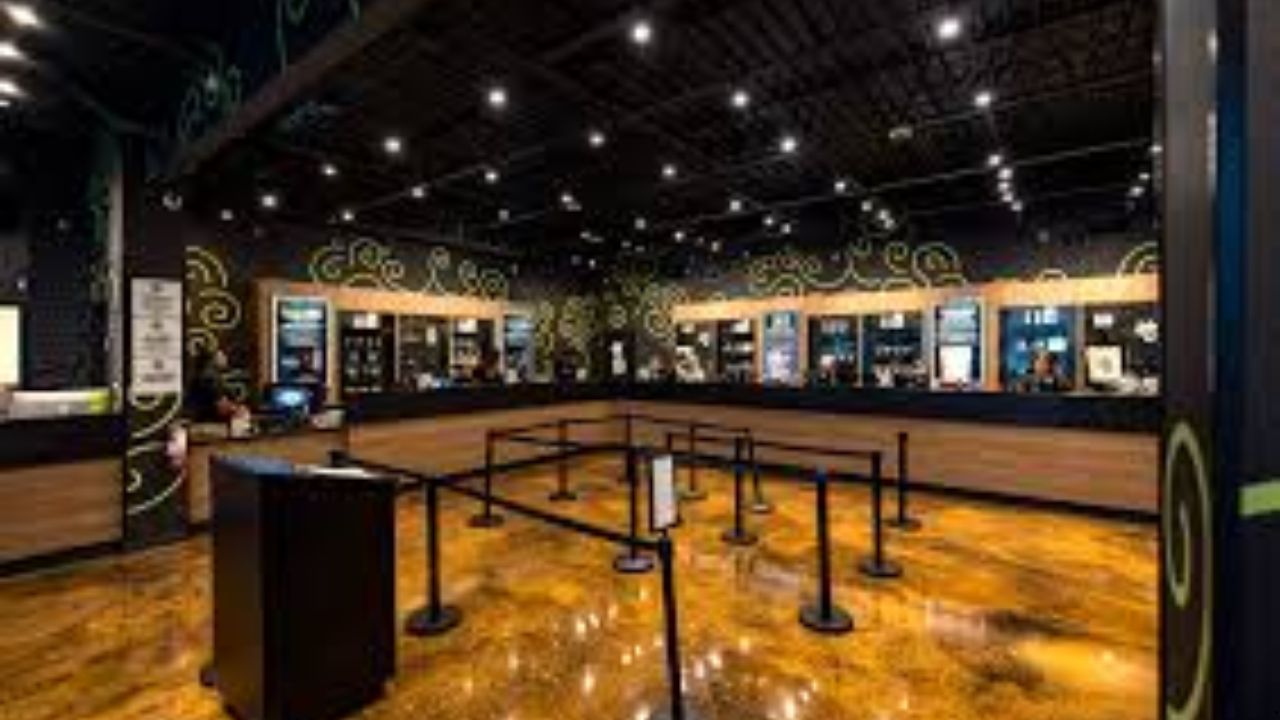
Cannabis retail is undergoing technological transformation that mirrors broader retail evolution while addressing industry-specific challenges. From automated pickup lockers to AI-powered product recommendations, from sophisticated inventory management to blockchain supply chain tracking, technology is reshaping how dispensaries operate and how customers shop. Understanding these innovations reveals where cannabis retail is heading and how dispensaries can leverage technology for competitive advantage. For consumers, these advancements promise more convenient, personalized, and efficient cannabis shopping experiences that enhance satisfaction while reducing friction points.
Automated pickup systems represent one of the most visible retail technology advancements. Dispensary technology solutions like The Dab’s PUF Lockers allow customers to order online, receive locker assignments, and retrieve products using simple ID scanning without human interaction. This automation serves multiple purposes—reducing wait times, minimizing staffing needs, providing contactless service, and enabling 24/7 pickup potentially. Customers who know exactly what they want can complete transactions in under a minute, dramatically faster than traditional dispensary visits.
These locker systems require integration across multiple technologies. E-commerce platforms must handle orders and assign lockers. Payment processors must securely complete financial transactions. Age verification systems must confirm customer eligibility. Lockers must interface with these systems, accepting ID scans and releasing correct products. When executed well, this integration creates seamless experiences. When poorly implemented, technical failures frustrate customers and create operational headaches.
Online ordering platforms have become essential dispensary infrastructure. Modern consumers expect the ability to browse menus, compare products, read reviews, and complete purchases digitally before visiting stores or receiving deliveries. Sophisticated platforms provide detailed product information including cannabinoid and terpene profiles, user reviews, related product suggestions, and real-time inventory accuracy. Poor online experiences—slow loading, inaccurate inventory, clunky interfaces—drive customers to competitors offering better digital tools.
Delivery logistics technology enables efficient cannabis delivery where legally permitted. Route optimization software minimizes drive time and fuel consumption. Driver apps provide turn-by-turn navigation, customer communication, and digital signature capture. Customer tracking shows real-time delivery status. Age verification apps ensure drivers properly confirm customer ages at delivery. GPS tracking provides security and accountability. Without these technologies, delivery operations would be prohibitively inefficient and risky.
For dispensaries offering pre-rolls, understanding the benefits of custom pre-roll packaging can optimize both shelf appeal and product safety. Seed-to-sale tracking complies with state regulations requiring detailed product tracking from cultivation through final sale. These systems prevent regulatory violations while providing business intelligence about product movement, turnover rates, and profitability. Advanced systems forecast demand, automate reordering, and optimize inventory levels—reducing waste while ensuring popular products remain in stock.
Point-of-sale systems purpose-built for cannabis handle industry-specific requirements including purchase limits, age verification, loyalty program integration, and compliance reporting. Generic retail POS systems lack cannabis functionality, making specialized solutions necessary. Modern cannabis POS systems also integrate with e-commerce platforms, delivery software, and business intelligence tools, creating comprehensive operational ecosystems rather than standalone checkout systems.
Customer relationship management platforms help dispensaries build and maintain customer relationships. These systems track purchase history, preferences, birthdays, and communication preferences. They enable targeted marketing—alerting customers when favorite products restock, suggesting items based on past purchases, and sending personalized promotions. Done well, CRM creates value for customers through relevant communications rather than spam. Done poorly, it annoys customers with generic, irrelevant messages.
Artificial intelligence and machine learning applications are beginning to enhance cannabis retail. Recommendation engines analyze purchase patterns across thousands of customers to suggest products individual users might enjoy. Chatbots handle basic customer service inquiries, freeing human staff for complex questions. Demand forecasting models predict inventory needs more accurately than simple historical averaging. Image recognition systems could potentially verify product quality or detect counterfeit products. These AI applications are in early stages but show significant promise for enhancing operations and customer experiences.
Augmented reality applications might allow customers to virtually explore products before purchasing. AR could display 3D models of flower, show detailed product information overlaid on physical displays, or even simulate strain effects through visual representations. While still largely conceptual in cannabis retail, AR technology that has proven valuable in other retail sectors will likely find cannabis applications as the industry matures.
Blockchain technology could revolutionize supply chain transparency and product authentication. Immutable blockchain records could track products from seed through sale, preventing counterfeiting and ensuring compliance. Smart contracts could automate payments between supply chain participants. Cryptocurrency payments might provide banking alternatives given federal prohibition’s banking complications. While blockchain adoption remains limited currently, the technology’s cannabis applications are actively being developed.
Biometric age verification using facial recognition or fingerprint scanning could streamline customer entry while ensuring age compliance more reliably than manual ID checking. These systems raise privacy concerns that require careful consideration, but they offer efficiency and security advantages over traditional verification methods.
Kiosks allowing self-service browsing and ordering create hybrid shopping experiences combining digital convenience with in-store immediacy. Customers can explore products through touchscreen interfaces showing detailed information, place orders for immediate pickup, and avoid lines during busy periods. Kiosks work particularly well for experienced customers who don’t need budtender consultation but want faster service than traditional checkout provides.
However, app development challenges require ongoing investment to ensure functionality and user adoption. Push notifications alert users to deals, new products, and order status updates. App-exclusive deals incentivize downloads while providing direct communication channels bypassing app store restrictions on cannabis advertising. However, app development and maintenance require ongoing investment, and customer adoption varies—some embrace apps enthusiastically while others prefer web-based access.
Digital signage in dispensaries displays menus, promotions, and educational content on screens rather than static signs. This allows real-time updates reflecting inventory changes, highlighting current deals, and rotating content keeping displays fresh. Interactive digital signage might allow customers to browse products, compare options, and learn about cannabis through engaging multimedia rather than static text.
Data analytics platforms help dispensaries understand business performance, customer behavior, and market trends. These systems aggregate data from POS, inventory, e-commerce, and loyalty platforms, providing comprehensive business intelligence. Analytics might reveal that certain products sell better on specific days, particular customer segments respond to different marketing, or inventory turns faster at certain price points. Data-driven decision making replaces gut instinct with evidence, improving operational efficiency.
Security technology including surveillance cameras, access control systems, and alarm monitoring addresses both regulatory compliance and business protection needs. Modern security systems provide cloud storage, remote monitoring, and integration with emergency services. Some incorporate AI-powered video analytics detecting suspicious behaviors or compliance violations. Given cannabis’s value and regulatory scrutiny, robust security systems are essential infrastructure.
Compliance software helps dispensaries maintain the detailed recordkeeping states require. These systems generate mandatory reports, track key metrics, alert management to potential violations, and maintain audit trails demonstrating regulatory adherence. Compliance technology reduces violation risks that could result in fines, license suspension, or revocation.
Payment processing technology works around federal prohibition’s banking complications. While traditional credit card processing remains unavailable for cannabis purchases, innovative solutions including cashless ATMs, specialized debit processing, and cryptocurrency payments provide alternatives to pure cash operations. Point-of-banking solutions that look like card swipes but actually process as ATM withdrawals have become widespread, reducing but not eliminating cash’s dominance in cannabis retail.
The integration challenge across these various technologies represents a significant hurdle. Dispensaries might use different vendors for POS, e-commerce, inventory, loyalty, and delivery—each system operating independently. True optimization requires these systems communicating seamlessly, sharing data, and providing unified rather than fragmented experiences. All-in-one platforms offering integrated solutions are emerging, though many dispensaries still cobble together multiple systems.
Technology costs create barriers, particularly for smaller operators. Enterprise software, hardware infrastructure, and ongoing support expenses add up quickly. Large dispensaries and multistate operators can amortize these costs across higher sales volumes, while smaller shops struggle to justify investments. This technology gap can exacerbate consolidation trends as larger, better-capitalized operations leverage technology for competitive advantage small operators can’t match.
Privacy concerns accompany increased data collection and technology use. Customer purchase histories, personal information, and biometric data require protection against breaches and misuse. Regulations like GDPR in Europe and CCPA in California establish privacy requirements that dispensaries must navigate carefully. Balancing personalization enabled by data with customer privacy protection represents an ongoing challenge.
Technology cannot replace human expertise entirely. Automated systems serve customers who know what they want, but many people—particularly new consumers—need budtender guidance that technology cannot fully replace. The optimal approach combines technology’s efficiency for straightforward transactions with human expertise for consultation and education. Dispensaries that over-automate risk alienating customers seeking personal interaction, while those that under-invest in technology fall behind competitors offering superior convenience.
Looking forward, cannabis retail technology will continue advancing rapidly. Virtual reality showrooms might allow remote product exploration. Subscription models using AI to curate regular deliveries based on preferences could gain traction. Drone delivery might become viable in some jurisdictions. Further AI development will enable increasingly sophisticated personalization. The dispensaries that thoughtfully adopt technology serving genuine customer needs while maintaining human touchpoints where valuable will thrive in an increasingly competitive landscape.