
Key Takeaways:
- Hands-on learning enhances student engagement and comprehension.
- Active participation fosters critical thinking and problem-solving skills.
- Incorporating real-world applications makes learning more meaningful.
Table of Contents
Introduction to Hands-On Learning
Student engagement remains a central focus in classrooms across the country. Innovative techniques are reshaping how teachers interact with learners. Among the most effective approaches is hands-on learning, which places students at the heart of every lesson by encouraging active involvement and direct experience with the material. Whether in public schools or a top-rated charter school located in Sandy, Utah, the benefits of this method are becoming widely recognized for creating impactful, memorable educational experiences.
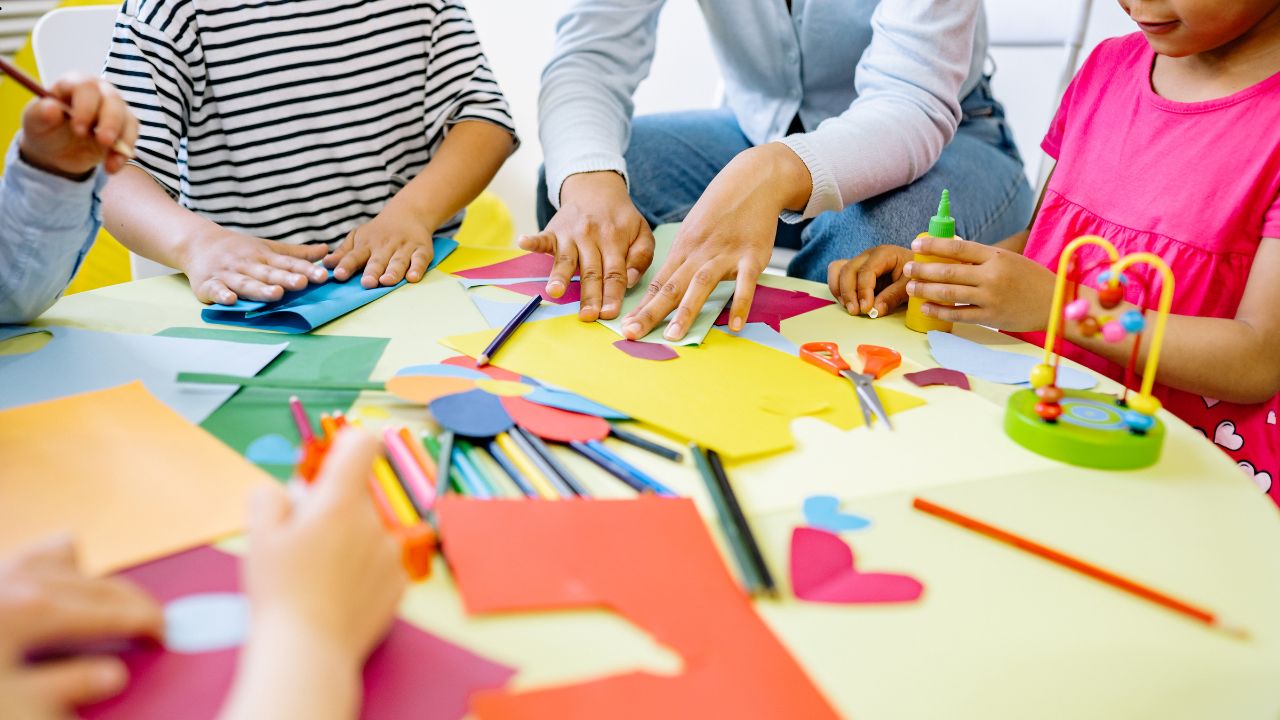
Hands-on learning breaks traditional barriers by encouraging students to manipulate, experiment, and observe, rather than simply listening or reading. This direct engagement helps bridge the gap between theory and practice while making lessons more dynamic and enjoyable for both students and educators.
Recent educational research indicates students are far more likely to retain information when they experience lessons firsthand. For example, tactile science experiments and collaborative projects allow students to internalize complex concepts, while also providing opportunities for teamwork and communication skill development.
This focus on active participation aligns with the real-world demands students will face after graduation. In hands-on classrooms, students solve problems, analyze outcomes, and tap into critical and creative thinking. These skills are essential for lifelong learning and success in a rapidly changing world.
Benefits of Hands-On Learning
Extensive studies support the claim that hands-on learning leads to stronger understanding and retention of academic material. One compelling study by the University of Chicago observed that students engaged in physical learning activities, especially in science, showed greater activity in sensory and motor-related parts of the brain. This increase in neural activity translated to improved test scores and deeper comprehension compared to students who only read or listened to lectures.
Beyond academic achievement, hands-on learning fosters a passion for discovery. As students experiment or work collaboratively, they develop resilience through trial and error. These activities also promote communication skills, empathy, and teamwork—traits crucial for academic success and beyond.
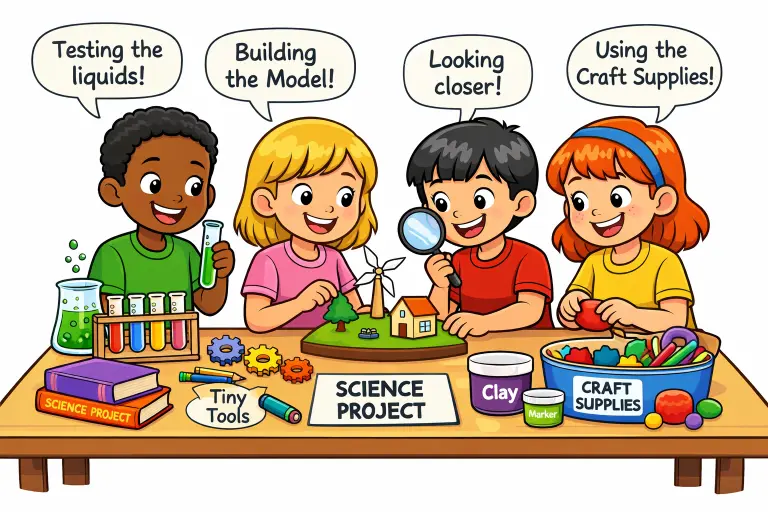
Furthermore, hands-on learning accommodates different learning styles, including visual, kinesthetic, and auditory preferences. This means that a larger proportion of students can find methods of engagement that resonate personally with them, which contributes to a more inclusive classroom environment. When students are allowed to work with manipulatives, partake in acting out scenarios, or approach a topic from a tactile perspective, they’re provided with a more robust educational experience tailored to their unique strengths and needs.
Implementing Hands-On Activities in the Classroom
Hands-on learning is accessible and adaptable for any classroom setting. Teachers can utilize a variety of strategies, such as:
- Science Experiments: Simple experiments with everyday materials can powerfully demonstrate scientific principles without expensive equipment.
- Project-Based Learning: Assigning projects invites students to design, build, and present solutions to real-world problems, integrating multiple subjects and skills.
- Interactive Simulations: Technology allows students to visualize and manipulate complex systems, such as simulating planetary movement or running virtual chemistry experiments. For instance, the PhET Interactive Simulations project at the University of Colorado Boulder offers free, interactive, research-based simulations of physical phenomena for students at various educational levels. These simulations help students visualize and understand complex scientific concepts through interactive engagement.
Field trips, art projects, and engineering challenges are additional ways to implement hands-on activities for diverse subjects and age groups. Rotational learning stations, formative group discussions, and classroom debates further enhance interactive learning environments.
Integrating hands-on activities doesn’t have to be overwhelming. Teachers often find success starting with one or two smaller-scale activities and gradually expanding depending on student interests and available resources. Regular reflection, like soliciting student feedback and adjusting lesson plans accordingly, helps ensure ongoing improvement and relevance. Even in highly structured environments, small shifts toward active learning, such as gamified quizzes, maker challenges, or role-playing historical events, can promote greater student curiosity and motivation.
Real-World Applications Enhance Learning
Engaging students with real-world scenarios brings curriculum content to life. Lessons rooted in immediate environments and current events help students draw connections between academic concepts and their daily experiences. For instance, organizing classroom participation in local environmental initiatives like community clean-ups helps students understand ecological systems and promotes civic responsibility.
Many schools also integrate entrepreneurship, coding, or design thinking projects, guided by professionals from the local community. These partnerships present students with authentic challenges and expert perspectives, motivating them to apply what they learn in meaningful contexts.
Real-world relevancy not only increases engagement and enjoyment but also prepares students for practical challenges they may face outside school walls.
Bringing in guest speakers and arranging internships or job-shadowing days can further prepare students for future careers, allowing them to see the practical applications of their studies. Real-world learning can also involve school-wide initiatives like developing a school garden, planning a charitable fundraiser, or designing a campaign for social change. Each of these projects requires hands-on effort, creative thinking, and collaboration, helping students build a toolkit of practical and interpersonal skills they can use long after graduation.
Challenges and Solutions
While the benefits of hands-on learning are clear, teachers sometimes face limitations such as a lack of resources, time constraints, or large class sizes. There are manageable solutions, however, that can make active learning accessible in any classroom:
- Using common, inexpensive materials to design experiments or challenges allows for frequent hands-on activities without high costs.
- Fitting short, focused activities such as five-minute simulations or collaborative think-pair-share moments into regular lessons.
- Partnering with local organizations, parent volunteers, or classroom mentors to expand the pool of resources and bring fresh perspectives into the classroom.
Grant programs and online educational platforms can also provide access to lesson templates, free simulations, and crowdsourced project ideas, enabling teachers to overcome typical obstacles and maintain a creative, resourceful approach.
Professional development workshops help teachers explore modern teaching methods and improve classroom delivery. Many educators also benefit from pursuing child care certification programs to strengthen their practical teaching skills and better support early learners. Collaboration among teachers is also powerful: sharing successful activities and insights within a school community often leads to even richer learning opportunities for students.
Conclusion
Hands-on learning activities have proven value in promoting student engagement, achievement, and critical thinking. By adopting active teaching strategies and making connections to students’ everyday lives, educators help develop independent thinkers who are well-equipped for further education and the demands of tomorrow’s workforce. Regardless of subject or setting, hands-on learning ensures every student has the opportunity to participate, create, and succeed.
Ultimately, fostering a culture of curiosity, experimentation, and collaboration within the classroom encourages lifelong learning. When students are engaged as active participants in their own education, they are far more likely to become confident, empowered individuals who view learning as an ongoing adventure rather than a static process. By championing hands-on methodologies, schools can unlock each student’s potential and inspire them to tackle challenges both in and out of the classroom.