Key Takeaways:
- Early dental visits are crucial for establishing positive oral health habits.
- Positive initial dental experiences can reduce dental anxiety and promote regular dental care.
- Parental involvement and education play a significant role in a child’s oral health journey.
Table of Contents
Importance of Early Dental Visits
Introducing your child to dental care at an early age helps establish healthy habits that can last a lifetime. According to the American Dental Association, a child’s first dental visit should take place by their first birthday. These early checkups are more than just an introduction to the dentist. They provide an opportunity for dental professionals to monitor the development of teeth and gums, address parental concerns, and identify potential issues before they become more serious. Regular visits with a pediatric dentist for developmental delays westwood ca can be especially valuable for children who require additional support, offering specialized care tailored to their unique developmental and sensory needs.
Frequent dental visits during the early years allow children to build familiarity with the dental setting and the professionals who will care for their teeth. This early exposure ensures that dental care becomes a natural part of routine health, similar to pediatrician visits, vaccinations, or vision screenings. Early professional guidance also allows parents to discuss oral health and developmental concerns that could impact their child’s quality of life as they grow.
Impact of Positive First Experiences
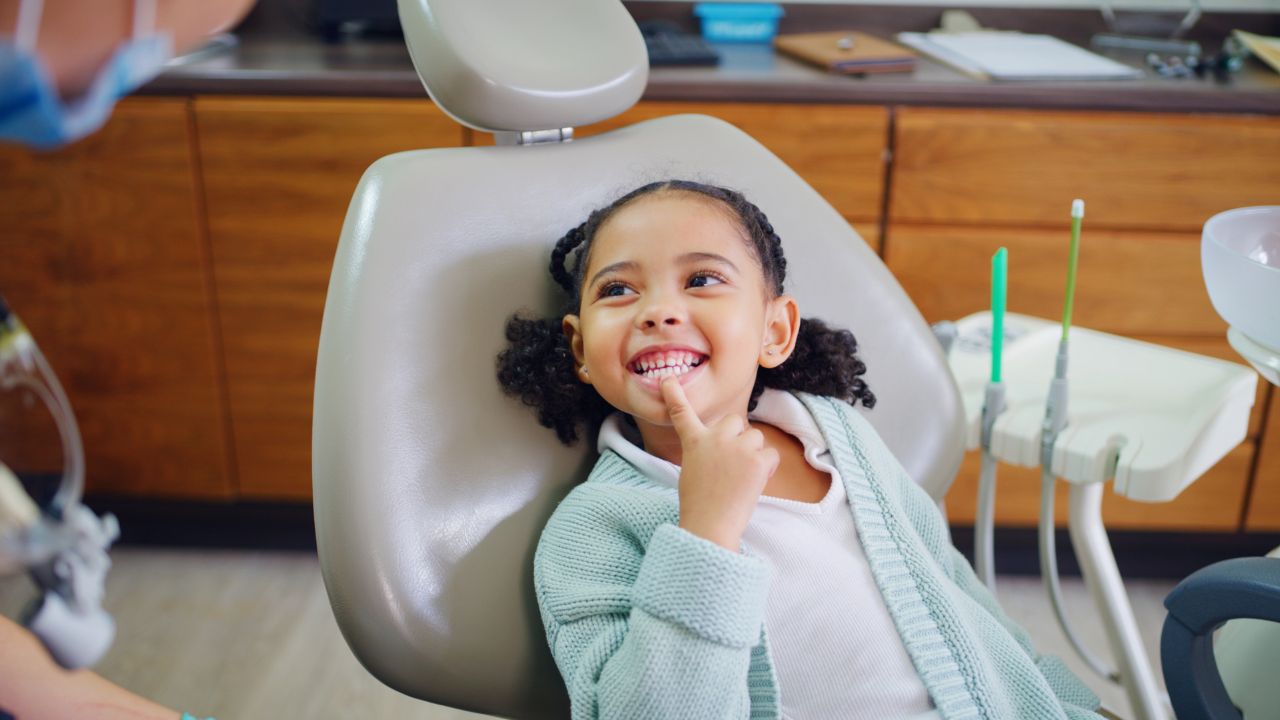
A child’s initial interactions with a dentist will have a lasting impact on their perception of oral care. Positive experiences at the dentist can reinforce the idea that dental visits are routine, comfortable, and even enjoyable. When a child encounters gentle reassurance and encouragement during their visit from both parents and dental staff, it builds trust and curiosity instead of fear. These memories can be a driving motivator for children to return to the dentist regularly as they grow.
Alternatively, negative or stressful initial visits can trigger dental anxiety, sometimes leading to dental avoidance well into adulthood. Overcoming bad first impressions can require years of effort and negatively affect long-term oral health outcomes. For this reason, dental practices and families alike benefit from making the very first appointment a positive one, filled with praise, patience, and age-appropriate information.
Role of Parents in Oral Health
Parents are central to a child’s journey toward lifelong oral health. The habits and attitudes demonstrated at home provide a powerful model for children to follow. When parents adopt consistent brushing and flossing routines, schedule and prioritize dental visits, and frame these activities as essential and positive, children are far more likely to mimic these behaviors. By emphasizing the importance of dental care and celebrating their children’s accomplishments, parents encourage responsibility and pride in oral health.
Parent education is equally important. Learning about cavity prevention, healthy dietary choices, and ways to reduce sugary snacks and beverages helps parents guide their children in making smarter decisions. Many reputable health organizations, such as the Centers for Disease Control and Prevention (CDC), offer tips and resources for parents looking to provide optimal care at home.
Preventive Care and Education
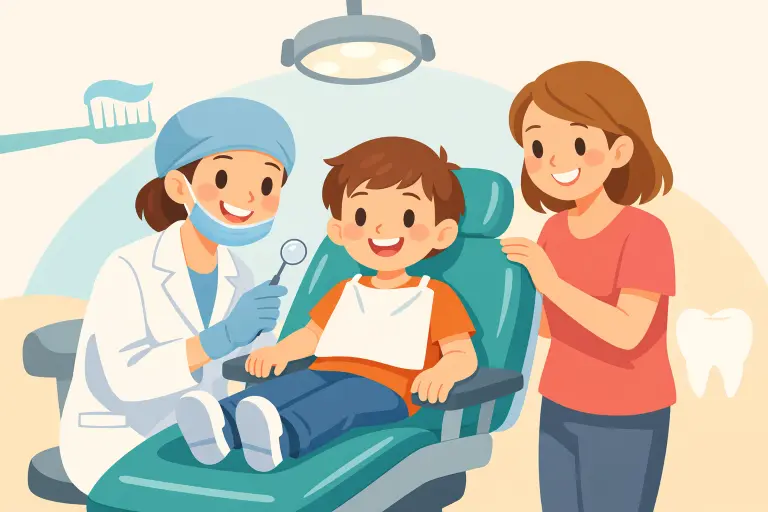
Preventive dental visits help children develop healthy habits from an early age. Along with cleanings and checkups, parents can also learn how regular dental care supports strong teeth and long-term oral health. These simple visits can prevent many common dental problems before they begin.
Explaining the consequences of neglecting oral hygiene in a way that is clear and relatable to children can encourage greater participation in their care. When young patients leave dental visits with new skills and the right tools, it provides a sense of autonomy and motivation to keep up healthy habits at home. More information about preventive strategies can be found through reputable sources like the American Dental Association.
Long-Term Benefits of Early Care
Starting dental care early in life has far-reaching effects that extend well into adulthood. Children who build positive oral health routines early are less likely to require costly or invasive dental procedures later. They are better equipped to manage dietary choices and maintain healthy habits even as they become more independent. This foundation also has a broader impact on overall health, as oral health is closely linked to factors such as heart disease, diabetes, and self-esteem.
Early intervention and ongoing preventive care often lead to fewer missed school days, enhanced academic performance, and better physical, emotional, and social well-being. The impact of prioritizing a child’s oral health goes well beyond their time in the dental chair.
Overcoming Dental Anxiety
Dental anxiety can be a major barrier to receiving necessary care. Fortunately, positive early experiences significantly reduce anxiety and fear. Pediatric dentists are trained to make their office environments child-friendly, often featuring colorful decor, toys, and interactive elements designed to create a sense of ease and safety. Simple strategies such as introducing dental instruments in a calm, age-appropriate way, playing favorite songs, or even reading stories about going to the dentist can help children feel prepared and confident.
Consistent reassurances and allowing children to ask questions about their visit can also foster trust. Parents should avoid negative language and encourage open dialogue about the experience. When fear is addressed proactively, it can quickly dissipate, paving the way for a positive relationship with the dentist.
Choosing the Right Pediatric Dentist
The right pediatric dentist can make all the difference for children and families. Look for dental professionals experienced in working with children, especially those who have specialized knowledge for children with unique medical or developmental needs. An ideal pediatric dentist is one who prioritizes comfort, education, and clear communication. Recommendations from friends and family or credible online reviews can help guide families to make a confident choice.
A dental practice that welcomes parental participation, accommodates the needs of all children, and explains every step of the process will help build a foundation of trust and cooperation that lasts for years.
Conclusion
Early dental experiences can set the stage for lifelong oral health. By making the first visits positive, engaging, and educational, parents and dental professionals give children the tools and confidence they need to take charge of their oral health. The investments made in these formative years yield rewards that last well beyond childhood, laying the groundwork for healthy habits and smiles that last a lifetime.