

Key Takeaways
- Recognizing and addressing dental anxiety is foundational for stress-free visits.
- Modern sedation and relaxation techniques can make even complex procedures manageable.
- Consistent preventive care reduces the occurrence of painful or invasive dental work.
- Incorporating holistic pain management and communication fosters a reassuring dental experience.
- Strict infection control is vital for patient safety and peace of mind.
Many people find dental visits daunting, but there are proven steps you can take to make your next appointment smooth and stress-free. Ensuring your comfort and safety is possible with the right information and tools. Whether it is maintaining your oral health or preparing for a procedure like a dental bone graft, knowing how to manage anxiety and pain makes all the difference.
By understanding preventative strategies and pain management techniques, you can transform dental care into a positive experience. With a few safe practices, you will be better equipped to overcome apprehension, minimize potential discomfort, and keep your teeth in excellent shape for life.
Table of Contents
Understanding Dental Anxiety
Dental anxiety is common and affects individuals of all ages. According to the American Dental Association, significant dental fear keeps millions from seeking timely care every year. This anxiety can develop from negative childhood experiences, fear of pain, or uncertainty about what to expect. Recognizing your own apprehension is the first proactive step in overcoming it.
Dental anxiety is best tackled through honest conversations with your dentist, learning about advances in pain management, and practicing relaxation techniques. With new knowledge and the right support, patients can reframe dental visits as manageable and even positive.
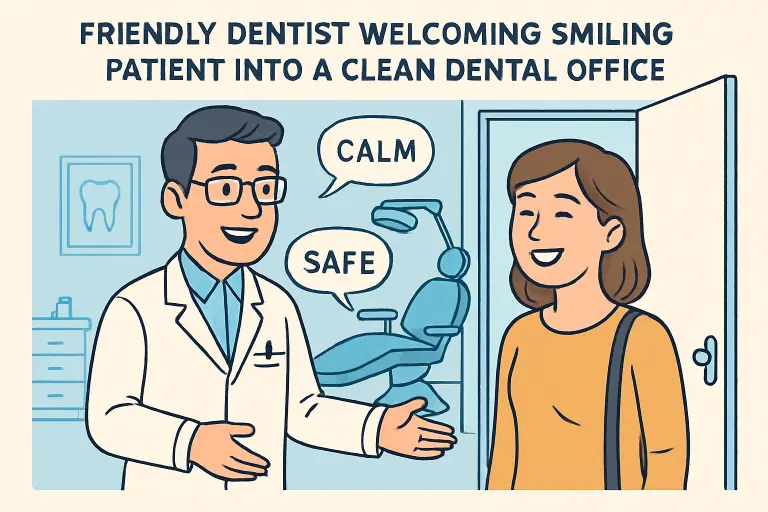
Sedation Options for a Relaxed Experience
Sedation dentistry has evolved to address the needs of nervous patients. Safe and effective options range from mild inhalation sedation to oral sedatives and intravenous (IV) methods. Inhalation sedation, often referred to as “laughing gas,” is popular in pediatric dentistry and helps children stay calm and relaxed. Adults may benefit from oral sedatives that ensure they remain at ease without losing awareness. Each technique is tailored to individual needs and undergoes stringent safety monitoring.
It’s important to discuss any medical conditions or current medications with your dentist before sedation. This information helps the dental team recommend the safest and most effective sedation method for your needs. By being proactive and transparent, you maximize both safety and comfort during your appointment. For those with severe dental anxiety or phobia, deep sedation or general anesthesia in a controlled setting may be an option, emphasizing that there truly are solutions for every level of apprehension.
Preventive Care: The First Line of Defense
Preventive care is key to avoiding pain and stress at the dentist. Simple habits like brushing and flossing daily go a long way, and learning more about preventive dental care can help you stay ahead of problems. Routine check-ups allow early detection and intervention for concerns like cavities or gum disease, minimizing the need for invasive procedures. Lifestyle choices, including a balanced diet rich in calcium and low in added sugars, further lessen risks associated with dental problems.
When you build strong oral health habits, you lower your chances of sudden dental issues and keep your smile in good shape for years. Additionally, using fluoride toothpaste and incorporating antimicrobial mouth rinses can strengthen enamel and further protect against decay. Scheduling professional cleanings twice yearly is also recommended to remove tartar that regular brushing cannot eliminate.
Alternative Pain Management Techniques
Many dental professionals incorporate complementary techniques to supplement traditional pain management. Methods like guided breathing, mindfulness meditation, and aromatherapy with essential oils (such as lavender) can help patients relax during procedures. Studies published in journals show that mindfulness can significantly reduce the perception of dental discomfort, making it a valuable tool during appointments where mild anxiety exists.
Additionally, progressive muscle relaxation and listening to calming music through headphones are techniques readily available during dental procedures. These approaches are non-invasive, cost-effective, and can be individualized to suit your personal preferences. Many dental offices now offer comfort amenities such as soothing blankets, virtual reality glasses, or distractions like ceiling-mounted televisions to create a more pleasant treatment environment. Explore these offerings with your clinic to see what might enhance your coping strategies.
Ensuring Safety Through Infection Control
Dental patient safety is determined by rigorous infection control protocols. Modern practices adhere to sanitation requirements established by both the CDC and the American Dental Association. Critical steps include sterilizing all instruments, using single-use tools when feasible, wearing personal protective equipment, and maintaining sterile workspaces. Reliable dental offices post clear protocols and are happy to answer questions about their infection control measures. These steps protect everyone in the dental environment while reassuring patients that safety comes first.
Beyond the dental chair, patients can play a proactive role in safety. Make sure to report recent illnesses, infections, or changes in medication before your appointment. If you have a compromised immune system, ask your provider about any additional protective steps they can take. Being informed about sterilization or even observing processes firsthand can help anxious patients feel secure and more at ease during their visit.
Open Communication with Your Dentist
Many fears or anxieties dissipate through open dialog with your provider. Inform your dental team about previous negative experiences and describe any concerns you have about pain. Good dentists will listen, answer your questions, and tailor treatment to your comfort level. Some establish hand signals so patients can pause procedures if they become overwhelmed. With a foundation of trust and communication, each visit can become more pleasant and productive.
Establishing a rapport is especially important if you require ongoing dental work or have complex oral health needs. Don’t hesitate to bring a written list of questions to your appointment, or ask for more information on every step of a proposed procedure. Participating in your own care and voicing your feelings empowers you and fosters a collaborative relationship with your dental provider.
Technological Advancements in Dentistry
Modern dentistry uses cutting-edge technology to offer greater comfort and less invasive interventions. Laser dentistry, for example, can eliminate decay with pinpoint precision, reducing both procedure time and discomfort. Digital x-rays lower radiation exposure while ensuring accurate diagnostic images. Familiarizing yourself with new technologies and discussing these with your dental provider can help you make more confident decisions and reduce anxiety about upcoming procedures.
Recent advancements extend to 3D imaging and computer-assisted design for dental crowns and implants. These innovations allow for treatments that are not only faster but also more precise and predictable. Technologies such as intraoral cameras let patients see detailed images of their teeth, making it easier to understand the rationale behind treatment recommendations. As technology evolves, patients continually benefit from safer, more efficient, and less intimidating dental experiences.
Conclusion
Your journey to pain-free and safe dental care starts with preparation and partnership. By understanding the roots of dental anxiety, exploring available sedation options, committing to preventive care, using alternative pain relief strategies, and ensuring strict infection control, you can make every dental visit comfortable and effective. Stay proactive, communicate openly, and embrace advancements in dental science for a healthier, happier smile.