

Key Takeaways
- AI is transforming content creation, merging efficiency with creative experimentation.
- Hybrid production models are offering flexible, scalable resources and talent networks.
- Virtual filmmaking is bridging the gap between digital and physical storytelling.
- Green production is no longer optional; it is shaping industry standards for sustainability.
- Data-driven personalization is setting a new bar for audience engagement.
The evolution of the creative production landscape highlights the growing importance of innovation, adaptability, and strategic collaboration. As technologies like AI, virtual production, and data-driven personalization continue to reshape the industry, partnering with a forward-thinking brand film production company is a critical advantage for delivering impactful, memorable campaigns. By embracing sustainability, leveraging advanced tools, and aligning creative strategies with audience insights, brands can stay competitive while producing content that resonates more deeply. Ultimately, those who invest in modern production approaches today will be better positioned to lead and inspire in the rapidly changing world of visual storytelling.
Table of Contents
AI Integration in Content Creation
Artificial Intelligence has moved from buzzword to industry workhorse in creative studios. By powering everything from mood board generation to real-time video editing, AI is unlocking new frontiers in both efficiency and artistic exploration. Pioneering tools like Adobe’s Firefly Foundry are not just automating repetitive tasks but are enabling creators to visualize, iterate, and refine ideas faster than ever. This trend is evident at major events, such as the Sundance Film Festival, where 85% of recent entries have used AI in their production.
Studios are leveraging AI for automated color grading, script breakdown, casting insights, and even the development of hyper-realistic virtual actors. This surge in artificial intelligence adoption is not eliminating jobs, but instead reshaping traditional roles, empowering creatives to focus on higher-value conceptual work while reducing manual bottlenecks.
Hybrid Production Models
The rise of hybrid production models is a direct response to the never-ending appetite for diverse and nimble content. By integrating internal teams with a global network of freelance specialists, agencies, and studios, organizations can scale up for large projects or downsize for more focused work while maintaining quality control. In fact, nearly 90% of media companies now incorporate offshoring or external partnership components into their production cycles, driving greater efficiency and creative output.
This blended approach enables studios to cherry-pick expertise for each project. For example, production coordinators in Los Angeles can seamlessly collaborate in real time with post-production teams in London or animation studios in Singapore. Modern IT solutions are now the backbone of these workflows, helping teams collaborate smoothly across different countries and time zones with fewer delays and better coordination.
Virtual Production Techniques
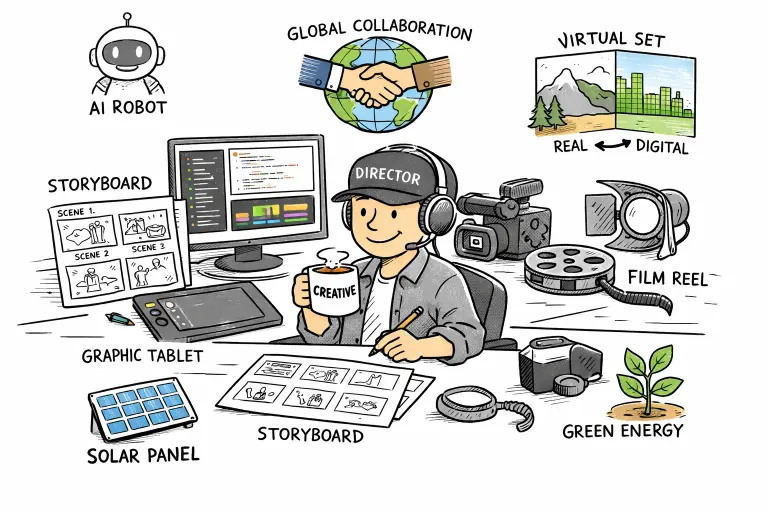
Virtual production is at the vanguard of the modern filmmaking revolution. By combining LED volumes, motion capture, and real-time computer graphics, virtual production enables the creation of entire worlds on set. Netflix’s consolidation of its VFX and virtual production services under the “Eyeline” brand is a prime example of how the industry is prioritizing innovation and collaborative tool development. This trend fosters closer creative collaboration and enhances project efficiency.
Virtual production also allows directors to experiment with camera angles, lighting, and compositions in a digitally rendered environment before committing resources to physical shoots. This approach is redefining everything from big-budget feature films to interactive live events and advertising, offering heightened flexibility and cost savings.
Sustainable Practices in Production
The creative industry is awakening to its environmental responsibilities. Studios and agencies are increasingly prioritizing sustainability by reducing set waste, utilizing green energy, and digitizing workflows whenever possible. Alongside digital improvements, many industries are also focusing on upgrading physical production processes. Modern production equipment helps reduce waste and improves efficiency on the manufacturing side, supporting more sustainable output overall.
These practices are not only about meeting regulatory expectations, but also aligning production studios with growing consumer values around sustainability. According to Variety, industry leaders are adopting third-party certification and transparent reporting to validate their environmental promises and build trust with audiences.
Personalized Content Strategies
Data-driven personalization is now key in content creation. As audience preferences shift rapidly, studios use data analytics and AI to monitor habits, segment audiences, and customize content, building stronger loyalty. Marketers and strategists can segment audiences and create modular content, delivered via dynamic ads or social feeds, to boost engagement. Real-time feedback and adaptive creative help optimize messaging and ROI. To succeed in 2026 and beyond, studios must combine technology, sustainability, and audience-focused storytelling. Innovators, committed to creativity and responsibility, will shape the future of media and entertainment.
Conclusion
The future of content creation is shaped by technology, collaboration, and responsibility. From AI workflows and hybrid models to virtual production and sustainability, the industry is becoming more agile and creative. These innovations streamline processes, cut costs, and enhance storytelling. Personalized, data-driven content keeps audiences central. Studios integrating innovation, audience insight, and eco-awareness will succeed. Embracing these trends will enable them to lead the industry’s future.