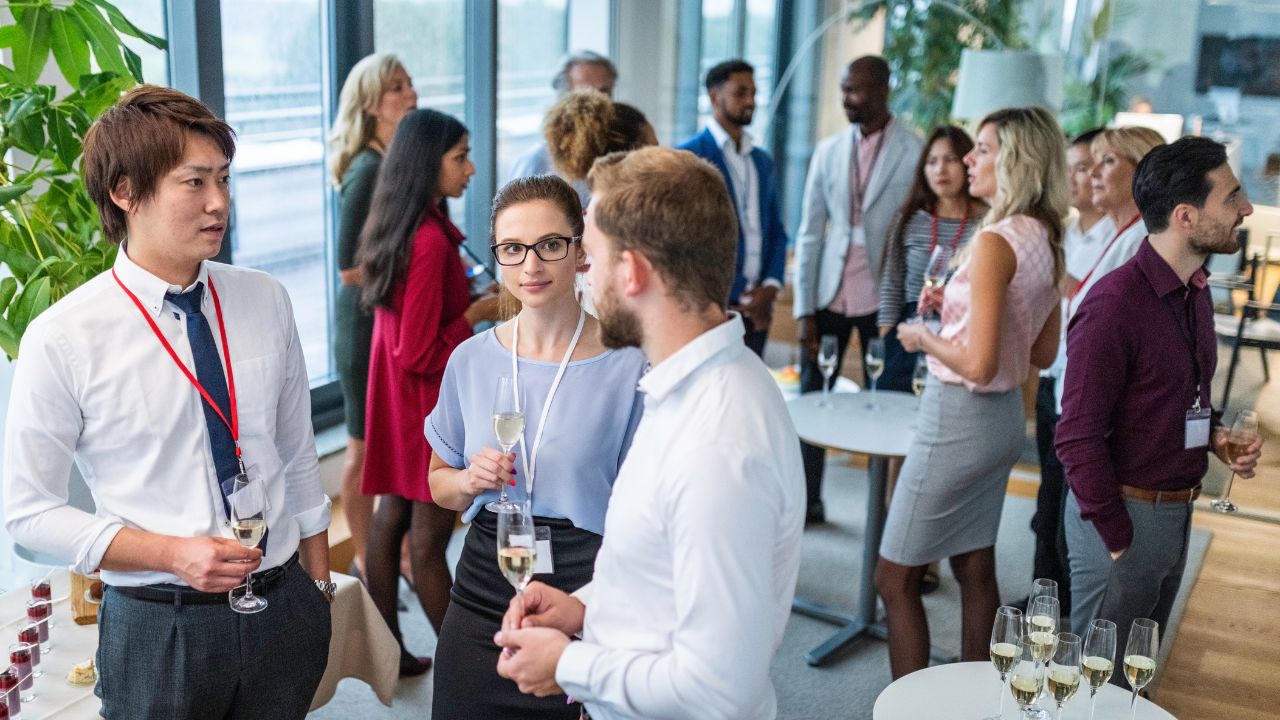

Modern business relationships are rarely built entirely over emails or brief video calls. While digital communication is incredibly efficient for day-to-day operations, there is an undeniable power in face-to-face interaction. For companies looking to strengthen B2B ties and secure long-term brand loyalty, corporate hospitality has evolved from simple dinners into immersive, carefully designed experiences. The way a physical space is curated speaks volumes about a brand. It sets the stage for meaningful networking, establishes trust, and ultimately helps to finalise important partnerships. In a highly competitive market, hosting a memorable corporate event gives businesses a distinct edge over competitors who rely solely on digital outreach to make an impression.
Creating this premium environment requires careful planning and a deep understanding of guest psychology. The physical comfort of your attendees directly dictates how long they will stay and how openly they will communicate. If you are organising a major function in Victoria, partnering with experts in furniture hire melbourne allows you to seamlessly integrate high-quality, local event infrastructure that perfectly aligns with your professional image. Selecting the right banquet tables, plush lounge seating, and elegant decorative pieces can quickly transform a generic, empty room into an exclusive networking hub. Premium infrastructure signals to your guests that you value their comfort and are willing to invest heavily in their overall experience.
Table of Contents
The Financial Impact of Experiential Marketing
The global shift towards experiential marketing is not just a passing creative trend. It is a highly calculated business strategy with measurable financial returns. Companies are increasingly recognising that immersive environments leave a lasting impression on clients, which translates directly into sustained brand loyalty. According to recent market research, physical events are proving highly lucrative for modern enterprises. In fact, live events generate rich data collection, facilitate emotional connections, and build long-term brand loyalty, which dramatically increases the net ROI of experiential marketing.
These compelling outcomes highlight that corporate events are no longer seen as optional, nice-to-have perks. They are core drivers of business growth and client retention. When you allocate budget toward a physical event, you are actively investing in the very environment where deals are negotiated, contracts are signed, and long-term business relationships are cemented. A thoughtfully executed event provides a tangible representation of your brand values, allowing clients to experience your company culture firsthand rather than just reading about it in a corporate brochure.
Designing Spaces that Foster B2B Connections
Securing an excellent venue is only the first step in successful corporate hospitality. The real magic happens in how that space is structured, furnished, and operated. An engaging physical environment is absolutely essential for effective networking. This is a concept well understood by those who invest heavily in physical spaces to elevate their brand. For instance, just as securing a premium headquarters through a modern office leasing guide establishes a highly professional daily image, a meticulously designed corporate function captures immediate attention and encourages guests to linger.
Every single detail matters when creating a welcoming and productive atmosphere. The layout of the room must encourage organic movement, preventing awkward bottlenecks near entrances or catering stations. Lighting choices play a critical role in setting the mood, with warm, ambient lighting proving much more inviting than harsh fluorescent bulbs. Furthermore, the overall decor must reflect a level of sophistication that matches the calibre of the guests in attendance. By curating every sensory detail, event planners can craft a cohesive narrative that subtly reinforces the company’s market position.
Key Elements of High-Impact Corporate Environments
To truly elevate a corporate hospitality experience, event organisers and business owners need to focus on several strategic design elements. A successful event space seamlessly blends sophisticated aesthetics with practical functionality. Consider the following core strategies when planning the layout and design of your next professional gathering:
- Strategic Layout and Flow: Avoid overcrowding the room with too much furniture. Ensure there are distinct zones for formal presentations, dining, and casual networking. Open, intuitive pathways encourage guests to mingle and move freely around the room without feeling trapped or restricted.
- Comfort and Ergonomics: If you expect clients to stay and engage in deep, meaningful conversations, you must provide comfortable seating options. High-top cocktail tables are fantastic for quick chats, while plush, dedicated lounge areas facilitate much longer, more relaxed business discussions.
- Subtle Brand Integration: Your corporate identity should be present but never visually overwhelming. Use your brand colours subtly in floral arrangements, ambient lighting, or table linens rather than plastering large, distracting corporate logos on every available surface.
- Sensory Engagement: Pay close attention to background music volume, room temperature, and lighting levels. A space that is too loud, too cold, or too brightly lit can quickly fatigue your guests and cut valuable networking opportunities short.
Ultimately, the design of your event space is a direct reflection of your business standards. By carefully considering how you structure your corporate hospitality events, you create an environment where clients feel valued, relaxed, and receptive to new ideas. Strategic event design goes far beyond simple aesthetics. It is a powerful, multifaceted tool for relationship management, brand positioning, and continued commercial success. When executed correctly, a well-designed corporate gathering pays dividends long after the final guest has gone home.