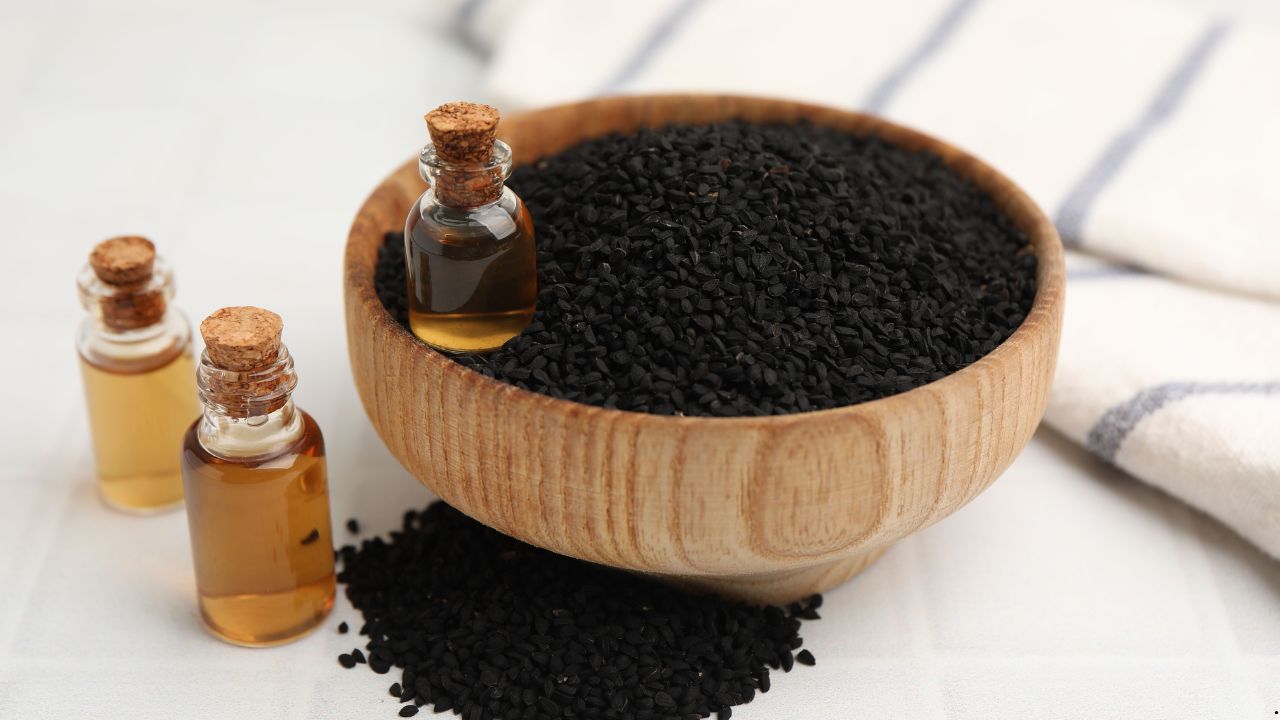

Black seed oil has become a popular supplement thanks to the attention given to its active component, thymoquinone. When selecting a high-quality product, understanding what affects potency and how processing impacts overall benefits can help you make an informed choice. This guide breaks down the key factors that influence strength and effectiveness without overwhelming you with technical jargon.
Table of Contents
Understanding the Importance of Thymoquinone
Thymoquinone is a naturally occurring compound found in the seeds of Nigella sativa. Researchers have studied its presence in seed oil and how higher concentrations are often associated with stronger antioxidant profiles. Not all seed oils offer the same levels of this compound, so paying attention to quality markers is essential.
The amount of thymoquinone can vary significantly based on cultivation, extraction methods, and storage conditions. That’s why products marketed with higher thymoquinone content tend to stand out. They are often derived from seeds harvested at optimal times and processed with precision.
How Cultivation and Harvesting Affect Quality
Seeds grown under favorable soil conditions, with appropriate climate and care, are more likely to develop robust chemical profiles. When seeds reach full maturity before harvest, they tend to contain richer nutrient concentrations. You can explore similar insights on cultivation techniques for other seeds like marijuana seeds.
Once harvested, how seeds are handled matters just as much. Excessive heat, sunlight, or moisture can degrade delicate components like thymoquinone. That means oil from fresh, well-handled seeds usually retains more potency than oil from older or poorly stored seeds.
Extraction Methods Make a Difference
Extraction is one of the most important stages for preserving active compounds. Traditional cold-press methods gently coax oil from seeds without using harsh heat or chemicals. This approach typically yields oil with more aroma, flavor, and natural constituents intact.
Some commercial extraction techniques involve heat or solvents to increase yields, but these can also diminish beneficial compounds. While these products may be marketed at lower prices or higher volumes, they don’t always deliver the concentrated profiles buyers seek. For those interested in extraction-based products, CBD creams offer another example of how processing affects potency.
When evaluating options, consider whether the processing method prioritizes purity and compound stability. Labels that highlight “cold-pressed” or “first-press extraction” often indicate careful handling that protects thymoquinone and other valuable elements.
Storage and Packaging Impact Potency
Exposure to light, heat, and air can accelerate breakdown of key compounds in any botanical oil. That’s why proper packaging, such as dark glass bottles with tight seals, can help maintain quality over time. Oils kept in clear plastic or thin containers may degrade faster, lowering their potential effectiveness.
Proper storage after purchase also makes a difference. Storing oil in a cool, dark place away from sunlight preserves its characteristics long after you bring it home.
What to Look for on Labels
When comparing products, here are practical tips to help you assess quality:
- Look for clear information about extraction methods
- Seek products that specify seed origin and harvesting details
- Pay attention to packaging designed to protect the oil
- Avoid labels with vague terminology or missing processing details
Final Thoughts
When evaluating options, asking questions about sourcing, extraction, and packaging helps ensure you choose black seed oil that delivers the most benefit from its active constituents. Understanding these quality factors empowers you to make smart decisions rather than comparing marketing claims alone.