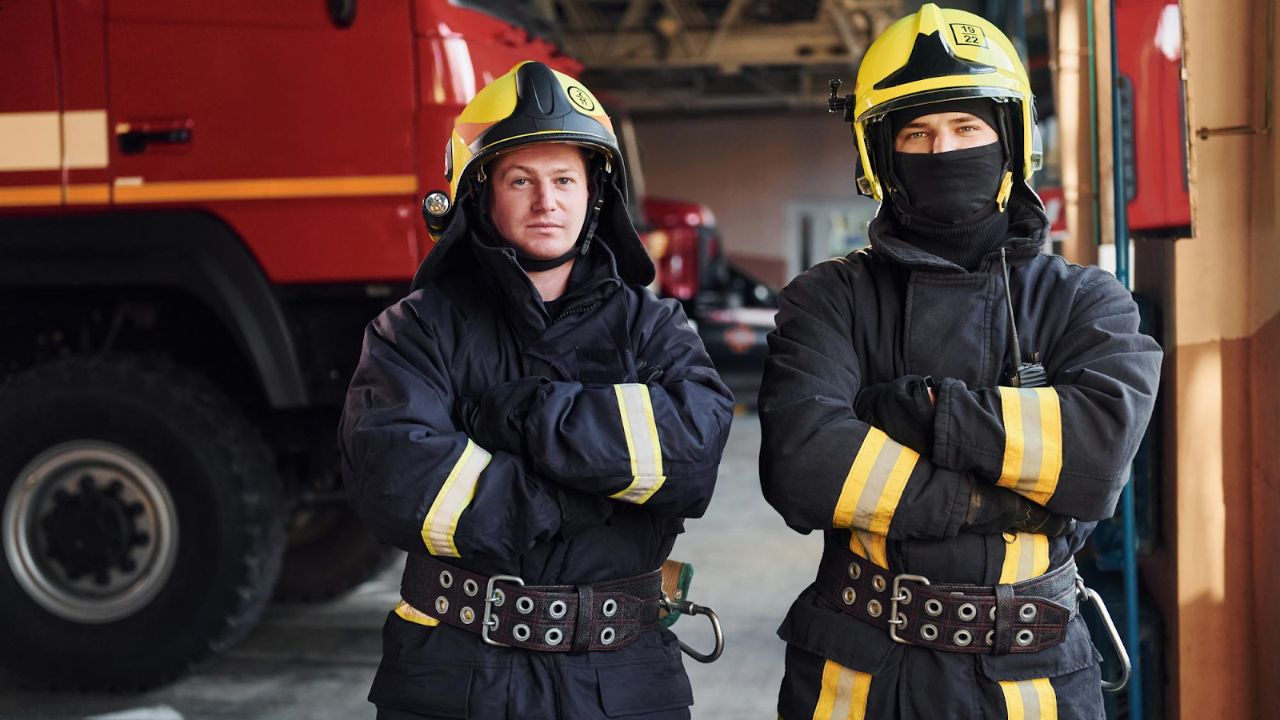

Fire protection systems such as alarms, sprinklers, and smoke detectors are designed to work silently in the background, ready to respond the moment danger appears. When these systems fail, even temporarily, the risk to life and property increases significantly. Fire system outages can occur due to maintenance, renovations, power failures, or unexpected malfunctions. During these periods, maintaining compliance with fire safety standards becomes both a legal and practical challenge. This is where fire watch guards play a critical role, ensuring continuous protection and helping facilities remain safe, compliant, and operational.
Table of Contents
Understanding Fire System Outages and Their Risks
Fire system outages refer to periods when essential fire protection equipment, including alarms and fire suppression systems, is partially or fully nonfunctional, creating temporary gaps in automated fire protection. These outages may be planned, such as during upgrades or inspections, or unplanned, such as after storms, electrical faults, or equipment failures. Regardless of the cause, the absence of automated detection and suppression systems leaves a gap in safety coverage.
The primary risk during an outage is delayed response. Without alarms or sprinklers, a small ignition source can escalate into a major fire before occupants or emergency services are alerted. In commercial and industrial settings, this risk is amplified by the presence of machinery, electrical loads, and combustible materials. Residential buildings face different but equally serious dangers, including reduced evacuation time and increased smoke exposure.
Fire codes and insurance policies recognize these risks. Many regulations require compensatory measures whenever fire systems are offline, often mandating continuous monitoring of the premises. Failure to implement such measures can lead to fines, shutdown orders, increased liability, and denied insurance claims. Maintaining safety during outages is not optional but a fundamental responsibility.
What Are Fire Watch Guards and What Do They Do
Fire Watch Guards are trained professionals assigned to monitor a property when fire protection systems are impaired, performing duties similar to patrol security guards who actively observe premises, identify risks, and ensure overall safety through regular patrols. Their primary duty is to conduct regular patrols, identify potential fire hazards, and respond immediately if smoke, fire, or unsafe conditions are detected. Unlike automated systems, these guards rely on human awareness, judgment, and mobility.
Typical responsibilities include inspecting high risk areas, checking for blocked exits, ensuring fire extinguishers are accessible, and verifying that no unauthorized hot work or hazardous activity is taking place. Guards also maintain detailed logs of patrol times, observations, and corrective actions taken. These records are often required by fire marshals, inspectors, or insurance providers as proof of compliance.
In the event of an incident, guards are trained to initiate emergency procedures, alert occupants, contact fire departments, and assist with evacuation if required. Their presence provides a proactive layer of protection that bridges the gap until fire systems are fully restored.
Maintaining Compliance With Fire Codes and Regulations
Fire safety standards are governed by local, state, and national codes, such as those issued by fire departments or building authorities. These regulations typically specify that when a fire alarm or suppression system is out of service, alternative measures must be implemented to ensure equivalent protection. Fire Watch Guards are often the most widely accepted solution.
Authorities Having Jurisdiction frequently require written fire watch plans outlining patrol frequency, coverage areas, and reporting procedures. Guards help facilities meet these requirements by following structured protocols aligned with code expectations. Their training ensures familiarity with applicable regulations, evacuation routes, and emergency communication methods.
Compliance is not only about avoiding penalties. Adhering to standards demonstrates due diligence and a commitment to occupant safety. In the event of an incident, documented fire watch services can significantly reduce legal exposure by showing that reasonable precautions were in place during the outage.
Reducing Fire Risk Through Active Human Monitoring
Automated systems excel at rapid detection, but they cannot assess context or intervene before ignition occurs. Fire Watch Guards add value by identifying hazards before they become emergencies. Examples include overheated equipment, improper storage of flammable materials, blocked exits, or unauthorized smoking.
Human patrols can adapt to changing conditions throughout the day and night. Construction zones, temporary electrical setups, or increased occupancy levels all present dynamic risks that require situational awareness. Guards can communicate concerns to facility management immediately, allowing corrective action before conditions worsen.
This proactive approach significantly reduces the likelihood of fires starting in the first place. By addressing hazards early, guards help maintain a safer environment even in the absence of fully functioning fire systems.
Protecting Occupants, Assets, and Business Continuity
The primary objective of fire safety is the protection of human life. During a system outage, occupants may feel uncertain or anxious, especially in high density buildings such as offices, hotels, hospitals, or residential complexes. The visible presence of trained guards provides reassurance that safety is being actively managed.
Beyond life safety, fire incidents can cause extensive property damage and operational disruption. For businesses, even a minor fire can lead to downtime, data loss, and reputational harm. Fire Watch Guards help mitigate these risks by ensuring rapid response and early intervention, reducing the severity of potential incidents.
Insurance providers also recognize the value of fire watch services. Maintaining continuous monitoring during outages can help preserve coverage and prevent claim disputes. From a risk management perspective, the cost of fire watch services is minimal compared to the potential losses from an uncontrolled fire.
The Role of Fire Watch Guards in Different Industries
Fire system outages affect a wide range of industries, each with unique risk profiles. In construction and renovation projects, systems are often disabled temporarily, while hot work activities increase ignition risk. Guards monitor work zones, ensure permits are followed, and watch for sparks or smoldering materials.
In healthcare facilities, system reliability is critical, yet maintenance is unavoidable. Fire Watch Guards help protect vulnerable occupants who may have limited mobility, ensuring evacuation routes remain clear and response times are minimized.
Industrial and manufacturing sites present additional challenges due to heavy machinery, chemicals, and high energy processes. Continuous patrols help identify abnormal conditions that automated systems might miss. In residential and commercial buildings, guards focus on common areas, mechanical rooms, and egress paths to maintain overall safety.
Why Professional Fire Watch Services Matter
Not all fire watch arrangements are equal. Assigning untrained staff or relying on informal monitoring can leave gaps in coverage and fail to meet regulatory expectations. Professional Fire Watch Guards bring specialized training, clear procedures, and accountability.
When adding a safety layer during outages, using a dedicated Fire Watch Guards service ensures that monitoring is consistent, documented, and aligned with fire code requirements. These professionals understand how to identify risks, communicate with authorities, and respond under pressure. Their neutrality and focus on safety make them a reliable choice for facilities seeking compliance and peace of mind.
Professional services also offer flexibility, providing coverage for short term outages, overnight monitoring, or extended projects. This adaptability allows property managers and owners to maintain safety without diverting internal resources.
Documentation, Reporting, and Accountability
One often overlooked aspect of fire watch services is documentation. Detailed logs of patrols, observations, and actions taken are essential during fire system outages. These records demonstrate compliance and provide transparency for inspectors, insurers, and management.
Fire Watch Guards are trained to maintain accurate logs, noting patrol times, areas inspected, and any hazards identified. If corrective actions are taken, these are recorded as well. In the event of an inspection or incident investigation, such documentation can be critical.
Accountability also extends to communication. Guards report issues promptly to designated contacts and, if necessary, escalate concerns to emergency services. This structured approach ensures that nothing is overlooked during periods of increased risk.
Conclusion
Fire system outages create a temporary but serious vulnerability in any building or facility. Maintaining fire safety standards during these periods requires more than good intentions. It requires active monitoring, regulatory compliance, and rapid response capabilities. Fire Watch Guards provide an effective and widely accepted solution, bridging the gap between automated protection and full system restoration.
Through continuous patrols, hazard identification, and detailed reporting, these professionals help protect lives, property, and operations. Their role supports compliance with fire codes, reduces liability, and ensures that safety remains a priority even when systems are offline. In an environment where fire risks cannot be eliminated entirely, proactive human oversight remains one of the most reliable defenses.
FAQs
What triggers the need for fire watch services during a system outage
Fire watch services are typically required when fire alarms, sprinklers, or other protection systems are offline due to maintenance, malfunction, or damage, and local fire codes mandate compensatory measures.
How often do Fire Watch Guards patrol a property
Patrol frequency depends on local regulations and risk levels, but guards often conduct continuous or hourly patrols to ensure constant monitoring during outages.
Are Fire Watch Guards recognized by fire authorities
Yes, trained and documented fire watch services are widely recognized by fire departments and Authorities Having Jurisdiction as an acceptable safety measure during outages.
Can fire watch services reduce insurance risks
Maintaining active monitoring during system outages can help preserve insurance coverage and demonstrate due diligence, potentially reducing claim disputes.
Is fire watch only required for large buildings
Fire watch requirements apply to buildings of all sizes if fire protection systems are impaired and local codes require alternative safety measures.

