Key Takeaways
- Print marketing offers a memorable, physical connection with customers.
- A combination of print and digital deepens engagement and brand reach.
- Modern print technologies can cut costs and streamline operations.
In the age of digital dominance, it’s easy to overlook the enduring power of print. However, small businesses are increasingly rediscovering the unique benefits of well-executed print solutions, sparking a new era in which print and digital coexist as complementary assets. While many assume digital is the only way forward, print provides an unmatched sense of legitimacy and presence in the crowded marketplace. By weaving physical marketing efforts into broader campaigns, businesses can gain a memorable edge, delivering messages in ways that digital cannot fully replicate. For small businesses eager to maximize their brand reach, MidAmerican Printing Systems stands out as a vital partner, offering high-impact print services tailored to meet the diverse needs of growing companies.
While digital channels offer remarkable speed, scalability, and measurement, they frequently risk getting lost in the noise of countless emails, social posts, and online ads. Print marketing, by comparison, delivers a tangible, memorable experience that cuts through distractions and commands attention in an overstimulated environment. By merging print and digital efforts, smart businesses broaden their reach and achieve highly effective marketing results. Consider how a direct mail piece can linger on a customer’s desk, sparking curiosity and action long after emails are deleted, or how a branded brochure can spark conversation and foster trust. These strategic blends result in campaigns that are not only seen but also remembered.
Table of Contents
The Tangible Impact of Print Marketing
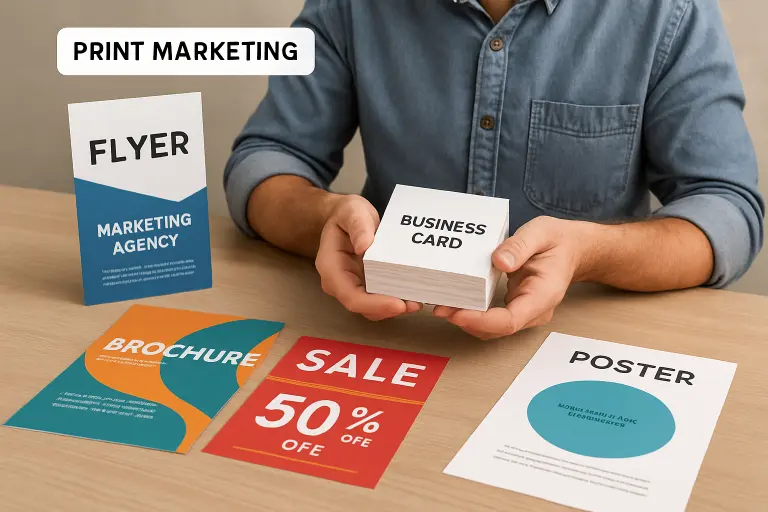
Print’s physical presence is a key advantage. Well-designed materials like brochures, business cards, or mailers command attention more effectively than digital content. Research shows print often elicits stronger responses and better recall. These pieces can stay in offices or homes for weeks or months, offering repeated exposure without extra effort. The tactile quality of print, like textured cards or glossy catalogs, enhances impact, creating a multisensory experience that digital can’t match. People tend to trust what they can touch, boosting the perceived value and credibility of brands that invest in quality print materials.
Combining Print and Digital Strategies
Today’s successful marketing campaigns often combine print and digital channels to reach customers offline and online. Print materials, such as flyers, can include QR codes, scannable call-to-actions, personalized URLs, or event promos to encourage digital interaction. This bridges traditional and digital engagement, making responses measurable. A multi-channel approach caters to diverse preferences and demographics, with print pieces potentially driving online visits or shares, increasing digital presence. Coordinated efforts boost visibility, response rates, and brand loyalty through a unified customer journey.
Leveraging Print-on-Demand Services
For small businesses wary of high upfront costs and inventory management, print-on-demand (POD) services offer a path toward efficiency, flexibility, and creativity. POD platforms enable companies to produce marketing collateral, branded merchandise, and custom packaging only as needed, reducing overproduction, storage costs, and financial risk. This model lets businesses experiment with new designs, seasonal campaigns, or special event materials without committing to large print runs. Insights from Forbes Advisor highlight how POD is democratizing access to high-quality print, enabling even the smallest brands to respond swiftly to changing trends and specific customer segments.
Print-on-demand can also be a vehicle for rapid product launches, market testing, and niche targeting. By promptly producing and shipping only what’s ordered, businesses reduce waste and leverage customer data to refine their offerings. This level of supply chain agility reflects how print operations are evolving to support modern business demands.
Investing in Modern Print Technologies
Embracing advanced print technologies is essential for small businesses to boost efficiency and produce professional materials. Digital presses, automated cutting, and variable data printing enable quick, vibrant, targeted prints regardless of quantity. This removes fears of high costs for short runs or custom batches. Modern tools allow for the production of the right amount when needed. Eco-friendly inks, recyclable paper, and sustainable processes reduce environmental impact, reflecting broader shifts in the print media market. Green printing shows social responsibility and appeals to eco-conscious customers, helping brands stand out in sustainability-focused markets.
Enhancing Customer Engagement Through Personalization
Personalization is now at the heart of every high-performing marketing campaign, and print is no exception. Using customer data, companies can create materials tailored for specific audiences, leveraging names, locations, interests, and purchase histories. Variable data printing powers this transformation, enabling the production of custom postcards, catalogs, event invitations, and mailers at scale. Personalized print materials consistently achieve higher open and response rates because they resonate more strongly with recipients. This ability to engage customers on an individual level leads to deeper connections and lasting loyalty.
Building Credibility and Trust
In a crowded digital world, consumers seek trustworthy brands. High-quality materials supported by strong graphic design services convey stability and professionalism. According to The New York Times, print still carries reliability and authority that digital campaigns sometimes lack. This trust is especially important for small businesses seeking to build credibility. Additionally, professional printed materials during meetings or visits add a personal touch that digital often can’t, helping to win cautious stakeholders and build a memorable brand.
Conclusion
Small businesses looking to fuel their growth should recognize that print solutions play an essential role in a balanced marketing strategy. From immersive, tactile engagement and advanced personalization to lasting credibility and innovative print technology, print marketing continues to thrive alongside digital solutions. By thoughtfully integrating print with digital campaigns, investing in modern technology, and making each touchpoint memorable, businesses can create stronger, more impactful marketing efforts that drive long-term growth and customer loyalty.