
Key Takeaways
- Understanding routine dental procedures empowers patients to make informed decisions about their oral health.
- Regular dental cleanings and exams are crucial for preventing more serious dental issues.
- Modern dental treatments are designed with patient comfort and long-term oral health in mind.
Oral health is fundamental to your overall well-being, and being familiar with common dental treatments can ease anxiety when visiting the dentist and guide you in maintaining a healthy smile. From regular dental exams to advanced restorative options, knowing what to expect can help you feel more comfortable, informed, and proactive about your dental care.
Regular dental exams are crucial for the early detection and prevention of dental diseases. These visits not only maintain your smile but also contribute to your overall quality of life. Careful routine hygiene, combined with professional treatments, reduces the risk of future problems and supports lifelong oral health.
The Centers for Disease Control and Prevention (CDC) emphasizes that oral diseases, ranging from cavities to gum disease, are often preventable with proper dental care and regular checkups. By understanding the details of standard dental procedures, you can approach treatment decisions with clarity and confidence.
Table of Contents
Dental Cleanings
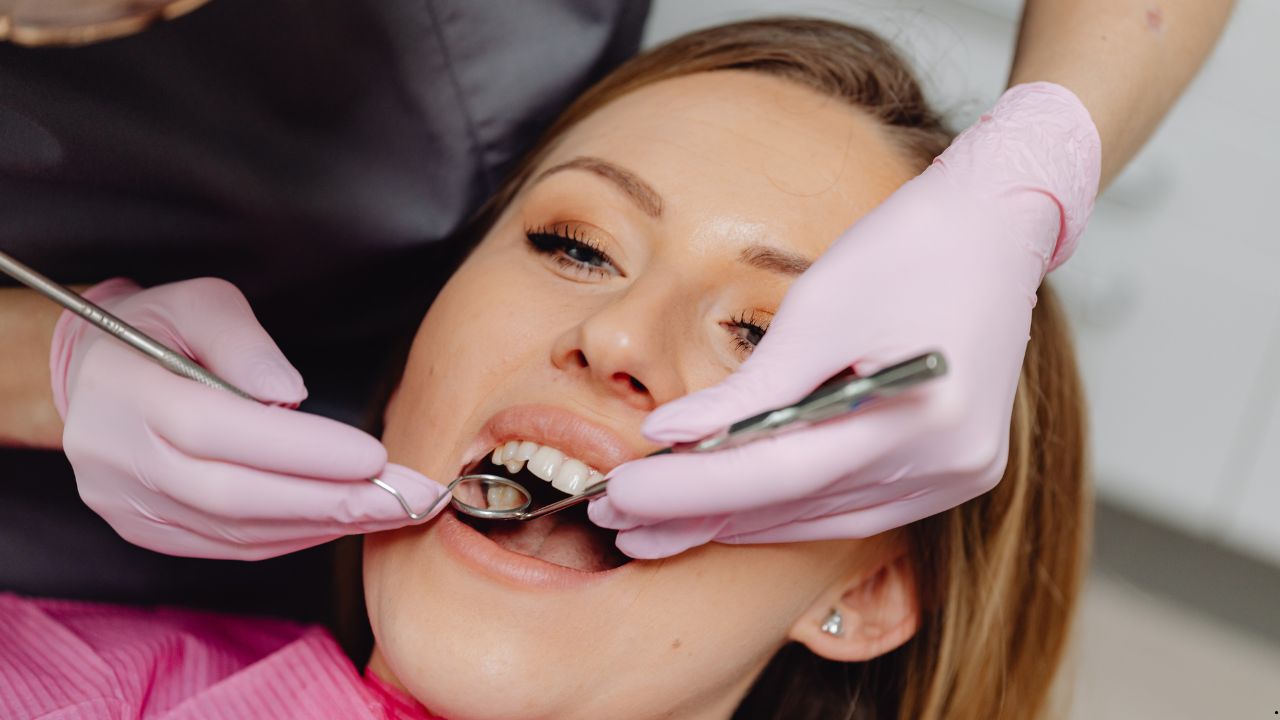
Professional dental cleanings are recommended at least twice a year to remove plaque and tartar, which routine brushing and flossing cannot eliminate. During these visits, a dental hygienist will carefully clean your teeth and offer guidance on the best at-home oral hygiene practices. These appointments are crucial for the early detection of gum disease and other potential issues.
As recommended by the American Dental Association (ADA), regular cleanings help prevent cavities, gingivitis, and other dental diseases. Preventive care is the cornerstone of long-term oral health, helping to avoid more invasive treatments later on.
Dental Fillings
Dental fillings are a standard solution for cavities caused by tooth decay. After removing the decayed material, dentists restore the tooth with composite resin, amalgam, or other durable materials. Fillings halt further decay and restore the tooth’s normal function and appearance. Maintaining healthy dietary habits and dental hygiene can reduce the likelihood of needing fillings.
Root Canal Therapy
This procedure becomes necessary when decay or trauma reaches the inner pulp of a tooth, causing infection or inflammation. During a root canal, the infected tissue is removed, the canal is cleaned and disinfected, and then it’s sealed to prevent reinfection. Modern root canal therapy is far less daunting than its reputation suggests and can comfortably save a tooth from extraction. For a comprehensive overview, visit the Mayo Clinic’s root canal resource.
Dental Crowns
Dental crowns serve as a protective cap for teeth that are structurally compromised due to decay, fractures, or extensive fillings. These crowns restore the tooth’s shape, appearance, and function, enabling normal chewing and speaking. The process often involves reshaping the tooth and taking impressions so the crown fits securely over the treated area. Crowns can be beautifully matched to the color of your natural teeth.
Tooth Extractions
When a tooth is severely damaged or infected and cannot be restored, extraction becomes necessary. Dentists perform extractions as gently as possible and discuss aftercare and replacement options, such as bridges or implants. Proper post-extraction care promotes healing and prepares patients for restoration should they wish to replace the missing tooth later.
Dental Implants
Dental implants offer a lasting and natural-feeling solution for missing teeth. By anchoring a titanium post in the jawbone, implants provide a stable base for artificial teeth. They help prevent the bone loss that often follows tooth loss, restoring both function and aesthetics. Implant procedures are typically performed in stages to ensure optimal results, and they are known for their high success rates and longevity.
Orthodontic Treatments
Correcting misaligned teeth and jaws is not only beneficial for aesthetics but also essential for oral health. Braces and clear aligners such as Invisalign can straighten teeth and improve bite alignment. This adjustment makes teeth easier to clean, reducing the risk of decay and gum disease. Orthodontic treatments can start at a young age, but more adults than ever are opting for discreet methods to achieve a healthier, straighter smile. The WebMD Orthodontics Guide provides detailed explanations of various treatment options.
Teeth Whitening
Teeth whitening is a popular cosmetic procedure designed to remove surface stains and lighten the color of teeth. From in-office bleaching to safe, dentist-supervised at-home kits, there are multiple options available. Professional guidance ensures safe and effective results, particularly for individuals with sensitivities or a history of previous dental work. It’s always best to consult your dentist before starting any whitening regimen to ensure it’s appropriate for your oral health needs.
Becoming familiar with these vital dental procedures can help you make more informed decisions about your dental care. Through regular professional checkups and open communication with your dental team, maintaining a healthy and vibrant smile is achievable for life.