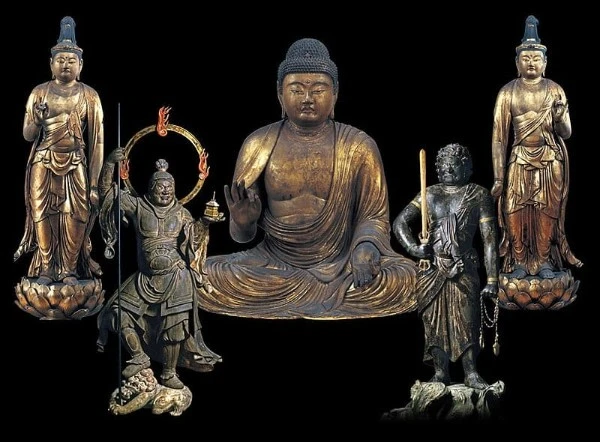

In today’s fast-paced world, moments of stillness and reflection are more valuable than ever. While digital tools and wellness apps can help manage stress, ancient practices remind us that calm and clarity are cultivated through consistent mindfulness and symbolic cues. Sacred statues have long served this purpose, offering visual anchors that encourage introspection, focus, and a connection to inner wisdom.
ShaolinMart’s Buddha & Deity Statues collection brings this ancient heritage into modern life. Handcrafted with care, these statues blend the timeless artistry of the Shaolin Temple with functional design suitable for homes, offices, meditation areas, and altars. They are not just decorative objects—they are companions in cultivating presence, harmony, and spiritual balance.
Table of Contents
Understanding the Significance of Buddha and Deity Statues
Buddha and deity statues hold a profound place in spiritual and cultural history. Each figure is more than an aesthetic creation; it is a representation of principles such as compassion, patience, discipline, and wisdom. Their carefully crafted expressions and poses invite reflection, offering reminders of the qualities we aspire to nurture in daily life.
In Chan (Zen) philosophy, which inspires Shaolin practices, statues function as tools for mindfulness. Rather than being objects of worship, they act as visual cues to bring attention inward, fostering calm, focus, and emotional balance. Even brief interactions—like a glance or a touch—can create a moment of pause that resets the mind.
Shaolin Influence: Where Spirituality Meets Art
Shaolin heritage is celebrated for its unique balance of physical discipline and spiritual depth. Rooted in Chan Buddhism, it emphasizes alignment between body, mind, and spirit—a principle reflected not only in martial arts but also in temple art and sculpture.
Shaolin-inspired statues are designed with intentional simplicity. Every curve, proportion, and posture is crafted to communicate serenity and focus. This thoughtful design makes them perfect for contemporary interiors, blending seamlessly with modern décor while still maintaining their spiritual significance.
Iconic Figures and Their Symbolism
Resting Buddha Statues
Resting Buddha statues represent tranquility, surrender, and the inner peace that comes from acceptance. Often depicted in a seated, relaxed posture, they remind us to release tension and cultivate calm. Sandstone Resting Buddhas, in particular, offer a grounded, earthy presence, making them ideal for meditation spaces, bedrooms, or quiet corners of the home.
Zazen Guardian Figures
Zazen guardian figures symbolize discipline, vigilance, and protection of mindful practice. Traditionally associated with seated meditation, these iron-crafted statues reflect the idea that true inner stillness arises from consistent effort and focus. Their strong, stoic presence encourages perseverance, making them excellent companions for study desks, meditation rooms, or personal altars.
Young Tathagata Depictions
Young Tathagata statues signify purity, potential, and the early stages of the spiritual journey. These figures remind viewers that growth begins with openness, humility, and curiosity. They are perfect for personal altars or as meaningful gifts for individuals embarking on a mindfulness or meditation practice.
Materials That Enhance Presence and Meaning
The choice of material plays a significant role in both the aesthetic and symbolic value of Shaolin-inspired statues:
- Stone and sandstone: Represent grounding, stability, and endurance.
- Brass and bronze: Convey clarity, strength, and timeless wisdom.
- Wood: Reflects natural balance, warmth, and harmony with the environment.
These materials are not only durable but also imbue the statues with subtle energy, enhancing their ability to influence the mood of a space and create a sense of calm.
Integrating Buddha and Deity Statues into Modern Spaces
Despite their historical roots, Buddha and deity statues complement modern living. They can be placed on shelves, desks, side tables, or meditation altars. Even a single statue can transform the ambiance of a room, introducing calm, focus, and visual elegance.
Many people use statues as intentional focal points to begin or end the day. A brief observation or mindful touch can reinforce daily intentions, reset emotions, and cultivate awareness, making mindfulness more accessible in a busy lifestyle.
Supporting Meditation and Mindful Practice
For those who meditate, statues serve as anchors for concentration. Gazing at a serene figure can help quiet the mind, stabilize breathing, and strengthen emotional resilience. Over time, these visual cues enhance meditation and create a subtle, lasting influence on mental and emotional well-being.
Even without formal practice, the presence of a statue can encourage small moments of reflection throughout the day. These pauses can help reduce stress, improve focus, and foster a sense of inner harmony.
Thoughtful Décor and Meaningful Gifts
Beyond meditation, these statues are elegant décor pieces. Their understated design complements both traditional and minimalist interiors. Unlike trend-based items, sacred statues retain their relevance because their value comes from meaning rather than style.
They also make thoughtful gifts, symbolizing peace, clarity, and well-being. A Buddha or deity statue can be a powerful gesture for housewarmings, milestones, or special occasions, expressing care and intention.
Craftsmanship Rooted in Tradition
Shaolin-inspired statues are handcrafted with precision and respect for traditional forms. Artisans focus on posture, proportion, and expression to ensure that each figure embodies the calm dignity and mindful presence central to Chan teachings. This craftsmanship guarantees that the statues are not just objects, but enduring companions that inspire reflection for years.
Choosing the Right Statue for Your Space
Selecting a statue is a personal journey. Consider the qualities you wish to invite—peace, focus, inspiration, or protection—and choose a figure that resonates with that intention. Placement is equally important: choose a clean, quiet, and respectful area where the statue can be appreciated and serve its purpose effectively.
Voice Search Friendly FAQ
Why keep a Buddha statue at home?
It promotes calm, mindfulness, and a peaceful atmosphere.
Do I need to be Buddhist to display a Buddha statue?
No, anyone seeking balance, clarity, and calm can benefit.
Where should a Buddha statue be placed?
In a clean, serene area where it can be viewed with respect and mindfulness.
Final Thoughts
Buddha and deity statues carry centuries of wisdom and reflection. Shaolin-inspired figures combine ancient temple artistry with modern functionality, offering both spiritual depth and visual elegance. Whether placed on an altar, desk, or quiet corner, they encourage mindfulness, calm, and presence in everyday life.
Welcoming these statues into your home or workspace creates moments of stillness and intention, gently reminding you that inner harmony begins within—and radiates outward naturally.