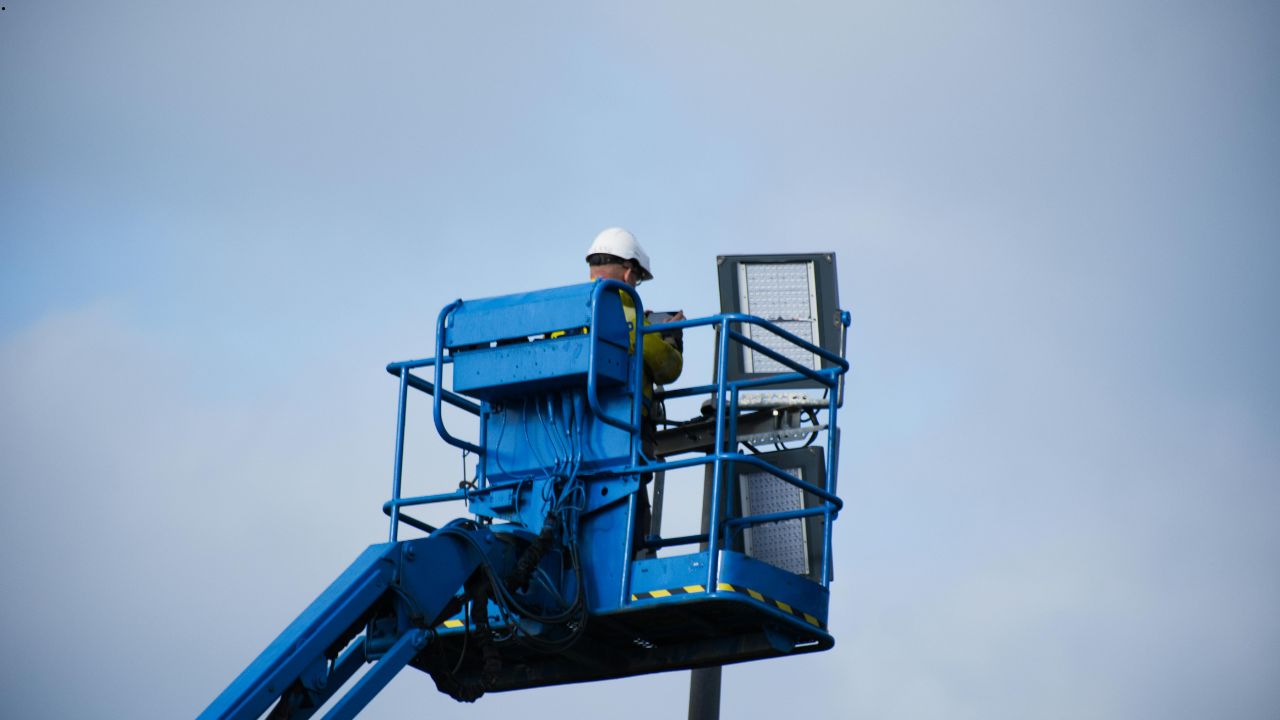

When it comes to lift maintenance, selecting the right lift maintenance contract can mean the difference between efficient performance and frequent disruptions. As a lift owner or property manager, ensuring that your maintenance agreement covers all critical aspects is essential for safety, compliance, and long-term reliability. To help you navigate this decision, here’s an essential checklist to guide you in securing a reliable lift maintenance contract.
Table of Contents
Understanding the Foundation of Effective Contracts
A truly reliable lift maintenance contract serves as more than just a service agreement—it establishes a partnership framework that protects both parties while ensuring optimal lift performance. The best contracts are built on mutual understanding, clear communication, and realistic expectations about what can be achieved within the agreed terms.
For lifts and other equipment, following proper safety practices is key to avoiding accidents. Learn more about lifting safety tips to protect your team and equipment. This collaborative approach forms the foundation upon which all other contract elements should be built.
1. Comprehensive Coverage of Services
Not all lift maintenance contracts offer the same level of service. Ensure that your contract includes routine inspections, emergency repairs, and preventive maintenance. If a contract lacks transparency on certain services, it may lead to unexpected costs later on.
Defining Service Scope and Limitations
The scope of services should be explicitly defined to avoid misunderstandings about what is and isn’t included in your maintenance agreement. This includes clarifying whether the contract covers only the lift machinery itself or extends to related systems such as fire service controls, emergency communication systems, and backup power supplies.
Some contracts may exclude certain types of damage, such as vandalism or misuse, while others might have specific provisions for these scenarios. Understanding these boundaries helps prevent disputes and ensures that you can plan for any additional coverage that might be needed to protect your investment fully.
2. Transparent Pricing with No Hidden Fees
A good maintenance contract should provide a clear breakdown of costs, including scheduled servicing, emergency callouts, and replacement parts. Be cautious of vague pricing structures that may lead to unexpected charges.
Transparent agreements prevent budget overruns and ensure you receive the services promised. For instance, contracts from a professional lift maintenance company, such as Hin Chong, will state monthly per-life maintenance prices and fees for annual lift examination charges.
Cost Escalation and Long-Term Budgeting
Understanding how costs may change over the contract period is crucial for long-term budget planning. Some contracts include automatic annual increases based on inflation indices, while others may have fixed rates for the entire contract duration. Keeping your lift machinery in top condition requires regular checks and repairs. Check out our heavy equipment repair guide to ensure smooth operations.
It’s important to understand how major component failures or upgrades will be handled financially, as these can represent significant unexpected expenses. A lift modernisation company like Hin Chong can guide you on how best to maintain cost-effectiveness with progressive life modernisation.
3. Clear Response Times for Emergencies
Lift breakdowns are inevitable, but how quickly your service provider responds can make a significant difference. Your contract should outline specific response times for emergency situations. A reliable provider will guarantee a swift reaction to minimise downtime and inconvenience to users, with a good guideline for emergency response time being within an hour for critical failures.
Defining Emergency Priorities and Response Protocols
Not all lift issues constitute true emergencies, and your contract should clearly define what situations warrant immediate response versus standard service calls. Life-threatening situations, such as trapped passengers or safety system failures, should receive the highest priority, while minor operational issues might be addressed during regular business hours.
Understanding these classifications helps set appropriate expectations and ensures that genuinely critical situations receive the urgent attention they deserve. The contract should also specify the communication protocols for reporting emergencies and the information that should be provided to expedite response times.
4. Customer Responsibilities for Smooth Service
A well-balanced lift maintenance contract should outline not only the service provider’s duties but also your responsibilities as the property owner or manager. Clear obligations, such as ensuring easy access to lift machinery, providing timely approvals for necessary repairs, and addressing environmental factors that may affect lift performance, help facilitate smooth and efficient service delivery.
By fulfilling these obligations, you prevent delays and ensure that maintenance teams can perform their work without unnecessary disruptions.
Building Access and Coordination Requirements
Successful maintenance requires seamless coordination between your facility management team and the service provider. This includes ensuring that maintenance personnel can access all areas of the lift system, including machine rooms, lift wells, and control panels, without compromising building security or disrupting normal operations.
The contract should specify how access will be arranged, including any special procedures for after-hours work or emergency situations. Additionally, your responsibilities may include coordinating with other building contractors or service providers to avoid conflicts and ensure that maintenance activities don’t interfere with other building operations.
5. Regular Compliance Checks and Safety Inspections
Lifts must adhere to safety regulations and industry standards. A well-structured contract should include regular safety checks to ensure your lift complies with the latest legal requirements. This helps prevent legal complications and ensures the well-being of passengers.
Staying Current with Evolving Regulations
Safety regulations and industry standards are constantly evolving, and your maintenance contract should address how these changes will be handled. This includes not only compliance with current regulations but also adaptation to new requirements that may be introduced during the contract period.
Some contracts include provisions for regulatory updates at no additional cost, while others may require separate agreements for compliance-related modifications. Understanding how your service provider stays informed about regulatory changes and implements necessary updates is crucial for maintaining compliance and avoiding potential legal issues.
6. Detailed Lift Maintenance Records
A well-documented maintenance history is crucial for tracking service quality and ensuring compliance with safety regulations. Your contract should mandate that the service provider keeps detailed records of all inspections, repairs, and part replacements. These records not only offer transparency but also help in diagnosing recurring issues, planning future upgrades, and providing proof of compliance if regulatory authorities require it.
Digital Documentation and Accessibility
Modern maintenance contracts should specify how records will be maintained and accessed. Digital documentation systems offer advantages in terms of accessibility, searchability, and backup capabilities. Your contract should clarify how you can access these records, whether through online portals, regular reports, or on-demand requests.
The format and frequency of reporting should be clearly defined, ensuring that you receive the information you need to monitor performance and make informed decisions about your lift systems.
7. Provisions for Contract Termination and Performance Guarantees
Sometimes, service providers fail to meet expectations. Ensure your contract includes clear termination clauses that allow you to switch providers if necessary. Additionally, performance guarantees, such as uptime commitments, can hold your lift maintenance company accountable.
Performance Metrics and Remedies
Effective contracts establish measurable performance standards and specify what remedies are available if these standards aren’t met. This might include response time guarantees, uptime commitments, or customer satisfaction thresholds.
The contract should clearly outline what constitutes a breach of these performance standards and what remedies are available, such as service credits, additional services at no charge, or the right to terminate the contract without penalty. These provisions ensure that the service provider remains accountable for delivering the level of service promised in the agreement.
A Reliable Lift Maintenance Contract
A well-drafted lift maintenance contract is crucial for keeping your lift systems in optimal condition while avoiding unnecessary risks and costs. For professional expertise, check out lift maintenance services by Hin Chong, a trusted name in the industry.

