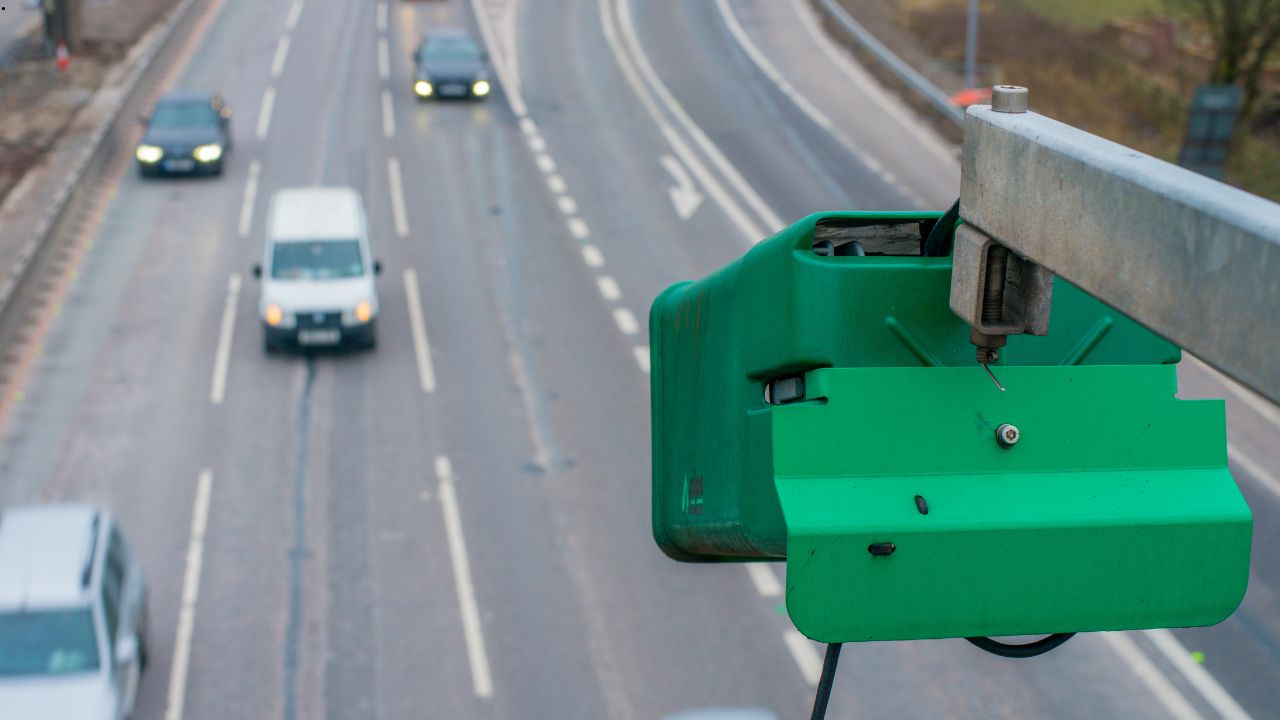
Traffic management around the world is rapidly evolving, with cities adopting smarter technologies to reduce congestion, improve road safety, and enforce traffic laws more effectively. One of the most significant innovations leading this shift is license plate recognition. By automating vehicle identification, this technology is playing a central role in modernizing how authorities manage traffic, ensure compliance, and enhance overall urban mobility.
In this article, we’ll explore what license plate recognition is, how it works, and why it has become an essential tool in smart traffic enforcement.
Table of Contents
What Is License Plate Recognition?
License plate recognition, often abbreviated as LPR, is a computer vision technology that uses cameras and software algorithms to automatically read vehicle license plates. Instead of manually recording or verifying license plate numbers, LPR systems rely on advanced imaging and optical character recognition (OCR) to capture and analyze plates in real time.
A license plate recognition camera is the hardware component that captures high-quality images or video footage of passing vehicles, even at high speeds or in low-light conditions. Once the images are captured, the system processes them to identify the alphanumeric characters on the plate. This data is then matched against databases to support tasks like toll collection, parking management, law enforcement, and security monitoring.
How Does License Plate Recognition Work?
The process begins with a strategically placed camera designed to capture vehicles as they pass by. Unlike regular security cameras, a license plate recognition camera is equipped with features like infrared illumination and high-resolution lenses, ensuring it can record clear plate images in varying weather, lighting, and speed conditions.
Once an image is captured, software algorithms segment the license plate area, enhance its clarity, and extract the characters using OCR technology. These details are converted into digital text that can be cross-referenced with databases for verification or enforcement.
For example, when a vehicle passes through an automated toll gate, the system immediately recognizes the plate, checks it against payment accounts, and either charges the user or flags the vehicle for follow-up if payment isn’t recorded.
Why Is License Plate Recognition Essential for Smart Traffic Enforcement?
As urban populations increase and road networks face higher pressure, traditional manual methods of traffic monitoring are no longer sufficient. License plate recognition provides several advantages that make it indispensable in modern traffic enforcement systems:
- Accuracy and Speed – LPR systems process thousands of vehicles per hour without human error, making them far more efficient than manual checks.
- 24/7 Monitoring – Unlike human personnel, cameras never tire and can continuously monitor roads around the clock.
- Enhanced Road Safety – Identifying speed violations, uninsured vehicles, or stolen cars becomes easier with real-time plate recognition.
- Data-Driven Insights – Authorities can use LPR data to analyze traffic flow, detect congestion patterns, and make informed infrastructure decisions.
Applications of License Plate Recognition in Smart Cities
The integration of license plate recognition into traffic enforcement is transforming multiple areas of urban mobility. Some of the most impactful applications include:
Automated Traffic Violation Detection
LPR systems are increasingly used to identify vehicles running red lights, speeding, or engaging in illegal lane changes. When violations are detected, the system automatically issues tickets without requiring an officer on-site.
Parking Management
From commercial complexes to city streets, license plate recognition is revolutionizing parking. Entry and exit points equipped with LPR cameras allow seamless, ticketless parking while preventing unauthorized access.
Toll Collection and Congestion Charging
Electronic tolling systems are moving away from manual payments and RFID tags. Instead, they use LPR to automatically bill drivers, reducing delays and ensuring smoother traffic flow at checkpoints.
Crime Prevention and Security
Law enforcement agencies use license plate recognition to track stolen cars, locate vehicles linked to crimes, and monitor restricted areas. Real-time alerts enable quick response, improving public safety.
Challenges in Implementing License Plate Recognition
Despite its many advantages, LPR systems also face certain challenges that need to be addressed for widespread adoption:
- Privacy Concerns – Collecting and storing vehicle data raises questions about surveillance and data protection. Clear regulations are necessary to balance enforcement with citizens’ privacy rights.
- Technical Limitations – Extreme weather, damaged plates, or non-standard plate designs can sometimes affect recognition accuracy. However, advancements in camera quality and AI-driven algorithms are significantly reducing these issues.
- Integration with Legacy Systems – Many cities still rely on outdated traffic enforcement infrastructure, making it challenging to implement LPR without extensive upgrades.
The Future of License Plate Recognition in Traffic Enforcement
The future of license plate recognition is closely tied to advancements in artificial intelligence, edge computing, and smart city infrastructure. With AI, recognition accuracy continues to improve, even for challenging conditions like faded plates or complex fonts.
Edge computing allows cameras to process recognition tasks directly on-site, reducing latency and enabling real-time enforcement. In addition, integration with intelligent traffic systems means LPR will work in tandem with traffic signals, smart sensors, and connected vehicles to create more efficient and safer roads.
As governments continue investing in smart city projects, license plate recognition will remain a core technology driving automation and data-driven decision-making in traffic enforcement.
FAQs on License Plate Recognition
Q1. What is the difference between a regular camera and a license plate recognition camera?
A regular camera records images or video without optimization for identifying license plates. In contrast, a license plate recognition camera is engineered with infrared technology, high resolution, and specialized lenses to capture clear images of plates under various conditions, ensuring accurate recognition.
Q2. How accurate is license plate recognition technology?
Modern LPR systems can achieve accuracy rates above 95%, even in challenging scenarios like high-speed traffic or low-light conditions. The use of artificial intelligence and machine learning continues to improve these rates over time.
Q3. Can license plate recognition be used for purposes other than traffic enforcement?
Yes, LPR is widely used in areas like parking management, toll collection, gated community access, and even business logistics to track fleet vehicles. Its applications extend beyond law enforcement into everyday convenience and efficiency.
Q4. Are there privacy risks with license plate recognition?
Like any surveillance technology, LPR raises concerns about how data is collected, stored, and used. To mitigate risks, authorities must enforce strict policies on data retention, access controls, and ensure compliance with privacy laws.
Q5. How does license plate recognition contribute to road safety?
By enabling real-time identification of violators, uninsured drivers, and stolen vehicles, LPR systems help authorities act quickly to prevent accidents and crimes. Additionally, automated enforcement encourages safer driving behavior among road users.
Conclusion
License plate recognition has moved far beyond being a niche technology—it is now central to the future of smart traffic enforcement. With the help of advanced license plate recognition cameras and intelligent software, authorities can manage traffic more effectively, ensure compliance with road laws, and improve public safety.
As cities continue to modernize, this technology will play an even greater role in building efficient, safer, and smarter transportation networks.