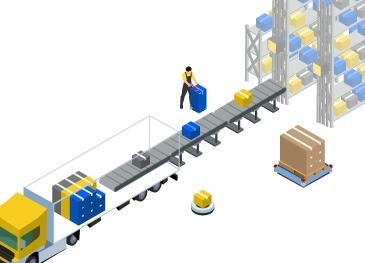
Installing a truck loading conveyor is a critical process for businesses involved in bulk material handling, such as mining, agriculture, construction, and manufacturing. A properly installed conveyor ensures efficient material transfer, reduces labor costs, minimizes spillage, and enhances operational safety. Understanding the step-by-step installation process helps operators and project managers plan, execute, and maintain the system effectively, ensuring long-term reliability and performance.
A truck loading conveyor is a specialized conveyor system designed to transport bulk materials directly into trucks with speed and precision. Proper installation is crucial for the conveyor’s efficiency, safety, and lifespan. From positioning the frame to aligning the belt and securing electrical connections, every step must be executed carefully. For businesses seeking reliable and efficient solutions, check out this Truck Loading Conveyor, which offers flexible designs suitable for various industrial applications.
Table of Contents
Step 1: Site Preparation
Before the installation begins, the site must be properly prepared. This includes ensuring a level foundation, adequate space for the conveyor structure, and proper drainage to prevent water accumulation around the equipment. Marking the intended conveyor layout, including the feed and discharge points, is essential for accurate positioning. Site preparation also involves verifying that the surrounding area is clear of obstacles and that there is sufficient room for maintenance access once the conveyor is operational.
Step 2: Unpacking and Inspection
Once the conveyor components are delivered to the site, it is important to carefully unpack and inspect each part. Check for any signs of shipping damage or missing components. Confirm that all bolts, nuts, electrical components, belts, rollers, and other critical parts are present according to the manufacturer’s checklist. Addressing any issues before assembly prevents delays and ensures a smooth installation process.
Step 3: Frame Assembly
The conveyor frame is the structural backbone of the system and must be assembled accurately. Follow the manufacturer’s instructions to connect sections of the frame, ensuring all bolts and fasteners are tightened to the recommended torque specifications. If the conveyor has telescopic or adjustable sections, verify that these components move freely and lock securely into position. A level and properly aligned frame is essential for preventing belt misalignment and ensuring efficient operation.
Step 4: Roller and Idler Installation
After the frame is assembled, install the rollers and idlers that support the conveyor belt. Ensure that all rollers are positioned correctly according to the design specifications. Check that they rotate smoothly and are securely fastened. Proper alignment of rollers is critical, as misaligned rollers can cause uneven belt wear, material spillage, and increased energy consumption during operation.
Step 5: Belt Installation
The conveyor belt is the core component that moves materials from the feed point to the discharge end. Installing the belt requires careful attention to alignment, tension, and tracking. Position the belt on the rollers, and use tensioning devices to achieve the manufacturer-recommended tension. Adjust the belt tracking to ensure it runs straight along the conveyor’s length, preventing wear and tear or accidental belt derailment during operation.
Step 6: Drive System Setup
The drive system, including motors, gearboxes, and pulleys, powers the conveyor belt. Install the drive components according to the manufacturer’s guidelines. Check that the drive motor is securely mounted, the gearbox is properly lubricated, and all pulleys are aligned. Verify that the drive system rotates in the correct direction and operates smoothly before connecting it to the power supply.
Step 7: Electrical and Control System Installation
Install the electrical wiring, control panels, and safety devices as per the manufacturer’s instructions. Ensure that emergency stop buttons, sensors, and automation systems are properly connected and functional. Test the control system to verify that it can start, stop, and regulate the conveyor speed as required. Proper electrical installation is essential for both operational efficiency and safety.
Step 8: Testing and Commissioning
Once all components are installed, perform a thorough inspection and test the conveyor without a load. Check for smooth belt operation, proper roller rotation, and correct tracking. Gradually introduce material to ensure that the system handles the load efficiently and that the discharge chute accurately fills trucks without spillage. Make necessary adjustments to tension, alignment, or chute positioning during this testing phase.
Step 9: Operator Training and Documentation
After installation and testing, provide operator training to ensure that the conveyor is used safely and efficiently. Educate personnel on start-up procedures, emergency stops, routine inspections, and preventive maintenance tasks. Maintain detailed documentation, including assembly instructions, component specifications, and maintenance schedules, to guide future operation and servicing.
Conclusion
Proper installation of a truck loading conveyor is crucial for achieving efficient, safe, and reliable bulk material handling. Following a systematic step-by-step approach—from site preparation and frame assembly to belt installation, drive system setup, and testing—ensures that the conveyor performs optimally and has a long operational life. Investing time in careful installation and operator training not only enhances productivity but also reduces downtime and maintenance costs, maximizing the return on investment for the conveyor system.