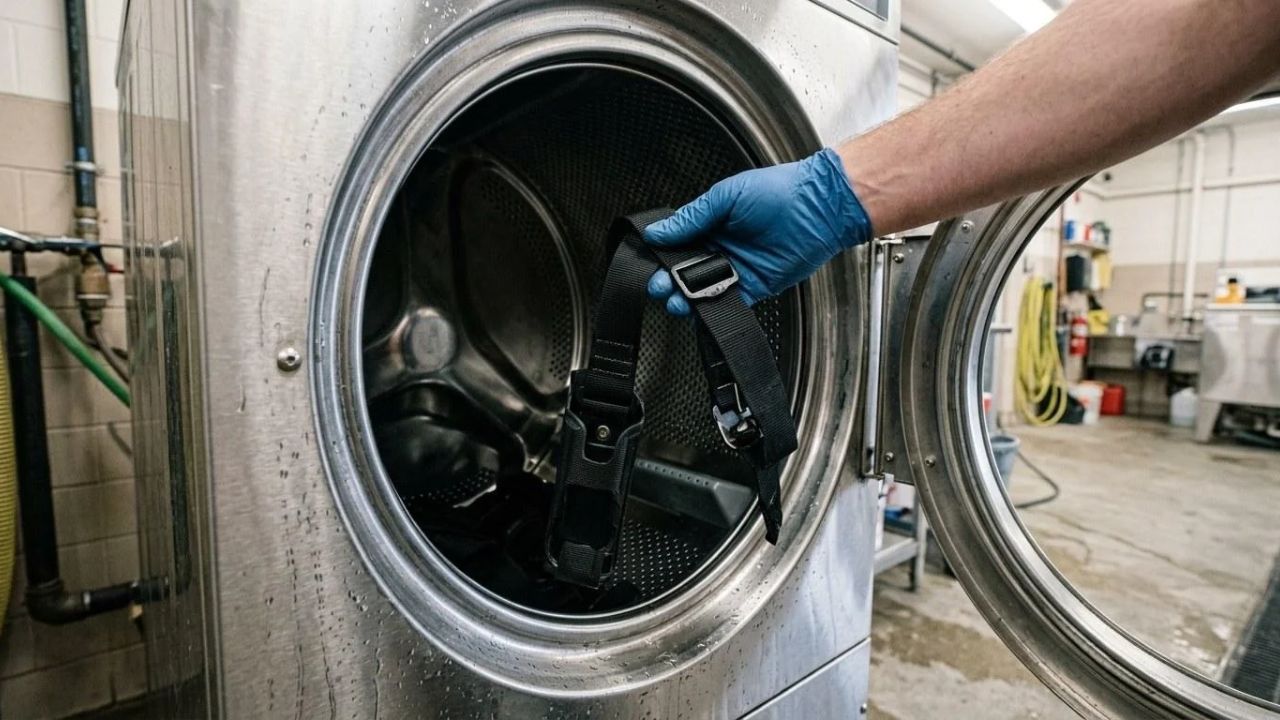
By a firefighter equipment industry contributor. After a tough call, your turnout gear goes straight into a special washing machine, called an extractor, to be decontaminated. Your helmet gets wiped down and your tools get cleaned. But what about the leather radio strap you wear under your coat? For years, that strap has been a symbol of the job. But it can also act like a sponge, soaking up soot, chemicals, and the cancer-causing materials they carry from a fire. The problem is that old materials like leather were never made for today’s cleaning methods.
This gap between tradition and safety is causing a big change in personal gear. Fire departments are now looking closely at every item that goes into a dangerous area to see if it can be cleaned completely. This has led to a new generation of gear. A modern firefighter radio strap kit is now built not just to be tough, but to be deep cleaned in a commercial washing machine. The goal has changed from just carrying a radio to lowering the long-term health risks for the person wearing it.
Quick answer: Traditional leather radio straps can soak up and hold on to dangerous materials from fires. This creates a long-term cancer risk because they cannot be safely machine-washed. Modern straps made from military-grade synthetic nylon are designed to be washed in an extractor, which allows them to be properly cleaned along with other turnout gear.
What’s inside
- Why is gear decontamination so critical now?
- How do traditional materials complicate cleaning?
- What makes a radio strap “decon-ready”?
- What key features separate a durable strap from a disposable one?
- Frequently Asked Questions
- Rethinking a Critical Piece of Fireground Gear
Table of Contents
Why is gear decontamination so critical now?
The focus on cleaning gear has grown because of the clear link between being exposed to cancer-causing substances on the job and higher cancer rates among firefighters.
A modern building fire is a chemical event. Burning plastics, synthetic fabrics, and electronics release a toxic mix of harmful chemicals. These substances, including benzene and formaldehyde, don’t just go away when the smoke clears. They settle as a fine layer of soot on every surface, including helmets, coats, and any equipment carried on the scene. This leftover soot is the main way firefighters are exposed over time.
This dirty gear is a risk long after the fire is out. The main danger comes from harmful materials being absorbed through the skin, which happens faster with heat and sweat. When a piece of gear like a radio strap gets covered in this toxic soot, it acts like a storage container. It constantly exposes the skin underneath and can spread contamination to fire trucks, station living areas, and even homes. Every time you touch it, the exposure starts again, turning a key piece of equipment into a constant health hazard.
The danger isn’t from one big exposure, but from the buildup of hundreds of small ones over a career. This slow collection of toxins is what raises long-term health risks. For decades, the focus was on protecting the lungs during a fire. But now we understand the danger of constant skin contact with dirty gear, and that has changed everything.
❝ A common blind spot for years was “off-gassing.” Gear stored in a car’s trunk can continue to release harmful fumes, dirtying the air in the small space. The rule is simple: if it was on the fireground, it doesn’t belong in your personal space until it’s been properly cleaned.
The size of this job-related hazard is now being measured by major health groups. The evidence clearly shows a direct link between the firefighting profession and higher rates of specific cancers. This data is the reason for new department rules and the push for equipment that can be cleaned effectively.
How do traditional materials complicate cleaning?
The main problem is the material itself. Leather is a natural material with tiny holes that soak up harmful chemicals. It cannot handle the tough cleaning needed to decontaminate it. Traditional leather straps act like a sponge for soot, chemicals, and water from the fireground. When you try to wash them in a high-heat extractor, the same machine used for turnout gear, the heat and soaps strip the natural oils that keep the leather soft and flexible. This causes the leather to crack, get stiff, and eventually break.
This leaves you with a tough choice. You can either get rid of a dirty strap early, or keep using gear that can’t be properly cleaned and poses a constant health risk. Because of this, many departments have treated leather straps as disposable or just wiped them down. A simple wipe-down is not enough to remove tiny, cancer-causing particles. The basic nature of leather just doesn’t work with modern cleaning standards.
❝ When looking at a new strap system, ask the maker for their specific, tested cleaning instructions. They should be able to give you clear rules on water temperature, recommended soaps, and how to dry it. If they don’t have a clear answer, it may mean the product was not fully tested for repeated machine washing.
What makes a radio strap “decon-ready”?
A decon-ready strap is defined by the materials it’s made of and how it’s built. This ensures it can handle being washed in a machine at high heat, over and over, without breaking down. The entire system, from the strap itself to the metal buckles and radio holder, must be built to survive the same cleaning process as your main turnout gear. This means you need to look past the surface and check what the parts are made of.
The main material is usually a synthetic nylon that is non-porous, meaning it doesn’t have tiny holes to absorb liquids. Unlike leather, these man-made fibers don’t soak up harmful materials. Soot and chemicals sit on the surface, so they can be washed away in an extractor. The hardware, like buckles and clips, must be made from materials that won’t rust, such as stainless steel or strong plastics. Standard metal hardware will quickly rust and fail when exposed to strong soaps and the high heat of a commercial washer.
For departments that need to meet federal buying standards, it’s worth checking if a product is Berry Amendment compliant. This rule requires certain items bought by the U.S. military to be 100% sourced and made in the United States. While it’s not a fire service rule, it often means the product has a strong American supply chain and high-quality manufacturing. You can learn more about these requirements from the Department of Defense, which administers the Berry Amendment.
Here is a direct comparison of the materials:
| Feature | Traditional Leather | Decon-Ready Nylon |
| Decontamination | Surface wipe-down only. Cannot be machine washed. | Extractor-washable at high temperatures. |
| Risk from Harmful Chemicals | High. Porous material soaks up and holds chemicals. | Low. Non-porous fibers resist soaking up chemicals. |
| Durability | Breaks down quickly with heat and water exposure. | High resistance to heat, water, and chemicals. |
| Maintenance | Needs regular oiling to prevent cracking. | Minimal. Clean in extractor with other gear. |
In the end, checking a strap system means checking every part. The radio holder and anti-sway strap must be made from the same decon-ready materials as the main strap to create a system where every part can be cleaned.
What key features separate a durable strap from a disposable one?
The long-term strength of a radio strap system depends on its materials and how it’s built, especially at the points that take the most strain. The change from leather to nylon is the most obvious difference. But the specific type of nylon, the stitching, and the hardware are what really decide if a strap will last for years or fail after a few dozen washes.
The foundation of a modern strap is the webbing. Look for materials listed as military-grade or Berry Compliant nylon. This isn’t just a marketing term. It means the material is very strong and resistant to wear and tear. A common problem on cheaper straps is the fraying of edges and the stretching of adjustment holes over time. High-density nylon webbing resists this. The material should feel thick and strong when new, not soft like a simple backpack strap.
How the strap is built at stress points is the next key detail. All connection points, where buckles are attached or the strap loops back on itself, should be secured with bar-tack stitching. This is a series of tight, repeated stitches that creates a reinforced box. It spreads the stress out to prevent the thread from tearing through the webbing under a heavy load. A strap that uses only simple straight stitches at these points is a big warning sign that it won’t last.
❝ Ask a potential seller what kind of thread they use. Standard polyester thread can break down in the high heat of an extractor. For true fire service durability, the stitching should use a heat-resistant thread, like those made from Kevlar or Nomex. These threads keep their strength even after being heated and cooled over and over.
Finally, check the hardware. The clips that attach to your radio holder and turnout gear are always being pulled on and are exposed to things that cause rust. Low-quality, chrome-plated metal will quickly chip, rust, and get stuck, especially after being exposed to water and cleaning chemicals. Look for solid stainless steel or high-impact plastic hardware that won’t warp from heat. These materials are naturally rust-proof and are designed to work well after being heated, soaked, and dropped repeatedly. A system is only as strong as its weakest part, and that is often a cheap metal clip.
Frequently asked questions
What is the primary purpose of a radio strap? Its main job is to keep your portable radio safe and easy to reach. This frees up your hands for other tasks on the fireground. A good fit keeps the radio from being dropped or lost during tough physical work. It also angles the microphone for clear communication without having to unclip the device.
How do I choose the right size for my strap? You should measure for a strap while wearing your full turnout gear, not just a station shirt. Run a tape measure from the front of your hip, over your shoulder, to the same spot on your back. Most makers offer standard and extra-large sizes. Choosing the right one is important for comfort and to keep the strap from getting caught on things.
Are anti-sway straps necessary? Yes, for most fireground work, an anti-sway strap is a very important part. It connects the bottom of your radio holder to your turnout gear or belt. This stops the radio from swinging around when you are crawling, climbing ladders, or moving quickly. This protects the radio from being hit and keeps it from getting caught on objects.
How often should I inspect my radio strap? You should give your strap a quick check after every wash and before each shift. Look for signs of wear like fraying edges, cracked or rusted hardware, and any loose stitching at stress points. Treat it like any other piece of personal protective equipment (PPE) that needs to be checked regularly to make sure it’s safe.
Can an individual firefighter purchase their own strap? Yes, many firefighters buy their own radio straps to upgrade their issued equipment. However, more departments are now buying decon-ready strap systems for all members. This is part of a larger plan to prevent cancer and make sure all firefighters have the same safe gear. Always check your department’s specific PPE policy before carrying your own equipment on an emergency scene.
Rethinking a Critical Piece of Fireground Gear
The conversation about radio straps has completely changed. What was once a simple choice based on convenience or old-school looks is now a serious talk about materials and how they affect your health over time. This piece of equipment is no longer just an accessory. It is a key piece of a firefighter’s protective gear, and it gets dirty with the same dangerous chemicals as turnout gear.
When looking at your options, the most important question has changed from “How does it look?” to “How does it clean?”. The ability to handle repeated, high-heat machine washing without falling apart is the new standard for quality gear. This is what separates a durable, long-term safety tool from a disposable item that can hold on to dangerous, cancer-causing chemicals from one call to the next.
Ultimately, choosing a radio strap system requires the same care as choosing a helmet or a breathing mask. Look past how it looks on the surface and focus on the core parts: non-porous webbing, heat-resistant stitching, and rust-proof hardware. These details decide whether your gear helps with modern cleaning methods or works against them.
About the author
This article is contributed by the team at Homeland Six, a Firefighter and Veteran-owned company founded by Capt. Sean Duncan. Homeland Six designs and manufactures gear designed for specific jobs for first responders, including Berry Compliant, extractor-washable radio strap systems made from military-grade nylon. The company focuses on creating gear that works with modern cleaning methods to reduce long-term health risks for firefighters and EMS personnel. Their work is guided by a mission to serve those who serve.