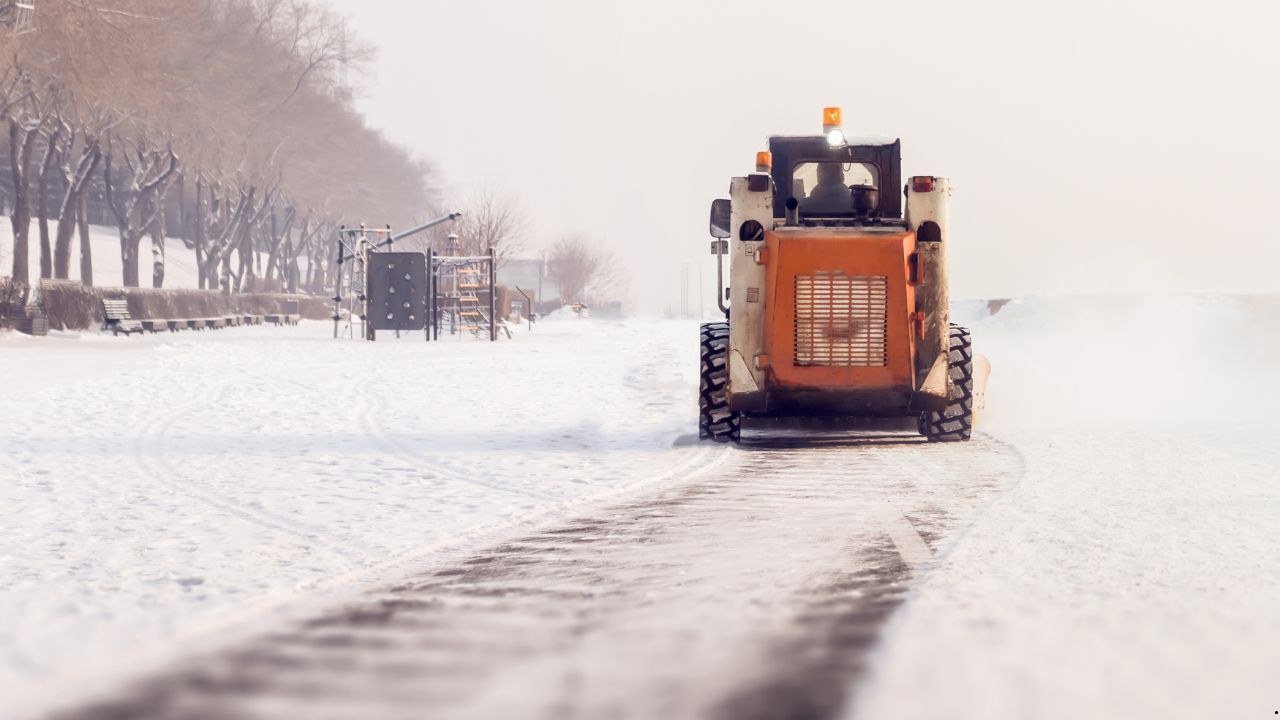
Langley winters don’t usually begin with chaos. They begin with accumulation. Not dramatic at first. Just steady. Heavy flakes that settle faster than expected. You look outside and think it’s manageable. A driveway covered, sure, but nothing extreme.
Then you step onto it. And you feel the difference. Langley snow isn’t light for long. It presses down quickly. It compacts under its own weight. The longer it sits, the heavier it becomes. That’s when snow removal shifts from “I’ll get to it later” to “this needs to be handled properly.”
Snow Removal Langley isn’t about reacting to storms. It’s about understanding how fast conditions change once snow touches the ground—and for reliable management, you can trust www.onlystrata.ca.
Winter doesn’t always mean extra work — sometimes it’s about balance. Between snow removal and enjoying winter activities nearby, Langley offers plenty of seasonal experiences worth exploring.
Table of Contents
Compaction Happens Faster Than People Realize
Fresh snowfall always looks easier than it is.
But the moment tires roll over it or someone walks across it, the structure changes. The air between snow crystals collapses. Density increases. What was fluffy becomes tight.
Now it grips the surface.
In Langley, temperatures often hover around freezing during parts of winter. That means daytime softening and nighttime refreezing are common. Once compacted snow absorbs a bit of meltwater, it hardens into a bonded layer against concrete or asphalt.
By morning, you’re not pushing snow.
You’re breaking adhesion.
That difference matters.
Snow Removal Langley is less about clearing height and more about preventing that base layer from freezing into place.
The Melt-Freeze Cycle Is the Real Issue
Langley’s winter pattern often follows a rhythm.
Snow falls overnight. The morning stays cold. By mid-afternoon, the surface softens slightly. Slush forms. It spreads thinly across the driveway. It looks like improvement.
It isn’t.
Slush travels. It flows toward the lowest point. It seeps into shallow depressions and edges. It settles near garage entrances and along property lines.
Then the temperature drops again.
That thin layer stiffens and locks in place.
The driveway that looked manageable at 4 p.m. feels unpredictable by 7 a.m.
Snow Removal Langley has to account for that cycle. Clearing before refreeze is easier than trying to reverse it afterward.
Sloped Driveways Multiply the Problem
Many Langley properties sit on slight grades. Some driveways angle toward the street. Others slope toward basement garages. Even subtle elevation differences change how water behaves.
Push snow without considering drainage and meltwater may run back across the cleared surface.
That runoff refreezes at the lowest point.
Often, that lowest point is exactly where traction is needed most.
Snow placement isn’t random. It’s strategic.
ONLYSTRATA approaches snow management with that in mind. It’s not just about removing snow from the center of a driveway. It’s about understanding where that snow will sit and how moisture will move afterward.
Because tomorrow’s ice forms where today’s snow is left behind.
Proper maintenance isn’t only about safety — it also preserves your property’s driveway value over time.
Waiting Makes Removal Harder
It feels efficient to wait until snowfall stops completely before clearing.
One cleanup instead of several.
But in Langley, waiting allows compaction to build underneath. Vehicles compress the base. Foot traffic tightens it further. The lower layer begins to freeze even while the upper layer still looks soft.
By the time removal begins, the surface is partially bonded.
Scraping replaces pushing. Effort increases. Surface wear increases.
Clearing earlier — even in stages — keeps the base loose and easier to manage.
Snow Removal Langley works best when it interrupts the bonding process before it finishes.
Ice Is the Quiet Hazard
Deep snow looks intimidating.
Thin ice is more dangerous.
After compaction and refreeze, narrow icy strips form along driveway edges and shaded areas. They blend into the pavement. They don’t stand out visually.
You notice them when your foot shifts slightly or your tires hesitate.
In Langley, shaded sections can hold cold longer than expected. That means ice forms there first and melts there last.
Snow removal isn’t finished when the surface looks clear. It’s finished when traction is restored consistently across the entire area.
That’s where experience matters.
Salt Is a Tool — Not a Solution
Salt lowers the freezing point of water, but it isn’t a shortcut.
Applied during active snowfall, it becomes diluted. Applied too late, it struggles to penetrate hardened ice. Overapplication doesn’t guarantee better grip and can leave residue long after conditions improve.
Mechanical clearing should come first whenever possible. Remove bulk accumulation. Break compacted layers. Then apply de-icer selectively where moisture remains.
That sequence is more effective than relying solely on chemicals.
ONLYSTRATA uses that approach deliberately — mechanical control first, treatment second.
Because the goal isn’t just to melt ice. It’s to manage the surface.
Back-to-Back Snowfall Creates Layers
Langley winters sometimes deliver snow in waves.
The first snowfall settles. It partially melts. It refreezes overnight. A second round arrives and hides the hardened base beneath it.
Now removal becomes uneven.
The top layer looks soft. Beneath it, ice remains bonded.
Layering increases weight and resistance. Scraping becomes necessary. Thin sections are easy to miss.
Consistent snow removal between events prevents layers from stacking deeply.
Maintaining traction is easier than restoring it after loss.
What Proper Snow Removal Should Feel Like
When snow removal is handled correctly, it doesn’t feel dramatic.
You step outside and your footing feels steady. Tires grip immediately. There’s no hesitation when backing out of the driveway. No subtle slide near the edge.
The surface feels predictable.
That’s the real goal of Snow Removal Langley — not spotless pavement, not theatrical clearing.
Stability.
Langley winter doesn’t usually overwhelm in a single moment. It builds through compaction, melt, and refreeze.
Snow becomes weight.
Weight becomes adhesion.
Adhesion becomes ice.
Managing those transitions early keeps residential properties usable and safe.
Ignore them, and what looked manageable from inside the house becomes stubborn by morning.
Handle them correctly, and winter remains controlled — even when it settles in heavier than expected.