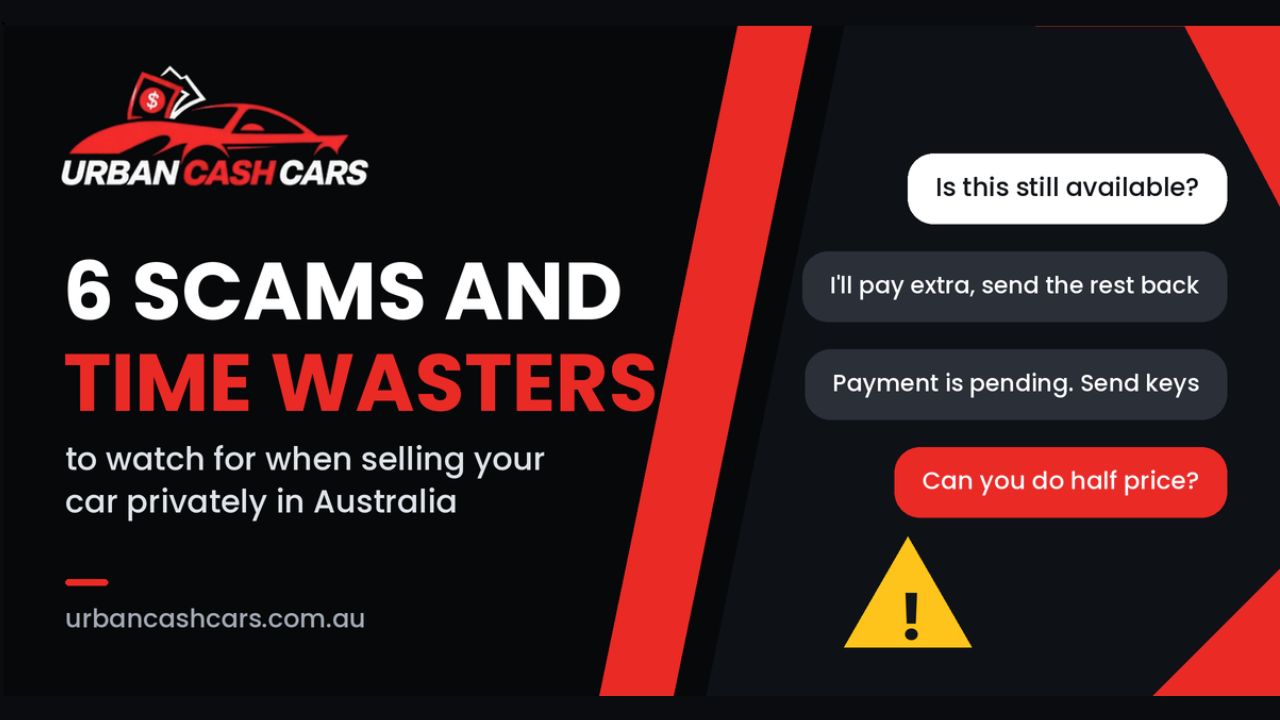
Put a car up on Facebook Marketplace, Gumtree or Carsales and the messages start within the hour. Some are real buyers. A lot aren’t. In 2025, Scamwatch received more than 44,000 reports of buying and selling scams, and Australians lost over $25 million to them. Plenty more people just lost a few weekends to no-shows and lowballers.
None of this means you shouldn’t sell privately. It just helps to know what you’re looking at before the first message lands.
Table of Contents
The Time Wasters
You’ll meet these long before you meet a scammer, and they’re a lot more common.
The first is the buyer who wants to pay without seeing the car. They’ll offer a deposit, ask you to hold it, or say a mate will pick it up next week. Real buyers want to look at a car before they pay for it. Then there’s the person who never gives you a proper name or a number that works, just a profile with no photo. Add the endless messager, who asks the same five questions over three days and keeps moving the test drive, and the lowballer, who offers half your price without seeing a single photo of the inside.
None of them are breaking the law. They’re just costing you time. My rule of thumb is simple: if someone won’t ring you or won’t come and see the car, stop replying.
If that already sounds like more effort than it’s worth, there’s another route. Plenty of owners skip the ads and go straight to used car buyers who make an offer based on the car’s make, model and condition. More on that further down.
The Scams That Actually Catch People Out
The overpayment trick. A buyer offers more than your asking price, then asks you to send the difference back or pay a “shipping agent”. The original payment later bounces or gets reversed. You’ve lost the money you sent, and sometimes the car as well.
Fake proof of payment. A screenshot of a transfer, or a payment that says “pending”. Pending isn’t paid. If it isn’t sitting in your account, the keys stay with you. This one works because most people feel awkward about making someone wait.
Fake fee messages. An email or text that looks like it’s from your bank or a payment service, saying you need to pay a fee or upgrade your account before you can receive the money. You don’t. Receiving a normal bank transfer doesn’t require you to pay anything first.
The test drive stitch-up. Someone takes the car out, comes back and says something has gone badly wrong, sometimes after tampering with it, then offers a fraction of your price to “take the problem off your hands”. Never let a stranger drive it alone.
Fake agents and transport. The buyer is interstate or overseas and wants to use their own escrow service or courier. Until the money is in your account, you shouldn’t be dealing with anyone you don’t know.
Requests for personal details. Bank logins, ID numbers or links to websites you don’t recognise. A real buyer doesn’t need any of it to buy a car.
How to Keep Yourself Safe
You don’t need a long checklist. These six habits cover most of it:
- Ring them first. Two minutes on the phone tells you more than a week of messages.
- Meet somewhere busy and well lit, in daylight, and take someone along. Try not to give out your home address until you’re sure of the buyer.
- Before a test drive, check their driver licence is valid. Take your valuables out, ride along and stick to a short route.
- Wait until the money is actually in your account, and check your own banking app instead of trusting a screenshot.
- Sign a receipt with the price, date, car details and “sold as is”. Each of you keeps a copy.
- Tell your state transport authority about the sale straight away, so fines and tolls aren’t yours later. The process differs between states, so check yours.
When a Private Sale Isn’t Worth It
For a clean, popular car, a private sale can get you a good price. For anything else, it’s often not worth the hassle. An older car, one that doesn’t run, or something with accident damage can sit unsold for weeks, and that’s exactly when the lowballers turn up.
That’s where a specialist buyer makes sense. If you just want to sell your car and be done with it, you ring or fill in a form with the make, model and year, and get an offer based on its condition. If you’re happy with it, the driver picks the car up, sorts the paperwork and pays you on pickup. That’s how Urban Cash Cars works, and pickup is free.
If you’re short on time, plenty of buyers also offer same day car removal, which helps when you’ve got a deadline like a lease ending or a notice to clear the car.
Frequently Asked Questions
How do I know if a buyer is a scammer?
Watch for buyers who won’t view the car, offer more than your asking price, push an unusual way to pay or ask for personal details. If something feels off, trust that feeling and walk away.
Is it safe to accept a bank transfer?
Yes, as long as the money has cleared in your own account. Check your banking app yourself, and never rely on a screenshot or a “pending” message.
Should I let a buyer test drive the car alone?
No. Check their driver licence, ride along and keep the drive short. Take your valuables out of the car first.
What should I do after the sale?
Sign a written receipt, keep a copy and tell your state transport authority about the sale. It’s also worth letting your insurer know once everything is complete.
Where can I report a scam?
Report it to Scamwatch and to your bank. If you’ve lost money or shared bank details, contact your bank straight away. You can also report cybercrime through ReportCyber.
What if I just want to sell my car quickly?
A specialist buyer is usually the fastest way. You get an offer, book a pickup time and get paid, without advertising or dealing with strangers.