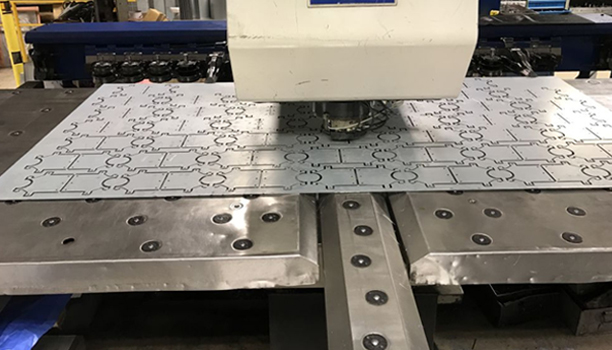
Punch press machines are integral to the metalworking and manufacturing industries, performing tasks such as punching, bending, and shaping metal sheets. While these machines are highly efficient, they also pose significant safety risks if not properly designed and operated. To mitigate these risks, punch press machine manufacturers adhere to stringent safety standards throughout the design, production, and testing processes. These standards ensure that machines are safe for operators while maintaining high levels of performance and reliability.
Table of Contents
Compliance with International Safety Standards
One of the first steps in ensuring safety is compliance with recognized international standards. Manufacturers follow guidelines set by organizations such as the International Organization for Standardization (ISO) and the Occupational Safety and Health Administration (OSHA). These standards cover multiple aspects of machine safety, including emergency stop mechanisms, operator access restrictions, and control system reliability. By designing machines in accordance with these regulations, manufacturers help prevent workplace accidents and reduce the risk of mechanical failures. Many Punch Press Machine Manufacturers implement these standards as part of their quality management systems to guarantee that their equipment meets both national and international safety requirements.
Machine Guarding and Protective Systems
A crucial safety feature in punch press machines is proper guarding to protect operators from moving parts. Manufacturers design and install fixed guards, interlocked doors, and light curtains to prevent accidental contact with the die or ram during operation. Light curtains, for example, create an invisible barrier that stops the machine immediately if interrupted by a hand or body part. These protective systems are tested extensively to ensure they function reliably under real-world conditions, minimizing the risk of injury while allowing operators to perform their tasks efficiently.
Ergonomic Design Considerations
Safety in punch press operations is not limited to mechanical protection—it also includes ergonomic design. Manufacturers focus on creating machines that reduce operator strain and fatigue. Adjustable control panels, properly positioned foot pedals, and easy-to-reach maintenance points are standard features. These design choices reduce repetitive motion injuries and improve overall workplace safety. By considering ergonomics, manufacturers ensure that operators can work longer and more safely, maintaining productivity without compromising well-being.
Emergency Stops and Safety Controls
Emergency stop mechanisms are another critical safety standard followed by punch press manufacturers. These devices allow operators to quickly halt machine operation in case of an unexpected event. Modern punch press machines often include multiple emergency stops located at strategic points around the machine. Additionally, advanced safety controls such as two-hand operation systems require the operator to use both hands simultaneously to initiate a cycle, reducing the risk of accidental activation. These controls are carefully tested to ensure they respond quickly and reliably in emergencies.
Regular Testing and Certification
Safety standards are reinforced through rigorous testing and certification procedures. Before a punch press machine reaches the customer, it undergoes load testing, cycle simulations, and inspection of safety mechanisms. Manufacturers maintain detailed records of these tests to demonstrate compliance with safety regulations. Certifications from recognized safety bodies provide an additional layer of assurance, confirming that the machine meets or exceeds established safety criteria. Regular audits and inspections are also conducted to maintain ongoing compliance throughout the machine’s operational life.
Electrical and Hydraulic Safety
Many punch press machines operate using hydraulic and electrical systems, both of which present potential hazards. Manufacturers implement multiple safety measures to prevent electrical shocks, hydraulic leaks, or pressure-related accidents. Insulated wiring, pressure relief valves, and fail-safe systems are standard safety features. Proper grounding and circuit protection further reduce the risk of electrical faults, while maintenance guidelines help operators handle these systems safely. These precautions ensure that both the machine and the operator are protected during daily operations.
Operator Training and Safety Awareness
Even the most advanced safety features cannot replace proper operator training. Leading punch press manufacturers provide comprehensive training programs that cover machine operation, safety protocols, emergency procedures, and maintenance practices. Training ensures that operators understand potential risks and know how to respond to unexpected situations. By combining robust machine design with skilled operators, manufacturers create a safer work environment and minimize the likelihood of accidents.
Continuous Improvement and Innovation
Safety standards are continually evolving as technology and industry practices advance. Manufacturers invest in research and development to introduce new safety innovations, such as automated monitoring systems, predictive maintenance sensors, and advanced control interfaces. Continuous improvement helps ensure that punch press machines remain compliant with the latest safety regulations while providing reliable and efficient operation.
Conclusion
Safety is a core responsibility for punch press machine manufacturers, encompassing international standards compliance, mechanical guarding, ergonomic design, emergency controls, electrical and hydraulic precautions, operator training, and ongoing innovation. By adhering to these comprehensive safety measures, manufacturers ensure that their machines not only perform efficiently but also provide a secure working environment. These efforts protect operators, reduce workplace incidents, and reinforce the reputation of manufacturers as providers of reliable, safe industrial equipment.