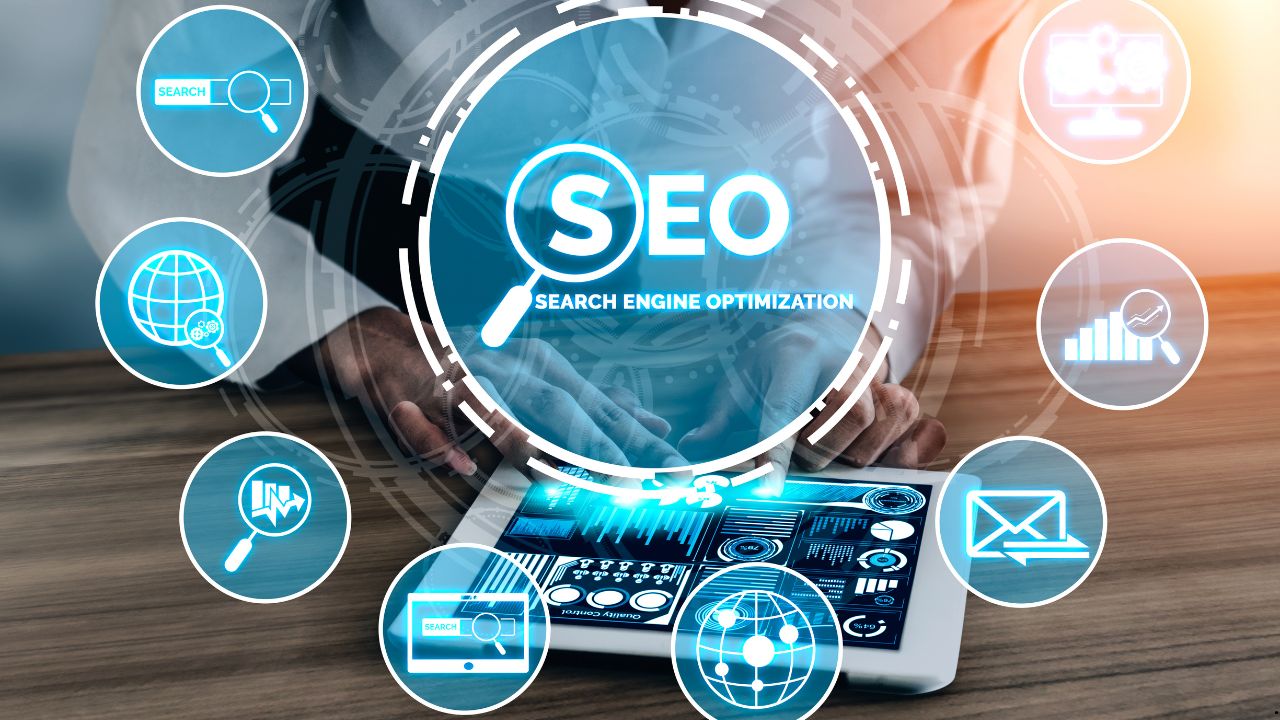
Search engines have changed dramatically over the last decade. What once worked—keyword stuffing, mass link building, and thin content—no longer delivers sustainable results. Today’s search landscape is shaped by user intent, topical authority, technical performance, and trust signals that evolve continuously. Understanding this shift is essential for any business relying on organic visibility.
At its core, SEO is no longer about gaming algorithms. It’s about aligning your digital presence with how real users search, evaluate, and engage with information.
Table of Contents
Search Has Become Intent-Driven, Not Keyword-Driven
Modern search engines focus heavily on why a query is made, not just what words are used. Someone searching for a solution is evaluated differently from someone researching options or comparing providers. Pages that fail to match intent may still rank briefly, but they rarely sustain traffic or conversions.
This is why search performance today depends on structured content, clear topical relevance, and pages built around intent clusters rather than isolated keywords. Successful SEO strategies map content to the entire decision journey, from awareness to action.
Technical Foundations Decide Whether Content Can Compete
Even the strongest content struggles if search engines can’t crawl, index, or understand it properly. Technical SEO now plays a decisive role in rankings, covering areas such as:
- Crawl efficiency and site architecture
- Indexation control and duplicate management
- Page speed and Core Web Vitals
- Structured data and schema clarity
Search engines reward sites that are easy to interpret and maintain. Without technical stability, content efforts often plateau, regardless of quality.
Authority Is Built Through Consistency, Not Volume
Search engines increasingly evaluate expertise and trust across entire domains. Publishing more pages does not automatically increase authority. In fact, poorly aligned content can dilute it.
Authority is built by:
- Covering topics comprehensively
- Interlinking content logically
- Earning relevant, contextual links
- Updating and refining existing pages over time
This is where professional SEO services become critical, as they focus on long-term authority development rather than short-term traffic spikes.
SEO Is a System, Not a Tactic
The most effective SEO strategies function as systems. Content, technical optimisation, internal linking, and performance analysis work together to compound results over time.
When one element is neglected, growth slows.
Businesses that see consistent organic growth typically treat SEO as infrastructure rather than a campaign. They invest in clarity, measurement, and adaptability as search behaviour evolves.
If you’re exploring how structured, intent-led optimisation works in practice, this breakdown of professional seo services explains how modern SEO strategies are built for stability and scale rather than short-term wins.
The Future of Organic Search Is Predictable, Not Volatile
Contrary to popular belief, SEO does not need to be unpredictable. When strategies are grounded in user behaviour, technical accuracy, and content relevance, organic growth becomes measurable and repeatable.
Search engines will continue to change, but the fundamentals remain the same: deliver the best possible answer, in the best possible format, on a platform that search engines can trust.
Businesses that understand this don’t chase rankings. They build visibility that lasts.